4 Chair Exercises That Rebuild Standing Endurance Better Than Walking Programs After 65
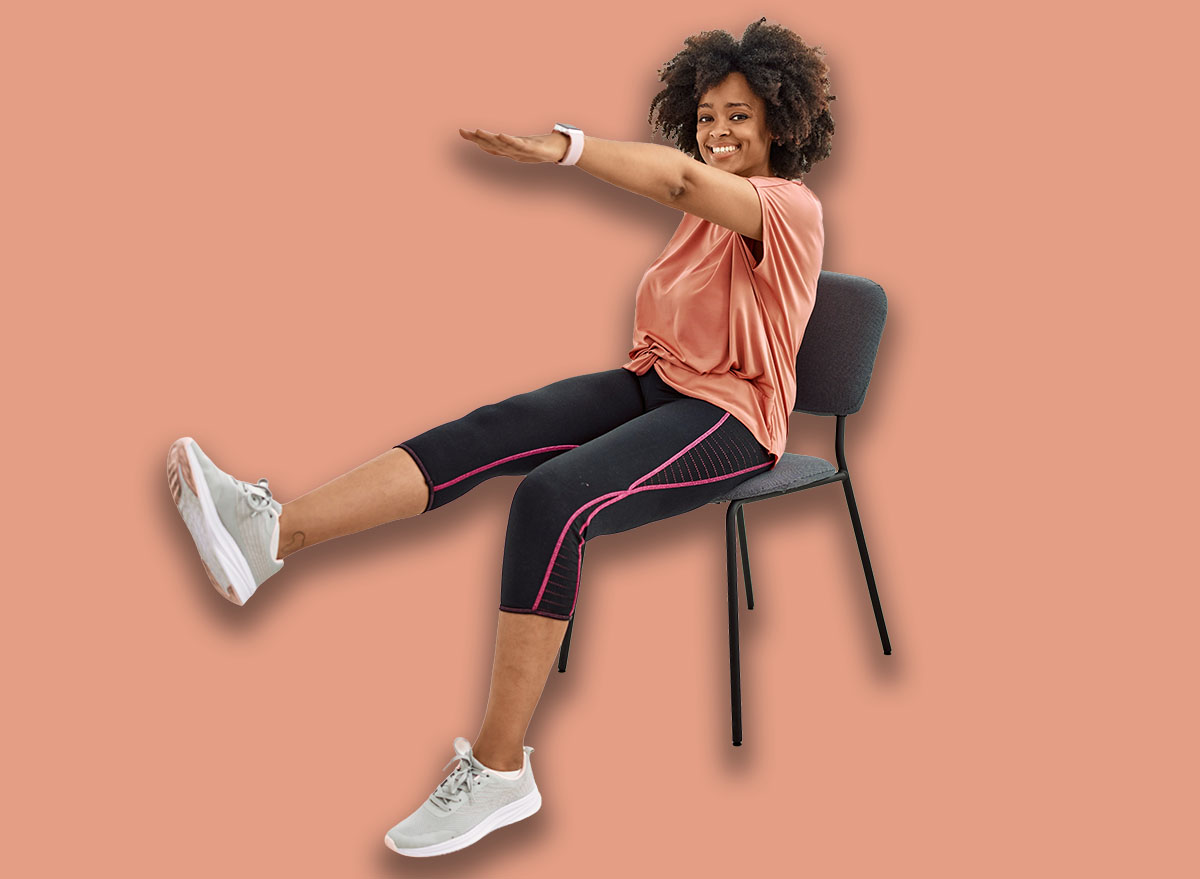

Standing endurance after 65 fades quietly. Most people assume walking programs solve the problem, yet walking alone rarely trains the muscles to hold the body upright for extended periods. When legs tire quickly during cooking, shopping, or standing conversations, the issue usually involves muscular endurance and postural support rather than cardiovascular fitness.
Chair-based exercises rebuild that missing endurance by keeping muscles under continuous, low-level tension without balance risk. Unlike walking, which cycles effort on and off with each step, seated endurance drills teach the legs and hips to sustain effort. That ability determines how long someone stands comfortably far more than step count.
These four chair exercises target endurance through long holds, slow transitions, and repeated activation. Each uses movements commonly demonstrated in physical therapy and senior fitness programs, making video demonstrations easy to find and follow.
Seated Long-Arc Quad Hold
Standing endurance relies heavily on quadriceps stamina. When the quads fatigue, standing posture collapses and weight shifts constantly. This long-arc hold rebuilds endurance by forcing the thigh muscle to stay contracted without joint impact. Holding the leg straight teaches the muscle to maintain tension over time, closely mimicking the demands of standing.
Unlike quick reps, the sustained hold conditions slow-twitch muscle fibers responsible for endurance. This drill remains a staple in rehabilitation and senior fitness programs, making instructional videos easy to locate.
How to Do It
- Sit tall near the front of a chair
- Extend one leg fully
- Hold for time without locking the knee
- Lower slowly and switch sides.
Seated Alternating Knee Lift March
This movement rebuilds endurance through repeated hip flexion while maintaining upright posture. Standing endurance depends on the ability to shift weight and stabilize the trunk repeatedly, which this seated march trains safely. Each lift challenges the legs while the core supports the torso.
The alternating rhythm keeps muscles engaged continuously rather than allowing full rest between reps. This exercise appears in countless chair-fitness and physical therapy videos, making it highly accessible for readers.
How to Do It
- Sit upright with feet flat
- Lift one knee slowly
- Lower with control
- Alternate without leaning back.
Seated Wall Sit Press
This endurance drill teaches the legs to push and hold without movement. Pressing the feet into the floor activates the quadriceps and glutes simultaneously, recreating the muscular demand of standing still. The lack of motion keeps tension constant, which walking rarely achieves.
Isometric presses improve fatigue resistance and joint stability. This exercise frequently appears in senior strength and rehab videos, making it easy for readers to find visual guidance.
How to Do It
- Sit tall with feet planted
- Press feet firmly into the floor
- Hold tension while breathing
- Relax briefly and repeat.
Seated Heel Lift Endurance Raise
Standing endurance collapses quickly when calf muscles fatigue. These muscles support balance, posture, and circulation during prolonged standing. Seated heel lifts rebuild calf endurance by forcing repeated contraction against body weight.
Slow tempo and brief pauses increase time under tension, training the calves to stay active longer. This exercise appears widely in senior mobility and circulation routines, making demonstrations easy to find.
How to Do It
- Sit tall with feet flat
- Lift heels slowly
- Pause briefly at the top
- Lower under control.