5 Daily Moves That Keep You Stronger Than Most 40-Year-Olds After 60
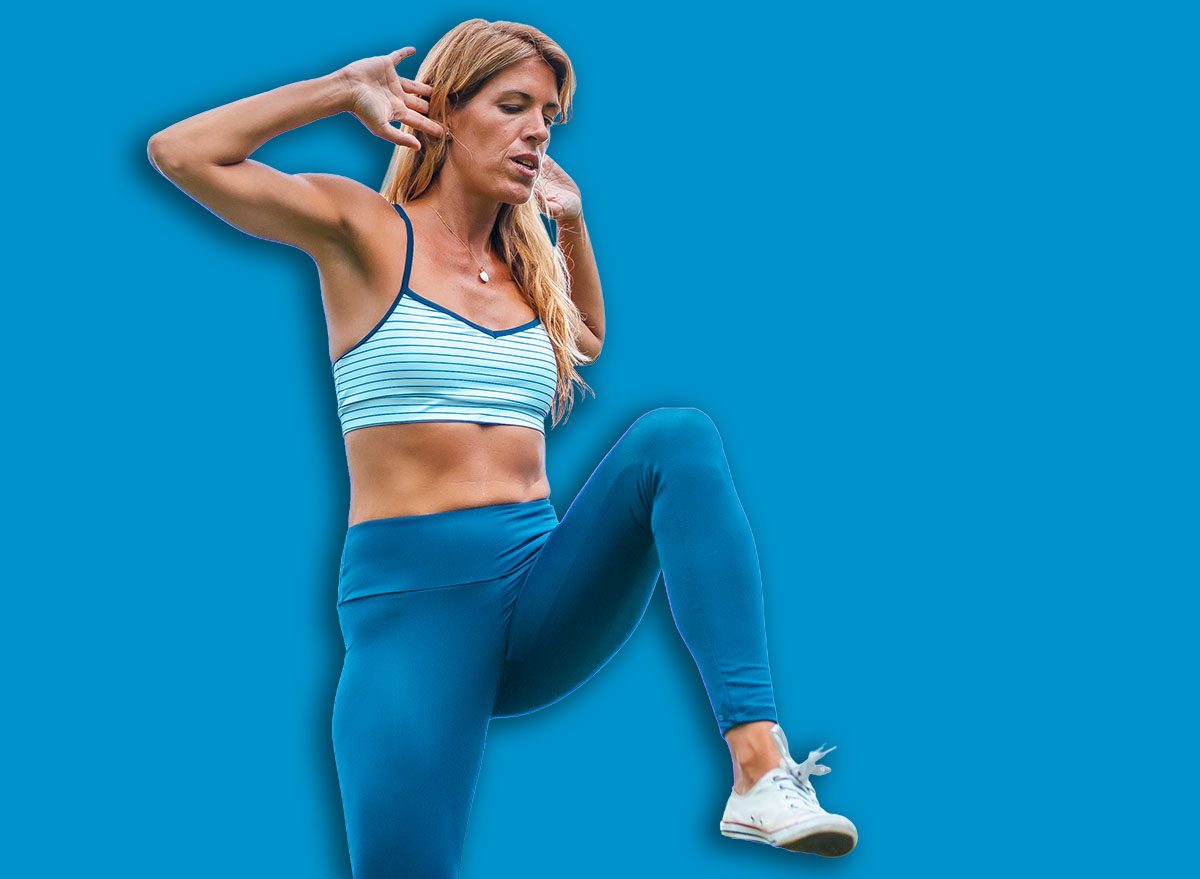

Strength after 60 has very little to do with your age and everything to do with how you move each day. I’ve trained people in their 60s and 70s who outperform adults twenty years younger because they’ve never stopped challenging their bodies. They don’t rely on complicated workout programs or expensive equipment. Instead, they consistently perform the movements that preserve muscle, improve mobility, and keep them capable in everyday life.
Many people believe strength naturally disappears with age, but that’s only part of the story. The bigger factor involves how often your muscles receive a reason to stay strong. Functional exercises that recruit multiple muscle groups send that message far more effectively than isolated machine workouts. They also improve balance, coordination, posture, and endurance, creating a body that feels younger because it moves better.
I’ve spent years coaching adults over 60, and the strongest clients almost always share one habit: they make movement a daily priority. These five exercises strengthen your entire body while reinforcing the skills you’ll use every time you stand, walk, lift, push, or carry something. Perform them consistently, and you’ll develop the kind of practical strength that rivals people decades younger.
Sit-to-Stand
If I wanted to judge someone’s lower-body strength in less than a minute, I’d ask them to perform sit-to-stands. Every repetition strengthens the quadriceps, glutes, hamstrings, and core while reinforcing one of the most common movements of daily life. I recommend slowing down the lowering phase because controlling your descent builds just as much strength as standing up. Clients who master this exercise often notice climbing stairs, getting out of low chairs, and standing for longer periods become much easier. Few exercises deliver as much functional value with so little equipment.
How to Do It
- Sit near the front of a sturdy chair.
- Place your feet shoulder-width apart.
- Lean your torso forward slightly.
- Press through your heels to stand.
- Lower yourself with control.
- Perform 12 to 15 repetitions.
Resistance Band Rows
Strong posture often separates active older adults from those who struggle with everyday movement. Resistance band rows strengthen the upper back, rear shoulders, and biceps while helping reverse the rounded posture that develops after years of sitting. I include this exercise in nearly every program because pulling strength supports healthier shoulders and better overall movement. Clients frequently tell me they stand taller and experience less neck tension after adding rows to their routine. Strong backs make strong bodies.
How to Do It
- Anchor a resistance band in front of you.
- Hold one handle in each hand.
- Stand tall.
- Pull your elbows backward.
- Squeeze your shoulder blades together.
- Complete 12 to 15 repetitions.
Standing Hip Hinge
One of the most valuable movement patterns you can preserve after 60 involves learning to bend correctly. Standing hip hinges strengthen the glutes, hamstrings, and lower back while teaching your hips to generate movement instead of your spine. I often tell clients this exercise pays dividends every time they pick something up from the floor. As the hips become stronger, everyday lifting feels easier and the lower back experiences far less strain. Proper movement mechanics matter just as much as muscle strength.
How to Do It
- Stand with your feet hip-width apart.
- Place your hands on your hips.
- Push your hips backward.
- Keep your back flat.
- Return to standing by driving your hips forward.
- Perform 12 repetitions.
Standing Knee Drives
Walking confidently requires much more than strong legs. Standing knee drives strengthen the hip flexors, core, glutes, and supporting leg while improving balance and coordination at the same time. I frequently prescribe this movement because it closely mirrors the mechanics of walking without requiring much space or equipment. Clients often report feeling more stable and energetic after practicing knee drives regularly. Better walking mechanics support nearly every aspect of healthy aging.
How to Do It
- Stand tall.
- Lift one knee toward your chest.
- Pause briefly.
- Lower slowly.
- Alternate sides.
- Continue for 45 to 60 seconds.
Farmer’s Carry
I always like ending daily routines with an exercise that challenges the entire body. Farmer’s carries strengthen the grip, forearms, shoulders, core, hips, and legs while reinforcing upright posture during movement. Carrying weight while walking closely resembles many everyday tasks, making the strength you build immediately useful. Clients often tell me groceries, luggage, yard work, and household chores become noticeably easier after adding carries to their routine. If you’re looking for one movement that builds practical strength from head to toe, this one belongs near the top of the list.
How to Do It
- Hold a dumbbell or kettlebell in each hand.
- Stand tall with your shoulders back.
- Tighten your core.
- Walk with slow, controlled steps.
- Maintain good posture.
- Continue for 30 to 60 seconds.