If You Can Complete These 3 Hip Movements Without Stopping at 55, Your Mobility Is Exceptional

I’ve been in the fitness industry for 40 years and have run TRAINFITNESS, the UK’s leading fitness education company, for the past 20. I’ve had the pleasure of working with a huge number of older adults in my career, and a common issue that shows up again and again is a lack of mobility in the hips. This is something that won’t go away by itself and can really impact quality of life. Fortunately, it’s something that can be addressed easily and that you can see progress on very quickly. These three simple tests will tell you exactly where your hip mobility stands and what you need to work on.
Why Hip Mobility Changes After 55

After working with thousands of people around that age, I’ve seen hip mobility decline time and again in ways that directly impact someone’s independence. Our hips don’t just move our legs. They’re the foundation for almost every movement we make during the day.
Three things happen to our hips after 55 which make them different to the hips of a younger person:
The tissue surrounding the hip joint (known as the joint capsule) starts to thicken and get tighter. It happens slowly but it’s the main reason behind issues like struggling to tie shoelaces or getting in and out of the car.
Our hip flexors get shorter over decades of sitting and by the time we pass 55 they start to actively resist lengthening.
The muscles around the hips lose coordination, forgetting how to work together smoothly.
Here’s what this looks like in real life. You start avoiding low chairs because getting up feels awkward. You step over things instead of stepping around them. You turn your whole body instead of just rotating at the hips. You might not even notice you’re doing these things until someone points it out or until you try to do something you used to do easily.
The bigger issue is what happens when hip mobility goes. Your lower back starts compensating for movements your hips should handle. Your knees take on stress they weren’t built for. Your balance suffers because your hips can’t make the small adjustments needed to keep you stable. I’ve seen people develop chronic back pain, knee problems, and balance issues that all trace back to tight hips.
Good hip mobility after 55 means you can still do the things that keep you independent. Getting in and out of the car without that awkward shuffle. Bending down to pick something up without bracing yourself. Walking without that slight limp that creeps in. Climbing stairs without your hips feeling like they’re fighting you every step.
The Hip Hinge
This tests your hip’s ability to flex properly while keeping your spine neutral. It’s the movement pattern you need for bending down safely, whether you’re picking up shopping, tying your shoes, or getting something from a low shelf.
Muscles Tested: Hip flexors, glutes, hamstrings, core stabilizers
How to Do It:
- Stand with your feet hip-width apart, hands on your thighs.
- Keep your back straight and push your hips backwards as if you’re trying to close a car door with your bottom.
- Your knees will bend slightly but that’s not where the movement comes from.
- Continue pushing your hips back until your hands slide down to just below your knees.
- Your back should stay flat the whole time, no rounding.
- Come back up by pushing your hips forward, squeezing your glutes at the top.
What Counts as Completing It:
One smooth movement down and back up. No pausing halfway. No grabbing onto anything for support. No adjusting your feet. The movement should feel controlled in both directions.
Avoid These Mistakes:
- Rounding your back as you go down. Your spine should stay in the same position from start to finish. The movement happens at your hips, not your lower back.
- Bending at the knees first instead of pushing the hips back. If your knees move forward over your toes, you’re doing a squat, not a hinge.
- Rushing through it or using momentum to get back up instead of using your hip and glute muscles.
The 90/90 Sit
This tests both internal and external rotation of your hips at the same time. It shows whether your hip joint itself has stayed mobile and whether the muscles around it can still access their full range. You need this kind of rotation to walk properly, change direction, and move around obstacles.
Muscles Tested: Hip internal and external rotators, glutes, adductors
How to Do It:
- Sit on the floor with both legs bent at 90 degrees.
- Your right leg should be in front of you with your knee pointing to the right and your foot pointing forward.
- Your left leg should be behind and to the left with your knee pointing back and your foot pointing left.
- Both knees and both ankles should form right angles.
- Sit up tall. This isn’t about how far you can lean forward, it’s about whether you can get into this position at all.
- Hold for 5 seconds, then switch sides.
What Counts as Completing It:
Getting both hips into position with both sitting bones on the floor. Your torso should be upright without leaning heavily to one side. You should be able to sit there comfortably enough to hold a conversation. The switch to the other side should be smooth and controlled.
Avoid These Mistakes:
- Lifting one hip off the floor to compensate for tight joints.
- Leaning heavily to one side.
- Letting your back round.
- Not getting both knees to 90 degrees. If your front knee is pointing up towards the ceiling instead of out to the side, your hip isn’t rotating.
- Note if you struggle more on one side than the other. That shows an imbalance worth addressing.
Single Leg Balance With Hip Movement
This tests whether your hip stabilizer muscles are still doing their job. These small muscles around your hip joint keep you steady when you’re standing on one leg, which you do every time you walk, climb stairs, or step over something.
Muscles Tested: Hip stabilizers (gluteus medius, gluteus minimus), core
How to Do It:
- Stand on your right leg with your left foot just off the ground.
- Keep your standing leg fairly straight but not locked.
- Slowly swing your left leg forward, then back behind you, then out to the side.
- The movement should come from your hip, not from twisting your body.
- Your standing leg should stay in the same position and your hips should stay level. Don’t let them tilt.
- Do 5 controlled swings in each direction, then switch legs.
What Counts as Completing It:
5 smooth swings in each direction without putting your foot down, without hopping, and without your upper body swaying around to keep balance. Your standing hip should stay steady throughout.
Avoid These Mistakes:
- Letting your hip collapse on the standing leg. You’ll see this as the hip dropping on the side of the moving leg.
- Using momentum to swing the leg instead of controlling it with your hip muscles.
- Twisting your upper body or bending at the waist instead of moving from the hip.
- If you’re wobbling so much that you can’t complete 5 swings without touching down, that’s telling you something important about your hip stability.RELATED: 6 Standing Exercises That Smooth Arm Jiggle Faster Than Tricep Workouts After 55
What Your Results Mean

If you can do all three tests smoothly, your hips are working better than most people your age. You’ve maintained the range of motion, strength, and control that keeps you moving well. This usually means you’re at lower risk for falls, back pain, and the gradual loss of independence that comes from movement limitations. It doesn’t mean you’re done working on your hips, but it means you’ve got a solid foundation to build on.
If you can only do one or two, you’ve found exactly where you need to focus. The test you failed tells you what’s limiting you.
Can’t do the hinge? Your hip flexion is restricted and you’re probably compensating with your lower back for bending movements.
Can’t do the 90/90 sit? Your hip rotation has declined and you’re likely putting extra stress on your knees and lower back when you walk or change direction.
Can’t do the single leg balance? Your hip stabilizers have weakened and you’re at higher risk for falls.
Here’s what I tell people: failing these tests isn’t a life sentence. It’s information. I’ve worked with people in their 70s who couldn’t do any of these tests when they started and can do all three six months later. Your hips respond to the right kind of work regardless of your age. The question is whether you’re going to do something about it or just accept the limitations.
The pattern I see most often is people who can do one or two but struggle with rotation (the 90/90 sit). That’s usually the first thing to go and the last thing people think to work on. If that’s you, you’re in good company, but you need to start addressing it before it starts affecting everything else.
How Often to Practice
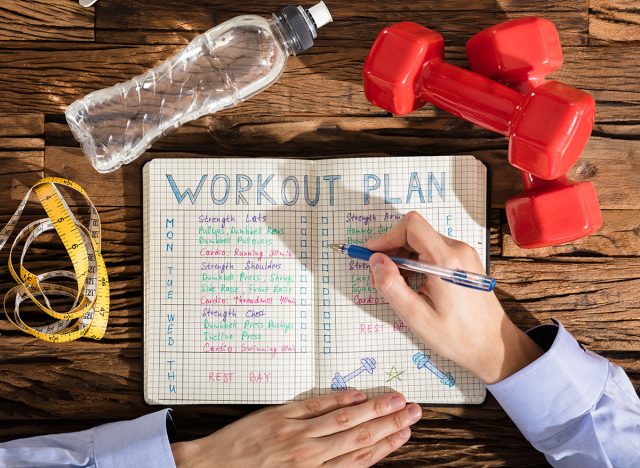
Daily practice works best, but it’s not as demanding as you might think. These movements aren’t exercises you need to do until you’re tired. They’re movement patterns you’re teaching your body to remember. Five minutes a day will get you further than an hour once a week.
Start by doing each test movement 3-5 times every morning. Not as a workout, just as a way of checking in with your hips and keeping them mobile. Your body is stiffest in the morning, so that’s actually the best time to work on mobility. You’re not trying to set records. You’re just moving through the ranges your hips should be able to access.
After about two weeks of daily practice, you’ll notice the movements starting to feel easier. Your hips will move more freely. You’ll be able to get into positions that felt impossible at first. This is your nervous system remembering how to control these movements and your tissues starting to adapt.
By four to six weeks, you should see measurable improvement in whichever test gave you trouble. If you couldn’t do the 90/90 sit at all, you should be able to get into position with both hips on the floor. If you wobbled through the single leg balance, you should be steady. If the hip hinge felt awkward, it should start to feel natural.
The key is consistency over intensity. Doing these movements for five minutes every single day beats doing an hour of hip work twice a week. Your body adapts to what you do regularly, not what you do intensely and then forget about for days.
One more thing: if you’re not seeing improvement after six weeks of daily practice, that’s when you should talk to someone who can watch you move and spot what’s holding you back. Sometimes it’s technique, sometimes it’s a compensation pattern you’ve developed, and sometimes it’s an issue that needs professional attention. But most people will see clear progress just from consistent daily practice of these three movements.