5 Daily Exercises That Restore Leg Muscle Faster Than Weight Training After 55
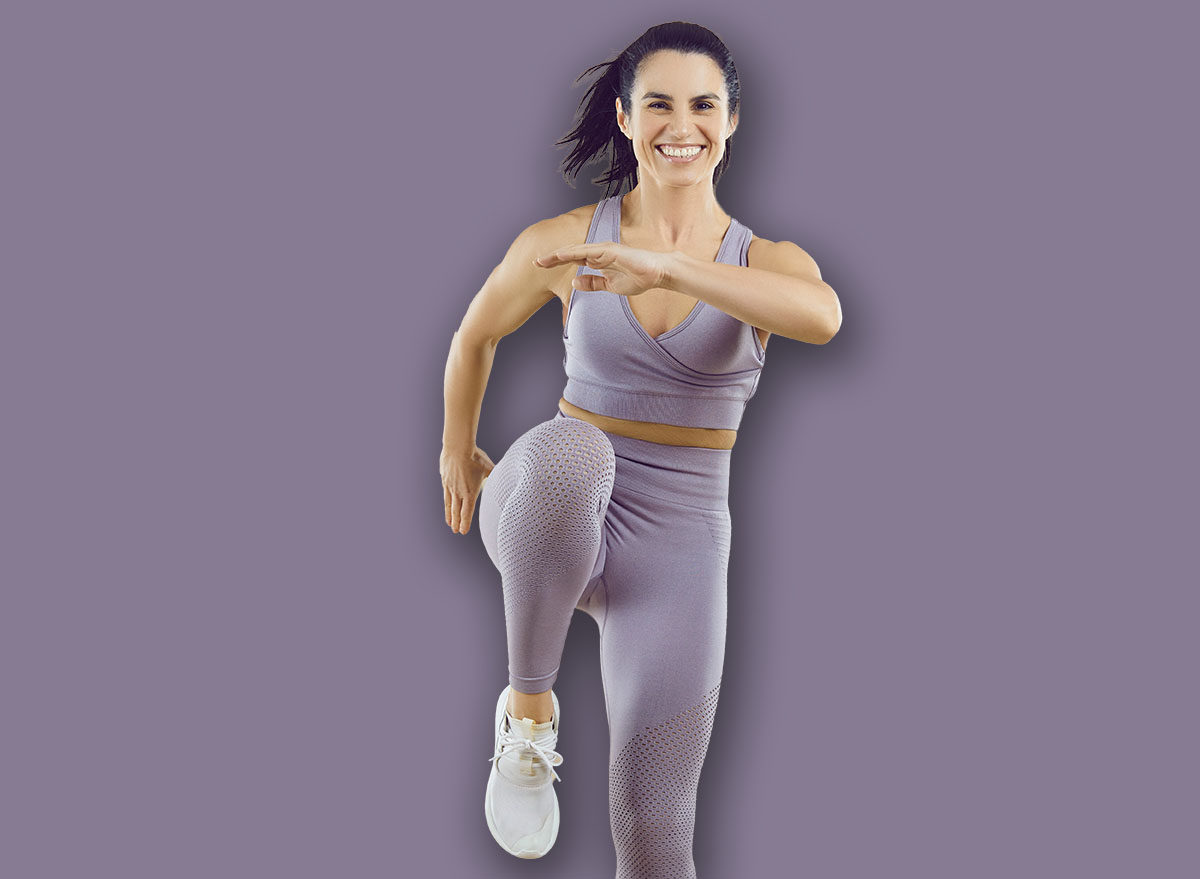

Leg muscle loss after 55 rarely comes from lack of effort. It usually stems from recovery failure. Traditional weight training stresses muscle tissue, yet aging bodies often struggle to rebound fast enough to grow stronger from that stress. The result looks like stalled progress, lingering soreness, and legs that feel weaker despite regular workouts.
Daily leg restoration works differently. Instead of chasing fatigue, these exercises improve circulation, neuromuscular activation, and posture-driven strength. When muscles receive consistent signals without overload, they rebuild faster and perform better throughout the day. This approach mirrors how physical therapy restores leg strength after periods of decline.
These five exercises rebuild leg muscle by emphasizing controlled tension, alignment, and repeated activation. Each movement appears widely in physical therapy, mobility, and senior fitness videos, making them easy for readers to search and follow.
RELATED: If You Can Do This Many Pushups After 50, Your Arm Strength Is Top 10%
Sit-to-Stand From Chair
Few movements rebuild leg muscle as effectively as standing up repeatedly under control. This exercise trains the quads, glutes, and hips in the exact pattern required for daily independence. Slow tempo increases muscle engagement without joint strain, making it ideal for daily use.
Unlike weighted squats, this movement restores strength through repetition and coordination rather than load. It appears in nearly every senior strength and rehab program, making video demonstrations easy to find.
How to Do It
- Sit near the front of a chair
- Press through heels to stand
- Lower slowly back down
- Repeat with control.
Standing Heel Raise With Pause
Calf muscles recover quickly when trained daily, yet they lose strength rapidly when neglected. These muscles support walking, balance, and posture, making them essential for overall leg strength. Pauses at the top increase time under tension and stimulate muscle restoration.
This exercise improves circulation through the lower legs, supporting faster recovery. It appears widely in balance, rehab, and senior fitness videos.
How to Do It
- Stand tall holding support if needed
- Lift heels slowly
- Pause briefly at the top
- Lower under control.
Standing Hamstring Hinge
Hamstrings weaken when daily movement becomes too upright and rigid. This hinge restores posterior leg strength by teaching the hips to move independently from the spine. The hamstrings and glutes activate together, rebuilding muscle without spinal stress.
Daily hinge work improves walking mechanics and reduces compensations that accelerate muscle loss. This movement appears frequently in mobility and strength videos for adults over 50.
How to Do It
- Stand with feet hip-width
- Push hips back slightly
- Maintain a tall chest
- Return upright smoothly.
Supported Reverse Step-Back
Reverse stepping strengthens the legs while reducing knee stress compared to forward lunges. Holding light support allows focus on muscle engagement rather than balance. The glutes and quads work together to control both descent and return.
This exercise restores strength asymmetries that develop with age. It appears widely in physical therapy and functional fitness videos.
How to Do It
- Stand holding a chair or counter
- Step one foot backward
- Lower gently into the step
- Return and switch sides.
Standing March Hold
Muscle restoration depends on the nervous system’s ability to keep muscles active without fatigue. Holding a lifted knee trains endurance in the hip flexors, quads, and stabilizers simultaneously. This improves leg strength that carries over into walking and standing tasks.
Slow holds rebuild strength without soreness, making this exercise ideal for daily practice. It appears widely in balance and senior mobility videos.
How to Do It
- Stand tall with hands on hips
- Lift one knee
- Hold briefly with control
- Lower and alternate.