4 Morning Exercises That Restore Shoulder Strength Faster Than Gym Machines After 60
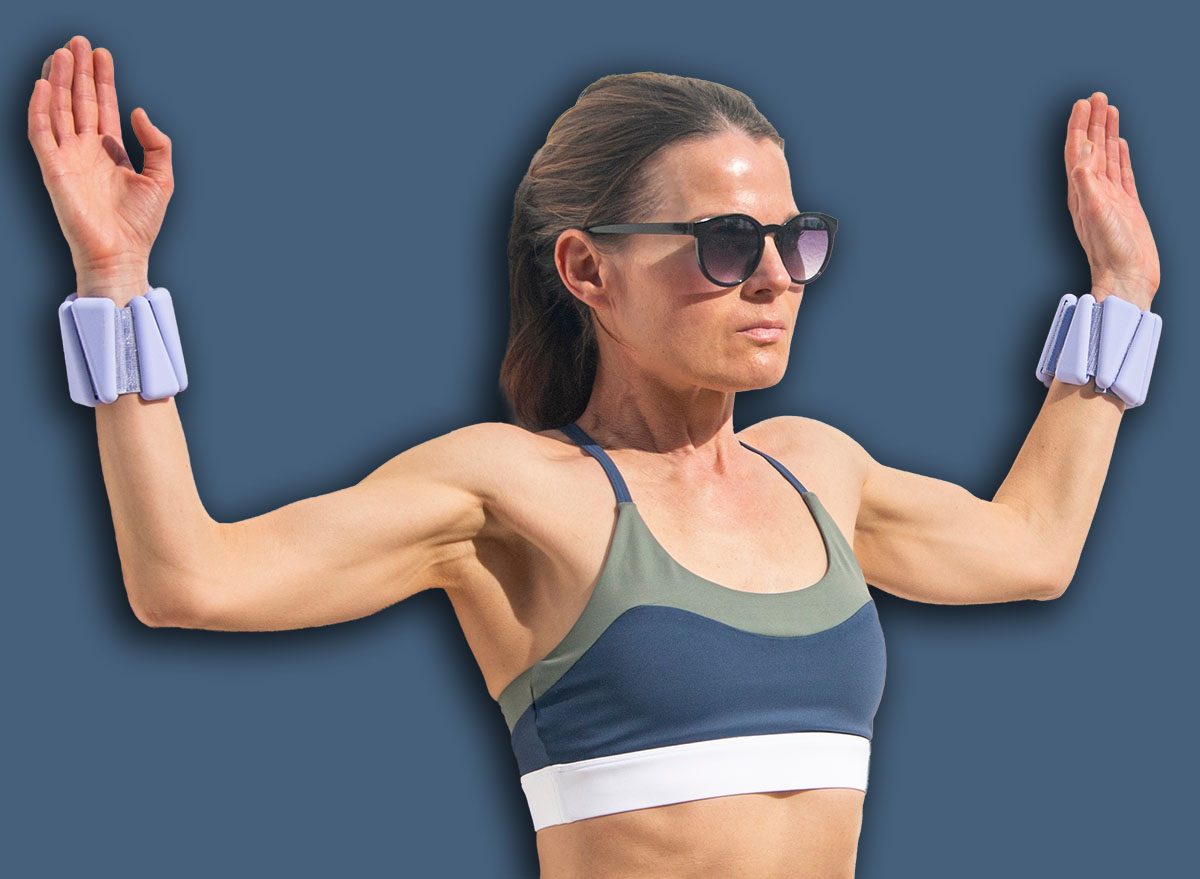

Shoulder weakness changes the way the entire upper body moves after 60. Reaching overhead, carrying groceries, pushing open doors, and even getting dressed start feeling harder when the shoulders lose strength and mobility. Many adults turn to gym machines hoping to rebuild that lost power, but machines often lock the body into stiff movement patterns that fail to improve natural shoulder function. Real shoulder strength depends on controlled movement, stability, posture, and muscular coordination working together.
Morning exercise works especially well because the shoulders tend to stiffen overnight. Gentle movement early in the day increases circulation, wakes up supporting muscles, and restores a smoother range of motion before stiffness settles deeper into the joints. Bodyweight and light mobility exercises also strengthen the shoulders without forcing heavy compression through aging joints. That approach allows adults over 60 to rebuild strength safely while improving daily movement quality at the same time.
The four exercises below target the shoulders from multiple angles while improving posture, upper-back activation, and joint control. Each movement strengthens the muscles that support healthy shoulder mechanics instead of isolating one small area through fixed machine paths. Practice them consistently in the morning, and your shoulders will start feeling stronger, looser, and more dependable throughout the day.
Wall Angels
Wall angels restore posture and shoulder strength at the same time. Many adults over 60 develop rounded shoulders from years of sitting, driving, and looking downward during daily activities. That forward posture weakens the upper back and limits healthy shoulder movement. Wall angels reverse that pattern by strengthening the muscles that pull the shoulders back while improving mobility through the upper spine and shoulder joints. The controlled sliding motion forces the shoulders to move smoothly without relying on momentum or heavy resistance. Over time, this exercise improves overhead reaching strength and reduces stiffness that builds through the chest and upper back.
How to Do It
- Stand with your back against a wall
- Press your head, upper back, and hips gently into the wall
- Raise your arms into a goalpost position
- Keep your elbows and wrists near the wall
- Slowly slide your arms upward
- Pause briefly at the top
- Lower with control
- Perform 10 to 12 repetitions.
Standing Arm Circles
Arm circles strengthen the shoulders through continuous controlled movement instead of isolated pushing or pulling. This exercise improves blood flow, shoulder endurance, and joint lubrication while activating the muscles surrounding the rotator cuff. Many gym machines create tension only through limited ranges, but arm circles challenge stability from multiple directions simultaneously. Adults over 60 often notice reduced stiffness and easier reaching after performing this drill consistently in the morning. The movement also improves posture because the upper back and shoulder stabilizers stay engaged throughout every repetition. Small circles performed with control create much greater muscular activation than fast swinging motions.
How to Do It
- Stand tall with feet shoulder-width apart
- Extend your arms out to the sides
- Keep your shoulders relaxed
- Make small forward circles
- Continue moving under control
- Reverse the direction after several seconds
- Maintain steady breathing
- Perform 20 to 30 seconds in each direction.
Seated Shoulder Press Reach
This exercise strengthens the shoulders while improving overhead mobility and posture. Many adults lose confidence lifting their arms overhead because their shoulders weaken and stiffen over time. The seated position provides stability while allowing the upper body to focus entirely on controlled pressing movement. Unlike gym machines that guide the shoulders through fixed tracks, this exercise forces the stabilizing muscles to stay active throughout the motion. The reaching component also encourages fuller shoulder mobility while strengthening the upper back and arms together. Performed consistently, seated shoulder press reaches improve everyday tasks like reaching cabinets, lifting bags, and putting away household items.
How to Do It
- Sit tall in a sturdy chair
- Bend your elbows at shoulder height
- Tighten your core gently
- Press your arms overhead slowly
- Reach upward at the top
- Lower with control
- Keep your chest lifted throughout
- Complete 10 to 12 repetitions
Shoulder Blade Squeezes
Strong shoulders depend heavily on strong upper-back muscles. Many people focus only on the front of the shoulders while ignoring the muscles that stabilize the shoulder blades. Shoulder blade squeezes strengthen those critical postural muscles while improving alignment and reducing strain through the neck and shoulders. This exercise teaches the upper body to move from a stronger position instead of collapsing forward during daily activity. Adults over 60 often feel immediate relief from upper-body stiffness after practicing controlled scapular movement consistently. Better shoulder blade control also improves strength during pushing, pulling, and reaching motions throughout the day.
How to Do It
- Sit or stand tall
- Relax your shoulders downward
- Pull your shoulder blades backward slowly
- Imagine squeezing a pencil between them
- Hold for 2 to 3 seconds
- Release with control
- Avoid shrugging your shoulders upward
- Perform 12 to 15 repetitions.