If You Can Do This Many Push-Ups After 55, Your Upper Body Is Stronger Than 80% of Peers
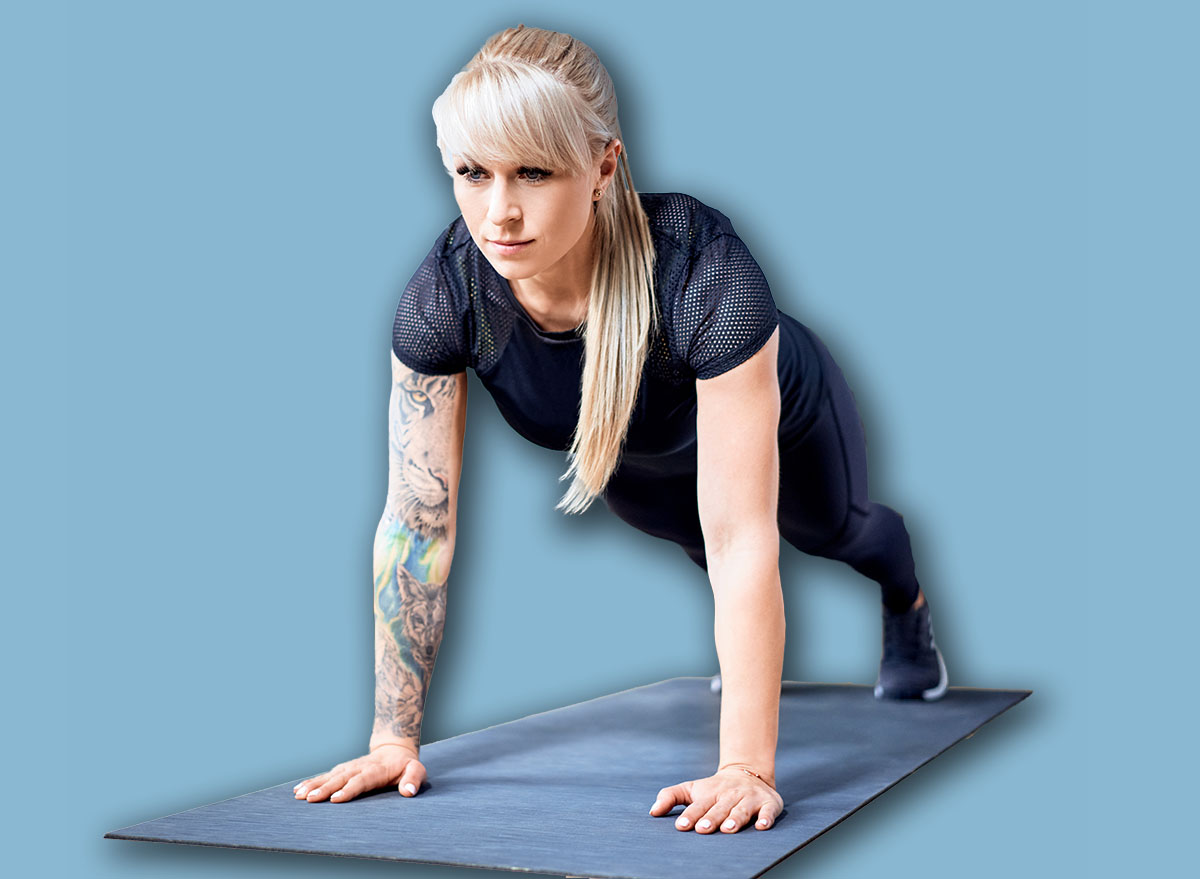

Upper body strength shapes how well you handle the physical demands of daily life after 55. It supports pushing yourself up from the floor, carrying heavy objects, stabilizing your shoulders, and protecting your joints during sudden movements. When upper-body strength remains high, posture improves, aches decrease, and confidence follows.
Push-ups remain one of the most reliable ways to assess that strength. They require coordinated effort from your chest, shoulders, arms, core, and upper back, and demand control throughout the movement. Unlike machines or isolated lifts, push-ups reveal how well your body manages load using its own weight. That makes them a powerful marker of real-world upper-body capacity.
Ahead, you’ll learn how to perform a proper push-up, the rep numbers that indicate exceptional upper body strength after 55, and the most effective strategies to improve your push-up endurance. This benchmark gives you a clear score and a clear path forward.
How to Perform a Proper Push-Up
Push-ups only deliver meaningful feedback when every rep stays consistent. Body position, depth, and control determine whether the movement builds strength or simply checks a box. Clean reps protect your shoulders and ensure your score reflects real capability.
How to Do It:
- Start in a plank position with your hands just outside shoulder width.
- Extend your legs behind you and press your heels back.
- Brace your core and squeeze your glutes to form a straight line from head to heels.
- Bend your elbows and lower your chest toward the floor in a controlled motion.
- Keep your elbows angled slightly back, not flared wide.
- Lower until your chest is a few inches from the floor.
- Press through your palms and fully extend your arms to return to the start.
- Repeat each rep with the same tempo and body position.
Perform your push-ups continuously without sagging hips or rushing the movement.
Push-Up Strength Rankings After 55

This push-up test measures upper-body strength, trunk stability, and muscular endurance using strict, full-range repetitions. Each category represents a clear difference in strength, capacity, and control. Use your score as a baseline to reflect where your upper-body strength stands today and how much potential you have to build.
- Below Average: Fewer than 10 push-ups
- Average: 10 to 19 push-ups
- Above Average: 20 to 29 push-ups
- Exceptional: 30 or more push-ups
Reaching the exceptional range puts you ahead of most peers in upper-body strength, shoulder stability, and overall movement resilience.
The Best Tips for Improving Your Push-Up Endurance After 55

Push-up endurance improves fastest when you focus on technique, volume management, and supportive strength work. Minor adjustments to your training approach often deliver steady gains without stressing your joints.
- Practice push-ups two to three times per week: Regular exposure builds strength and efficiency without excessive fatigue.
- Use elevated push-ups: Placing your hands on a bench or box allows you to increase volume while maintaining proper form.
- Slow the lowering phase: Controlled descents increase time under tension and strengthen key pushing muscles.
- Strengthen your upper back: Rows and band pull-aparts improve shoulder balance and push-up control.
- Train your core directly: Planks and dead bugs help you maintain a rigid body position through every rep.
- Retest every four to six weeks: Tracking progress helps maintain motivation and highlights meaningful improvement.
Commit to quality reps, steady progress, and smart recovery. With consistency, your push-up numbers and upper-body strength will continue to climb well beyond expectations after age 55.
References
- Yang, Justin et al. “Association Between Push-up Exercise Capacity and Future Cardiovascular Events Among Active Adult Men.” JAMA network open vol. 2,2 e188341. 1 Feb. 2019, doi:10.1001/jamanetworkopen.2018.8341