If You Can Complete These 5 Pushup Variations After 50, You’re Stronger Than 80% of Your Peers
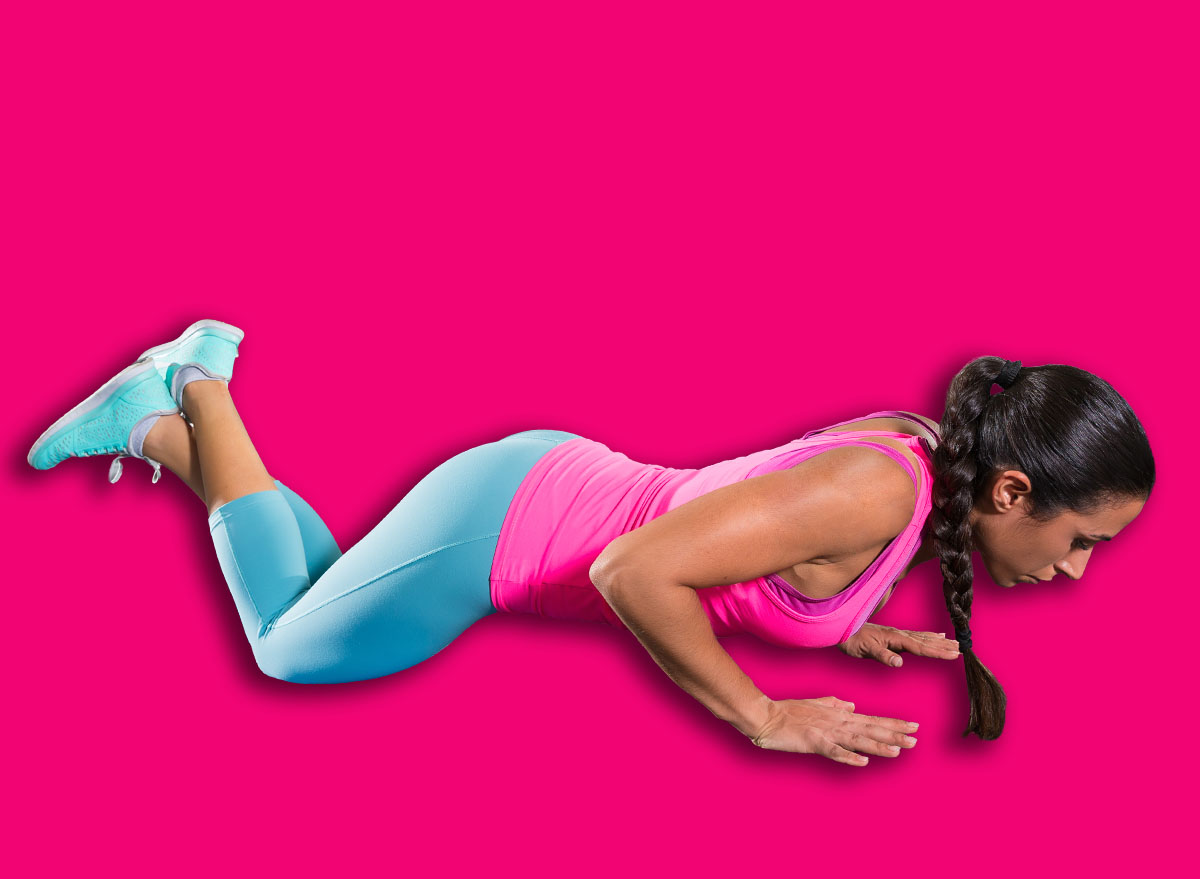

Strength after 50 shows up in the basics. Getting off the floor without help, carrying groceries without lingering shoulder fatigue, and controlling your body through a full pushup with steady breathing and clean form. Pushups remain one of the most honest tests of upper-body and core strength because they demand coordination, joint stability, and full-body tension in every rep.
Most adults quietly drift away from pressing movements as they age. Shoulder stiffness creeps in, wrist tolerance declines, and core stability fades in daily life. Over time, the gap widens between those who maintain fundamental pushing strength and those who avoid it entirely. The pushup exposes that reality fast. You either manage your body through space, or you do not.
The five pushup variations below take you from foundational strength to elite control for the over-50 athlete. Master each one, and you will earn more than bragging rights. You will build resilient shoulders, stronger arms, and a rock-solid core that carry over to every other movement in your training.
Kneeling Pushup
The kneeling pushup teaches whole-body pushing mechanics while reducing total load, which makes it ideal for building confidence and restoring pressing capacity after years away from pushups. You still train shoulder stability, chest strength, and core tension without unnecessary joint strain. This version sharpens technique early, since sloppy reps quickly show up as shifting hips or collapsing shoulders. Performing controlled kneeling pushups also strengthens connective tissues around the elbows and shoulders, preparing your joints for more demanding variations. For lifters over 50, this progression rebuilds strength without sacrificing joint health.
Muscles Trained: Chest, shoulders, triceps, core
How to Do It:
- Place your knees on the floor and set your hands just outside shoulder width.
- Align your head, shoulders, hips, and knees into a straight line.
- Brace your core and squeeze your glutes.
- Lower your chest toward the floor with elbows tracking slightly back.
- Press the floor away until your arms fully extend.
Recommended Sets and Reps: Perform 3 to 4 sets of 8 to 12 reps. Rest for 60 seconds between each set.
Best Variations: Incline pushups, tempo kneeling pushups, single-arm assisted pushups
Form Tip: Keep your ribcage stacked over your hips throughout each rep.
Regular Pushup
The standard pushup requires full-body tension and strength from the wrists to the toes. Your chest, shoulders, and triceps drive the movement, while your core, glutes, and upper back maintain proper alignment. Each clean rep reinforces shoulder stability and scapular control, which protect your joints and improve posture. For adults over 50, performing consistent, regular push-ups demonstrates that your joints can generate force safely through a full range of motion. Mastery here translates directly into everyday strength and athletic performance.
Muscles Trained: Chest, shoulders, triceps, core
How to Do It:
- Set your hands under your shoulders with your feet together or slightly apart.
- Form a straight line from head to heels.
- Brace your core and tighten your glutes.
- Lower your chest toward the floor while keeping your elbows angled slightly back.
- Press firmly until your arms lock out.
Recommended Sets and Reps: Perform 3 to 4 sets of 6 to 10 reps. Rest for 60 to 75 seconds between each set.
Best Variations: Incline pushups, decline pushups, tempo pushups
Form Tip: Drive the floor away rather than pushing your body upward.
Close-Grip Pushup
Close-grip pushups emphasize triceps strength while maintaining chest and shoulder activation. Narrow hand placement increases elbow flexion demands, forcing your arms to work harder with each repetition. This version develops powerful lockout strength that transfers to pressing movements such as bench presses, overhead presses, and everyday pushing tasks. For lifters over 50, strong triceps protect the elbows and shoulders by stabilizing joint control during pressing. Close-grip push-ups also quickly expose imbalances, helping you address asymmetries early.
Muscles Trained: Triceps, chest, shoulders, core
How to Do It:
- Place your hands directly under your shoulders with thumbs almost touching.
- Create full body tension from head to heels.
- Lower your torso until your elbows pass your rib cage.
- Keep your elbows tight to your sides throughout the descent.
- Press back to full extension.
Recommended Sets and Reps: Perform 3 to 4 sets of 6 to 8 reps. Rest for 75 seconds between each set.
Best Variations: Diamond pushups, kneeling close-grip pushups, tempo close-grip pushups
Form Tip: Drive elbows back rather than letting them flare sideways.
Pause Pushup
Pause pushups remove momentum and demand total muscular control. Holding the bottom position reinforces shoulder stability and strengthens isometric endurance in the chest, arms, and core. Pauses help you maintain tension rather than relaxing into vulnerable joint positions. For adults over 50, this style builds resilience and eliminates sloppy reps that cause joint discomfort over time. Paused reps sharpen control and enhance muscle recruitment across all subsequent pushup variations.
Muscles Trained: Chest, shoulders, triceps, core
How to Do It:
- Set up in your standard pushup position.
- Lower your chest slowly toward the floor.
- Pause for a two-second count just off the ground.
- Maintain tight core tension during the hold.
- Press back to full extension.
Recommended Sets and Reps: Perform 3 sets of 5 to 8 reps. Rest for 75 to 90 seconds between each set.
Best Variations: 3-second pause pushups, tempo pushups, kneeling pause pushups
Form Tip: Hold tension through your glutes and abs during the pause.
Bottom-Start Pushup
The bottom-start pushup eliminates the stretch reflex by beginning each rep from the floor. You generate pure concentric power without momentum assistance, demanding maximal activation of the chest, shoulders, and triceps. This variation exposes true pressing strength and immediately pinpoints areas of weakness. For those over 50, bottom-start reps build explosive strength safely from a dead stop while reinforcing shoulder joint stability. Performing these with solid form proves legitimate top-tier pressing power for your age group.
Muscles Trained: Chest, shoulders, triceps, core
How to Do It:
- Lie chest-down on the floor with hands positioned for a pushup.
- Brace your core and tighten your glutes.
- Press straight up from the bottom without bouncing.
- Lock out your elbows under control.
- Lower back to the floor and reset completely before your next rep.
Recommended Sets and Reps: Perform 4 sets of 4 to 6 reps. Rest for 90 seconds between each set.
Best Variations: Incline bottom-start pushups, tempo bottom-start reps, pause bottom-start pushups
Form Tip: Reset your body tension before every rep, as if it were a fresh set.
Best Tips for Pushup Strength After 50

Pressing strength thrives on quality movement, smart volume, and consistent joint care. Every rep counts more than chasing totals, especially as connective tissues demand careful attention with age. Building pushup power over 50 means training with patience while maintaining intensity.
- Warm up your shoulders thoroughly with band pull-aparts, scapular pushups, and arm circles before every pressing session.
- Focus on full core tension during every rep to keep your shoulders protected.
- Train pushups two to three times weekly to build strength without excessive joint stress.
- Rotate variations weekly to prevent overuse and stimulate new strength gains.
- Prioritize slow-tempo reps to support tissue health and improve muscle coordination.
- Pair push-ups with pulling exercises such as rows or band face pulls to maintain shoulder balance and posture.