7 Red Flag Ingredients Hiding in Your Favorite Grocery Store Snacks
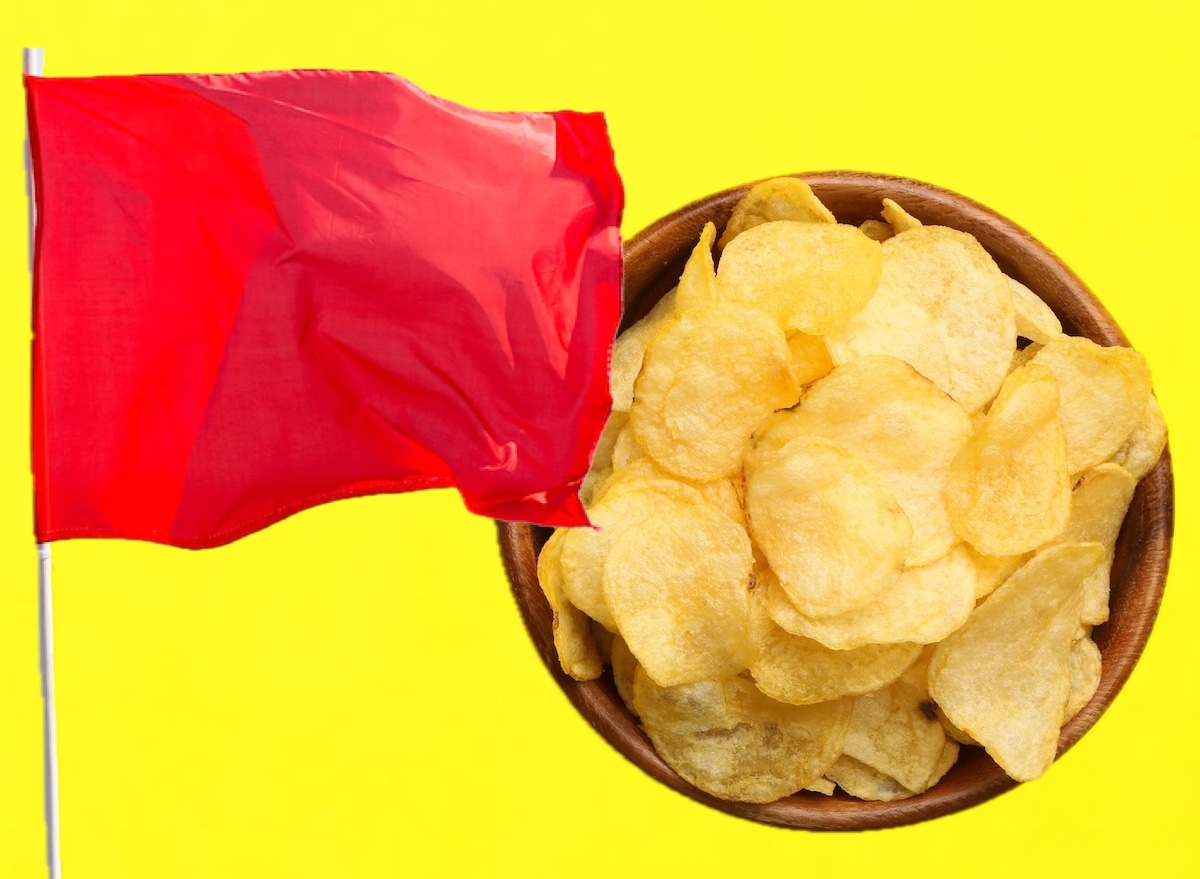

We all know snacks are delicious, but many of them aren’t good for you, usually due to the ingredients. “When it comes to snack ingredients, I try to help clients focus less on perfection and more on awareness. Most packaged snacks aren’t inherently ‘bad,’ but many are designed to keep us coming back for more rather than actually keeping us full or satisfied,” Life Time Plymouth Nutrition Coach and Personal Trainer Keri Anderson tells Eat This, Not That!, revealing to us a few things she tells clients to look out for. Here are 7 red-flag ingredients hiding in your favorite grocery-store snacks.
Added Sugars
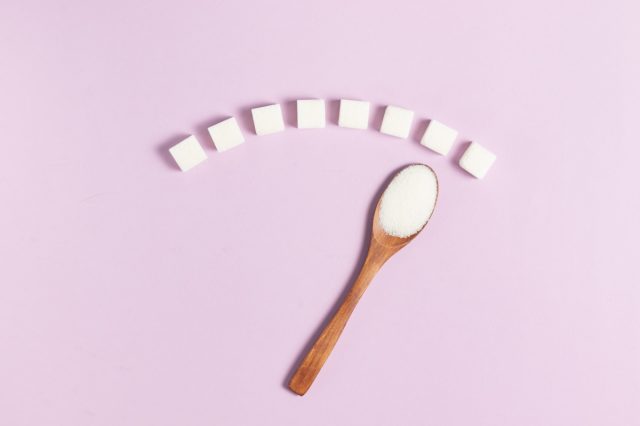
Added sugars, “especially when they’re disguised,” are a common culprit. “Ingredients like cane sugar, brown rice syrup, tapioca syrup, or fruit juice concentrate can add up quickly, especially when multiple forms are used in one product. These tend to spike blood sugar and often leave people feeling hungry again not long after,” says Anderson.
Highly Processed Seed Oils
Another thing to look out for? Highly processed seed oils. “Oils like soybean, corn, or canola oil are very common in packaged snacks. It’s not that they need to be avoided completely, but they’re easy to overconsume and are often paired with carbs and salt in ways that make foods harder to put down,” Anderson says.
Artificial Sweeteners
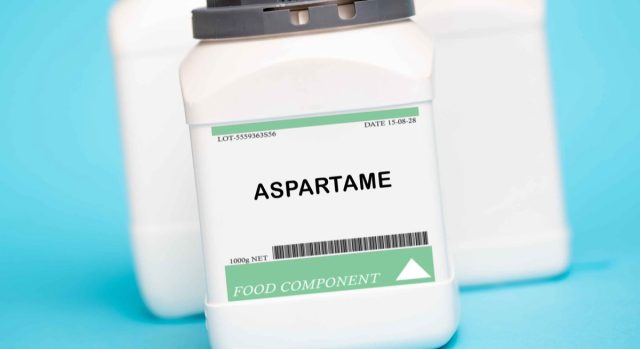
Beware of artificial sweeteners. “Ingredients like sucralose or aspartame show up a lot in ‘low sugar’ snacks. For some people, these can keep cravings for sweet foods high and make it harder to feel satisfied,” says Anderson.
Sugar Alcohols
Sugar alcohols are also problematic. “Things like erythritol, xylitol, or maltitol are common in protein bars and keto snacks. While they can reduce sugar content, they can also cause bloating or digestive discomfort for some people,” says Anderson.
Long Ingredient Lists
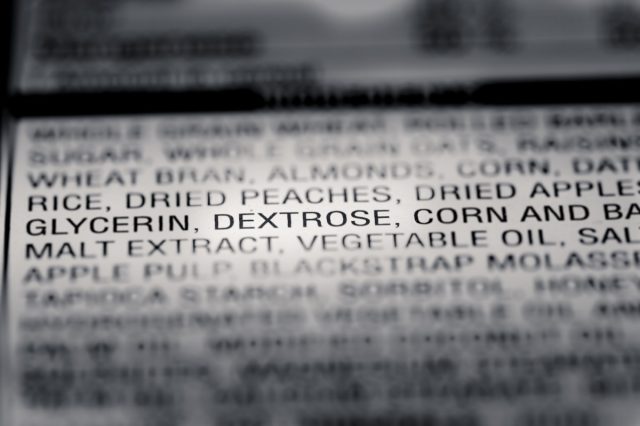
Long ingredient lists are a concern. “If a snack has a long list of ingredients, it’s often a sign that it’s more engineered than nourishing. Simpler tends to be easier for the body to process and regulate,” says Anderson.
Low Protein and Low Fiber
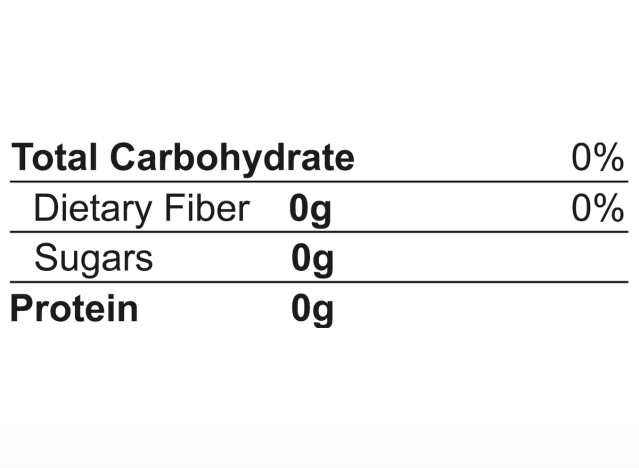
While more general, low protein and low fiber counts are not good. “Even if a snack looks ‘healthy,’ if it doesn’t have some protein or fiber, it likely won’t keep you full for very long. This is one of the biggest reasons people feel like they’re constantly snacking,” Anderson says.
Natural Flavors and Flavor Enhancers
And, finally, be careful of “natural flavors” and flavor enhancers. “This is a broad term that can include a variety of processed compounds designed to enhance taste. Not necessarily harmful, but often a sign the food is more about flavor engineering than nourishment,” she says.
Here’s What to Look for in a Snack
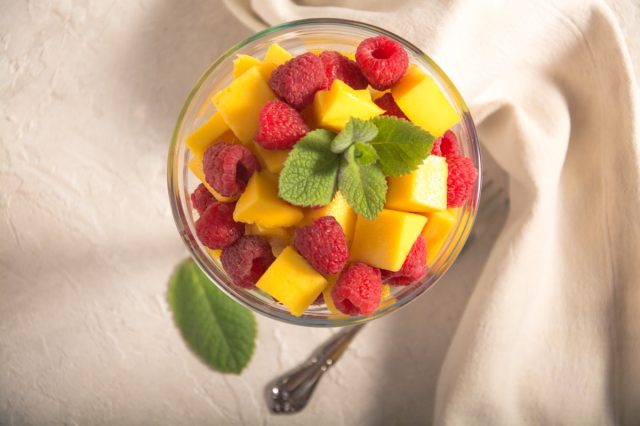
The bottom line? “Overall, I always remind clients that it’s rarely just one ingredient; it’s the combination. When snacks are built around sugar, fat, and salt together, they’re very easy to overeat,’ she says. “On the flip side, I always like to give people some simple go-to options that don’t require overthinking. Things like fruit (apples, oranges, berries), jerky or meat sticks, nuts, Greek yogurt, or even something like a protein shake can go a long way. These tend to have fewer ingredients and a better balance of protein, fiber, and healthy fats, which helps with staying full and keeping energy more stable,” she continues. “It doesn’t have to be perfect or fully unprocessed, just a small shift toward options that actually satisfy you. A simple way to approach snacks is to ask: ‘Is this actually going to hold me over and support my energy, or will I be reaching for something else in 30 minutes?’ That question alone can shift a lot.”