7 Signs Your Burger Isn’t 100% Real Beef
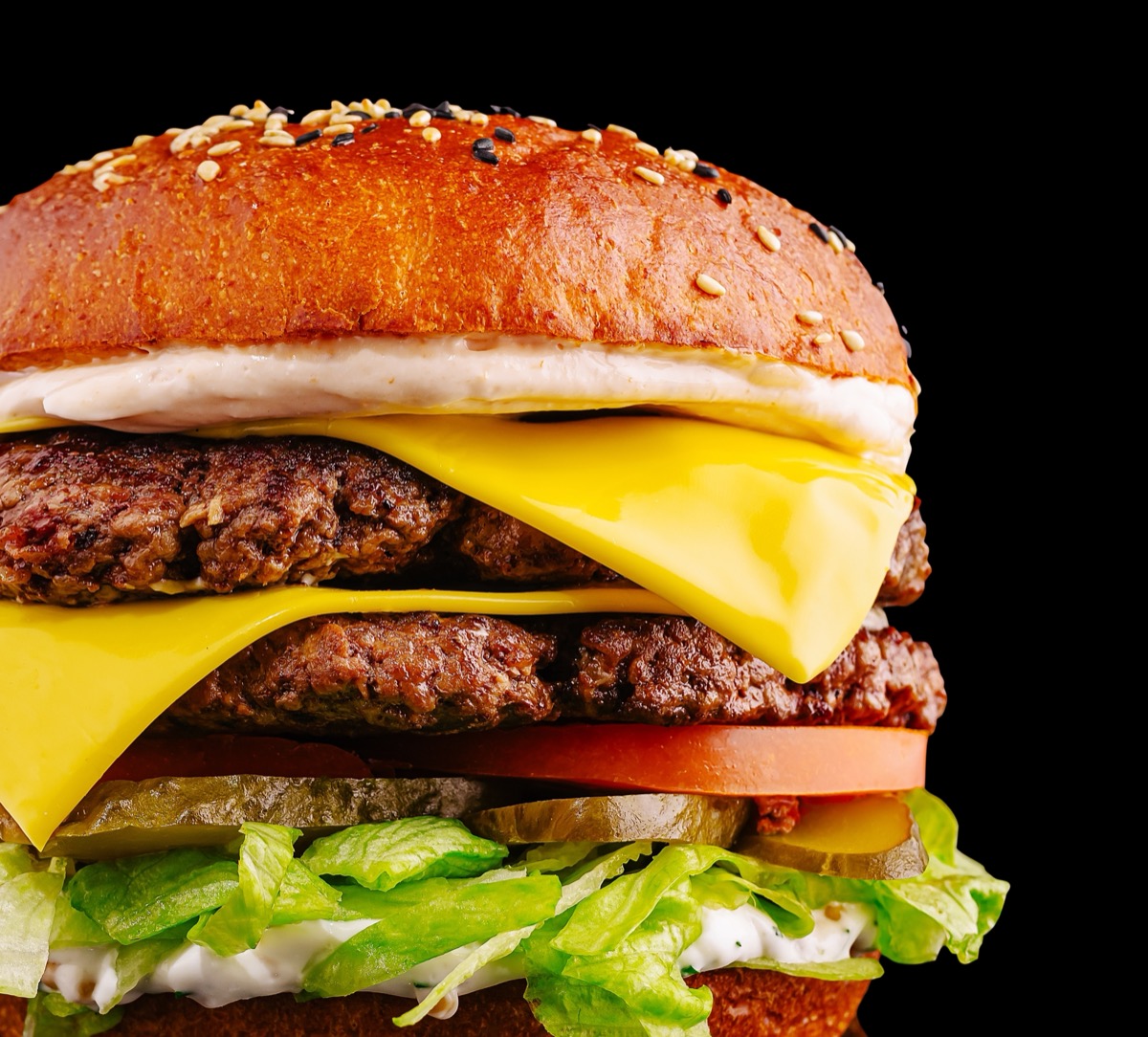

Are you eating burgers that aren’t actually real beef? There’s a good chance that your patties aren’t 100 percent beef. Luckily, there are ways to figure it out. We asked Tara Collingwood, MS, RDN, CSSD, LD/N, ACSM-CPT, a Board Certified Sports Dietitian and co-author of the Flat Belly Cookbook for Dummies, about any tips and tricks to identifying burgers that aren’t all beef. Here are 7 signs your burger isn’t made with 100 percent real beef.
They Aren’t Labeled “100% Beef”
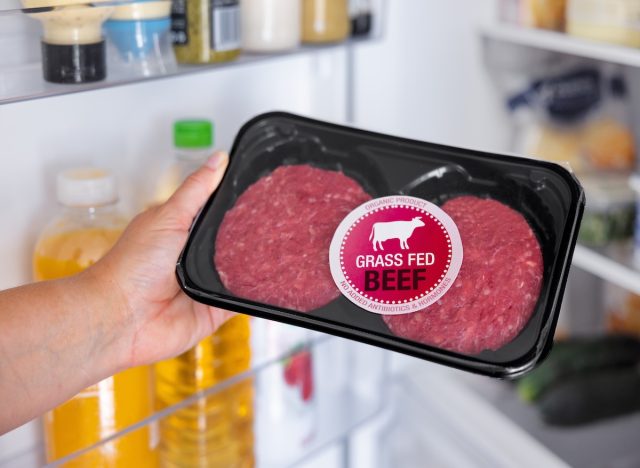
The first sign is pretty self-explanatory: If the menu or website doesn’t say “100% beef,” it probably isn’t. “Restaurants proudly advertise this when it’s true,” says Collingwood. Watch out for “vague wording like ‘beef patty,’ ‘grilled patty,” or ‘seasoned beef.’ This usually means additives, binders, or blended meats,” she says.
There Is a Long Ingredient List
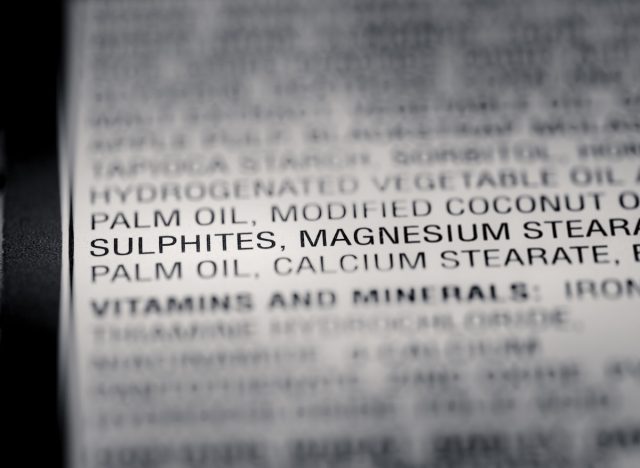
Another red flag? There is a long ingredient list. “Real beef patties should contain beef and maybe salt/pepper,” she says. Red-flag ingredients include:
Soy protein, textured vegetable protein (TVP)
Modified food starch
Maltodextrin
Carrageenan
Sodium phosphates
“Natural flavors”
The Burger Is Uniform, Rubbery, or Spongy Texture
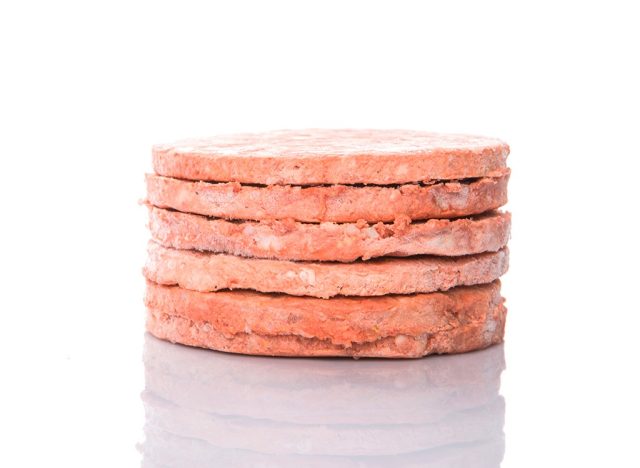
If your burger is a uniform, rubbery, or spongy texture, it is a signthat there is something other than beef in it. “Real ground beef has visible grain and fat variation,” says Collingwood. “Fillers create a smooth, bouncy, almost hot dog-like bite. If it feels springy instead of crumbly, that’s a clue.”
There Is Excessive Shrinkage or Water Loss
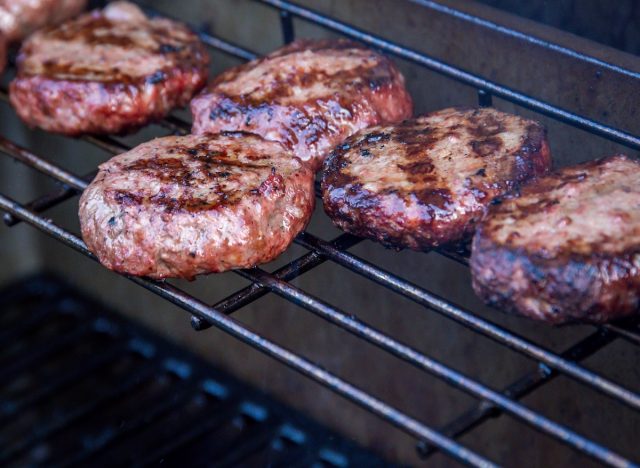
Excessive shrinkage or water loss is another sign. “Patty shrinks dramatically or releases lots of liquid,” says Collingwood. “Beef and binders often contain added water. Real beef shrinks mostly from fat rendering, not water flooding.”
Gray or Oddly Consistent Interior
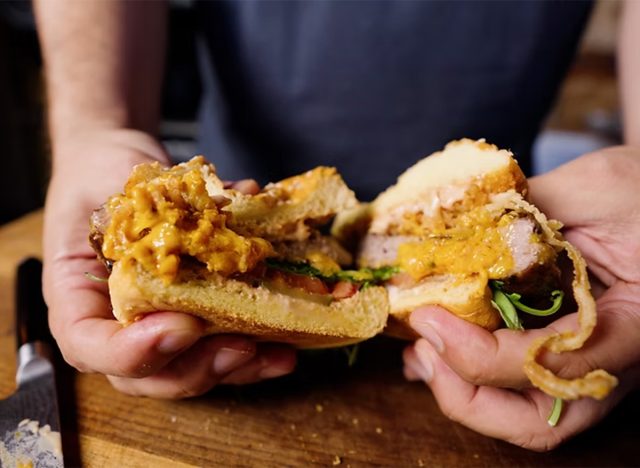
Gray or oddly consistent interior is another sign. “Real beef cooks with color variation,” Collingwood points out. “Heavily processed patties may look: Uniform gray, pasty, too smooth inside,” she says.
There Is a Weak Beef Flavor or Heavy Saltiness

The sixth sign? “Weak beef flavor, heavy saltiness,” Collingwood says. “Real beef tastes meaty, not just salty. Fillers dilute natural beef flavor, and sodium compensates.”
An Unaturally Lingering Aftertaste
The last sign is an “aftertaste that lingers unnaturally,” says Collingwood. “This can be from flavor enhancers, phosphates, or hydrolyzed proteins.”