If You Can Perform These 4 Single-Leg Exercises Without Wobbling, Your Balance Is Perfect
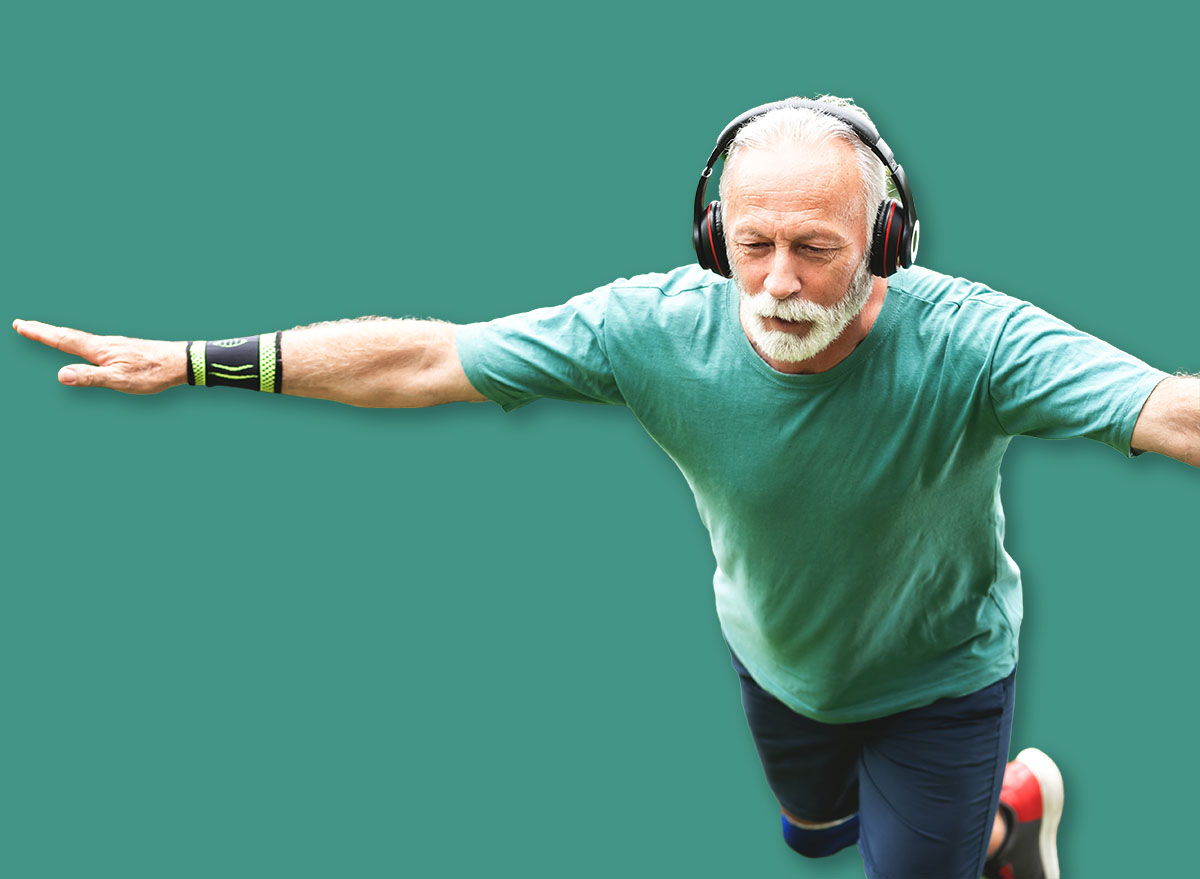

Balance serves as one of the clearest indicators of overall fitness, mobility, and healthy aging. While strength and endurance often receive most of the attention, balance determines how effectively those qualities translate into everyday movement. Walking across uneven ground, climbing stairs, stepping over obstacles, and changing direction all require the ability to control your body on one leg. Since every step you take involves a brief single-leg stance, balance deficiencies often reveal themselves long before major mobility problems appear.
Single-leg exercises provide one of the best ways to assess balance because they challenge the ankles, knees, hips, core, and nervous system simultaneously. Unlike standing on two feet, where the body enjoys a wide base of support, single-leg movements force the stabilizing muscles to work continuously to maintain control. Even strong individuals often discover weaknesses when asked to balance on one leg for an extended period or move while balancing.
The four exercises below test different aspects of balance, coordination, stability, and lower-body control. If you can perform all four with minimal wobbling, steady posture, and smooth movement, your balance ability ranks exceptionally well. The goal isn’t perfection—it’s demonstrating control, confidence, and stability throughout each exercise.
Single-Leg Stand
The single-leg stand remains the gold standard for evaluating balance. Although the movement appears simple, it quickly exposes weaknesses in ankle stability, hip strength, core control, and body awareness. Many people discover that one side feels significantly less stable than the other, revealing imbalances that may affect everyday movement. Strong performance indicates that the stabilizing muscles throughout the lower body are working efficiently together. If you can hold this position comfortably without excessive swaying, your balance foundation is excellent. This exercise also serves as the building block for more advanced balance challenges.
How to Do It
- Stand tall near a wall or chair
- Shift your weight onto one foot
- Lift the opposite foot off the floor
- Keep your chest upright
- Focus on a fixed point ahead
- Maintain steady breathing
- Hold for 30 seconds
- Repeat on both sides.
Single-Leg Clock Reach
The clock reach challenges balance while introducing movement. Instead of simply standing still, the body must stabilize while the free leg reaches in multiple directions. This creates a much greater demand on the hips, core, and supporting leg. Many individuals who perform well during static balance tests struggle once movement enters the equation. Strong performance demonstrates advanced body control and coordination. The exercise also closely mimics real-world situations that require reaching, stepping, and adjusting balance simultaneously.
How to Do It
- Stand on one leg
- Imagine a clock surrounding you
- Reach the free foot toward 12 o’clock
- Return to center
- Reach toward 3 o’clock
- Return to center
- Continue through multiple directions
- Repeat on both sides.
Single-Leg Romanian Deadlift Reach
This exercise tests balance, hip stability, and body control simultaneously. The movement requires maintaining alignment while hinging forward and extending the opposite leg behind the body. Strong glutes, hamstrings, core muscles, and stabilizers must work together continuously. Many people find this exercise more challenging than standing still because the center of gravity shifts throughout the movement. Smooth, controlled repetitions indicate outstanding lower-body stability and coordination. Strong performance often translates into better athleticism and safer everyday movement.
How to Do It
- Stand on one leg
- Slightly bend the supporting knee
- Hinge forward at the hips
- Extend the opposite leg behind you
- Keep your back flat
- Reach toward the floor
- Return slowly to standing
- Perform 8 repetitions per side
Single-Leg Knee Drive Hold
This exercise combines strength, posture, and balance into a single movement. Holding the knee elevated forces the standing leg to stabilize while the core maintains alignment. The exercise closely resembles the balance demands experienced during walking, stair climbing, and many athletic movements. Many adults underestimate how challenging maintaining stillness becomes once the knee rises. Strong performance reflects excellent coordination between the hips, core, and lower-body stabilizers. It also demonstrates the ability to control balance during movement transitions.
How to Do It
- Stand tall
- Shift your weight onto one foot
- Lift the opposite knee to hip height
- Tighten your core gently
- Keep your chest upright
- Avoid leaning backward
- Hold for 20 seconds
- Repeat on both sides.