5 Bodyweight Moves That Fix Poor Posture Faster Than Chiropractors After 50
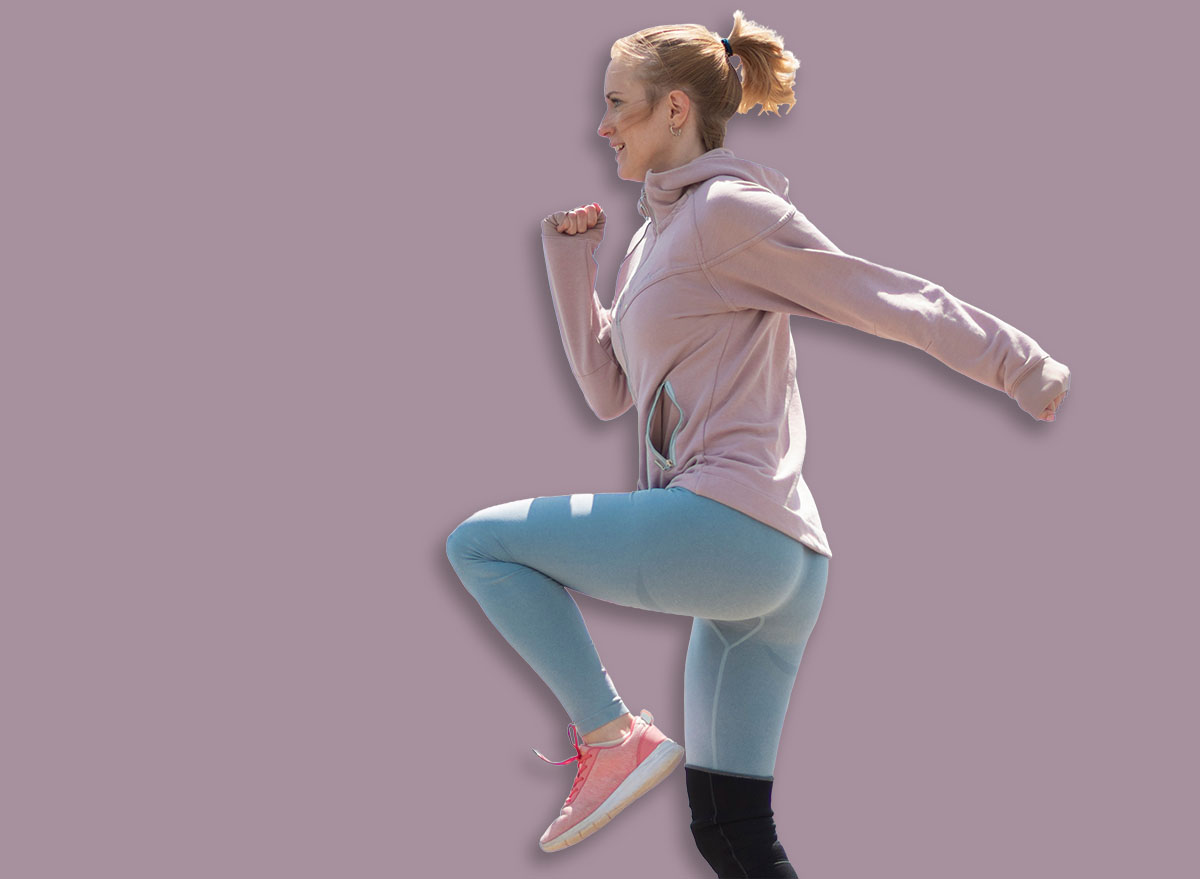

Poor posture rarely develops overnight. Years of sitting, driving, looking down at phones, working at computers, and moving less frequently gradually pull the shoulders forward, weaken the upper back, and reduce core strength. After 50, these changes often become more noticeable as muscle mass naturally declines and joint stiffness increases. The result can be rounded shoulders, a forward head position, back discomfort, and a general feeling of stiffness during everyday movement.
Many people seek outside treatments hoping for a quick fix, but lasting posture improvements usually come from strengthening the muscles responsible for holding the body in proper alignment. Strong upper-back muscles, stable shoulders, mobile hips, and an engaged core work together to support an upright posture throughout the day. Without those muscular changes, posture often returns to its previous position regardless of temporary adjustments.
The five bodyweight exercises below strengthen the key muscles responsible for standing taller and moving better. Each movement improves posture by building strength and awareness rather than relying on passive correction. Perform them consistently, and you’ll begin to notice a stronger, more upright position during daily activities.
Wall Angels
Wall angels strengthen the upper back and shoulders while teaching the body what proper alignment feels like. Many adults over 50 struggle to keep their shoulders back because the muscles between the shoulder blades have weakened over time. This exercise forces those muscles to engage while improving shoulder mobility and upper-spine positioning. The wall provides immediate feedback, helping you recognize posture habits that may be contributing to rounded shoulders. Few exercises restore upper-body posture awareness as effectively as wall angels. Consistent practice often leads to noticeable improvements in shoulder position and chest openness.
How to Do It
- Stand with your back against a wall
- Press your head, upper back, and hips gently into the wall
- Raise your arms into a goalpost position
- Keep your elbows and wrists near the wall
- Slowly slide your arms upward
- Pause briefly
- Lower with control
- Perform 10 to 12 repetitions.
Bird Dogs
Bird dogs strengthen the deep core muscles that stabilize the spine during movement. Many posture problems originate from weak stabilizers that fail to support the back throughout the day. This exercise teaches the body to maintain spinal alignment while the arms and legs move independently. The movement also strengthens the glutes and shoulders, creating better total-body support. Adults over 50 often notice improved posture and balance after adding bird dogs to their routines consistently. Controlled movement matters far more than speed during this exercise.
How to Do It
- Start on all fours
- Place your hands beneath your shoulders
- Position your knees beneath your hips
- Tighten your core gently
- Extend one arm and the opposite leg
- Hold briefly
- Return with control
- Alternate sides for 10 repetitions per side.
Glute Bridges
Strong glutes play a major role in posture because they help stabilize the pelvis and support proper spinal positioning. When the glutes weaken, the hips often tilt forward, increasing stress on the lower back and encouraging poor posture. Glute bridges restore strength through the hips while improving core engagement and lower-body stability. The exercise also promotes better alignment throughout the entire posterior chain. Many adults over 50 feel taller and more supported after strengthening their glutes consistently.
How to Do It
- Lie on your back with knees bent
- Place your feet flat on the floor
- Press through your heels
- Lift your hips upward
- Tighten your glutes at the top
- Hold briefly
- Lower slowly
- Perform 12 to 15 repetitions.
Standing Shoulder Blade Squeezes
The muscles between the shoulder blades serve as one of the body’s primary posture support systems. When they weaken, the shoulders drift forward and the upper back rounds. Shoulder blade squeezes directly strengthen these important muscles while improving posture awareness throughout the day. The movement feels simple, but many adults quickly discover how little they use these muscles during normal activity. Consistent practice helps retrain the upper back to support a more upright position naturally.
How to Do It
- Stand tall with your chest lifted
- Relax your shoulders downward
- Pull your shoulder blades backward
- Squeeze gently between the shoulder blades
- Hold for 2 to 3 seconds
- Release slowly
- Avoid shrugging your shoulders
- Perform 12 to 15 repetitions.
Standing Marches
Posture depends heavily on core strength and pelvic stability during movement. Standing marches challenge both while improving balance and coordination. Every time one leg leaves the floor, the core must stabilize the torso to maintain alignment. Many adults lose this ability because prolonged sitting reduces core activation throughout the day. This exercise restores that stability while reinforcing upright posture during a functional movement pattern. Consistent practice helps improve walking mechanics and overall body control.
How to Do It
- Stand tall with feet hip-width apart
- Tighten your core gently
- Lift one knee toward hip height
- Lower slowly with control
- Alternate sides continuously
- Keep your chest lifted
- Avoid leaning backward
- Perform 20 total marches.