5 Standing Exercises That Reverse Muscle Loss Faster Than Gym Workouts After 60
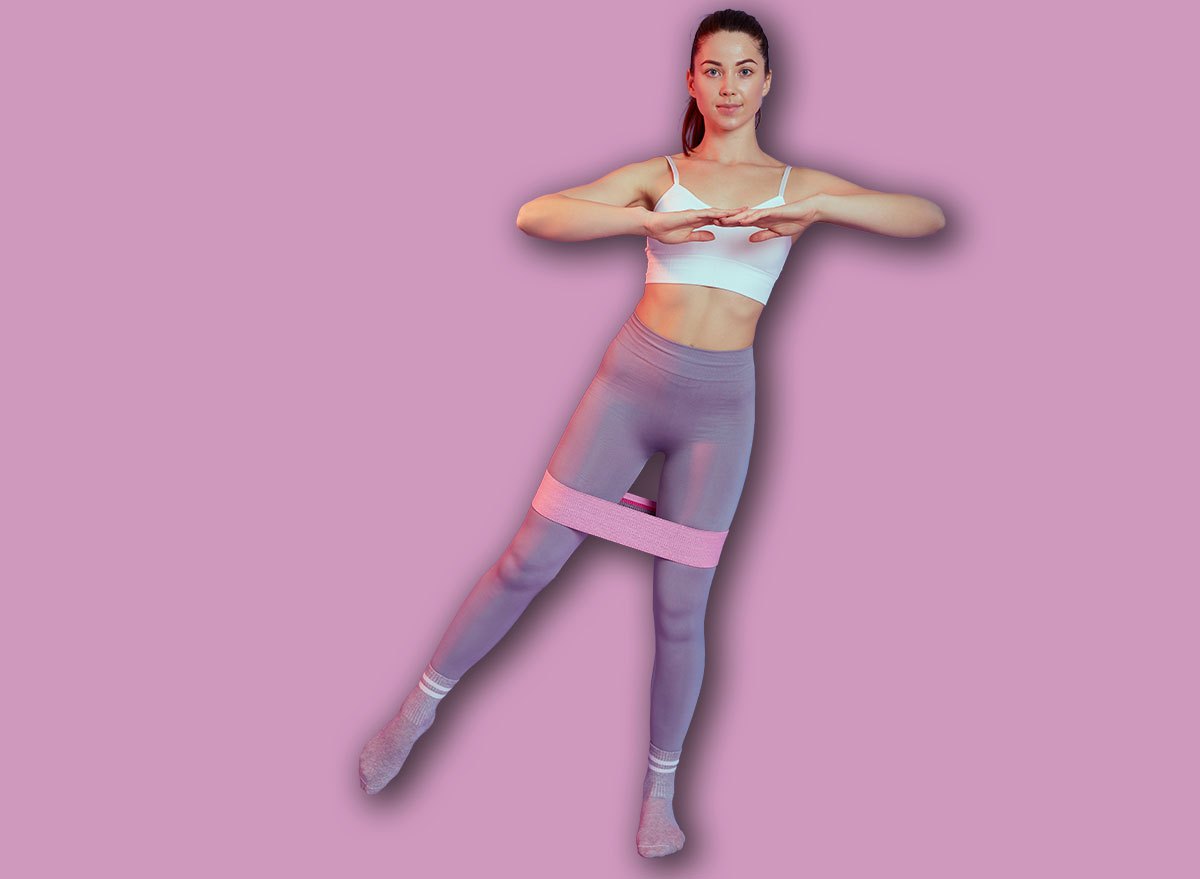

Losing muscle after 60 doesn’t happen because your body suddenly stops responding to exercise. It happens because most people gradually move less, challenge their muscles less often, and spend more time sitting than they realize. As a trainer, I’ve watched countless clients regain strength and muscle tone without ever stepping foot inside a gym. The key isn’t finding the perfect workout. It’s consistently performing movements that recruit the largest muscles in the body every single day.
Many people assume reversing muscle loss requires lifting heavy weights several times a week. While resistance training certainly helps, standing exercises offer a unique advantage because they strengthen your muscles while improving balance, coordination, and posture at the same time. Every repetition teaches your body to work as one connected system rather than isolating a single muscle group. That kind of functional strength carries over into everything from climbing stairs to carrying groceries and enjoying long walks.
I’ve spent years coaching adults over 60, and the strongest clients often follow surprisingly simple routines. They focus on quality movement, controlled repetitions, and consistency instead of chasing bigger numbers in the gym. These five standing exercises challenge the muscles most responsible for keeping you independent while helping slow, and even reverse, age-related muscle loss. Stick with them several mornings each week, and you’ll build strength that shows up in every part of your day.
Standing Squats
If I had to build a strength routine around one lower-body exercise, standing squats would always earn a place. They recruit the quadriceps, hamstrings, glutes, calves, and core all at once while reinforcing one of the most important movement patterns in everyday life. I recommend them because they mimic sitting down and standing up, making the strength gains immediately practical. Clients often notice stronger legs, improved endurance, and greater confidence on stairs after only a few weeks. Better yet, squats encourage your body to maintain muscle throughout the entire lower half rather than focusing on a single area.
How to Do It
- Stand with your feet shoulder-width apart.
- Brace your core.
- Push your hips back.
- Lower until comfortable.
- Press through your heels to stand.
- Perform 10 to 15 repetitions.
Standing Calf Raises
The calves often receive very little attention, yet they play a critical role in walking, climbing stairs, and maintaining balance. Strong calves also help absorb impact with every step, reducing unnecessary stress on the knees and hips. I include calf raises in almost every standing routine because they’re easy to perform while producing meaningful improvements in lower-leg strength. Many clients tell me they feel lighter on their feet after adding them to their morning routine. Consistent practice also helps preserve muscle where age-related decline often goes unnoticed.
How to Do It
- Stand behind a sturdy chair.
- Hold the chair lightly.
- Rise onto your toes.
- Pause briefly.
- Lower slowly.
- Complete 15 to 20 repetitions.
Standing Hip Abductions
The muscles along the outside of the hips do far more than simply move the legs sideways. They stabilize the pelvis every time you take a step, helping you maintain balance and reducing unnecessary strain on the knees and lower back. I frequently prescribe standing hip abductions because they strengthen these often-neglected muscles without requiring equipment. Clients usually notice steadier walking and greater confidence on uneven ground after several weeks of consistent practice. Strong hips create a stronger foundation for nearly every lower-body movement.
How to Do It
- Stand beside a sturdy chair.
- Hold the chair lightly.
- Lift one leg out to the side.
- Keep your torso upright.
- Lower with control.
- Perform 12 to 15 repetitions per leg.
Standing Wall Push-Ups
Upper-body muscle loss becomes increasingly common after 60, especially if daily activities no longer challenge the chest, shoulders, and arms. Wall push-ups provide a joint-friendly way to rebuild that strength while engaging the core and improving shoulder stability. I like using them because they’re easy to modify as clients become stronger. Every repetition teaches multiple muscle groups to work together, making the gains more functional than isolated machine exercises. Clients often feel stronger during everyday pushing movements within a month of consistent practice.
How to Do It
- Face a sturdy wall.
- Place your hands slightly wider than shoulder width.
- Step your feet back.
- Bend your elbows and lower your chest.
- Push back to the starting position.
- Perform 10 to 15 repetitions.
Standing Knee Drives
I like finishing standing workouts with a movement that combines strength, balance, and coordination. Standing knee drives activate the hip flexors, core, glutes, and supporting muscles throughout the standing leg while gently raising the heart rate. The exercise closely resembles the mechanics of walking, making it an excellent choice for preserving muscle that’s useful during everyday movement. Many clients tell me they feel more energetic and more stable after incorporating knee drives into their morning routine. It’s a simple reminder that maintaining muscle isn’t just about lifting weight. It’s about teaching your body to move well.
How to Do It
- Stand tall with your feet hip-width apart.
- Lift one knee toward your chest.
- Lower with control.
- Alternate sides.
- Keep your posture upright.
- Continue for 30 to 60 seconds.