6 Best Standing Exercises That Boost Energy More Than Coffee After 45
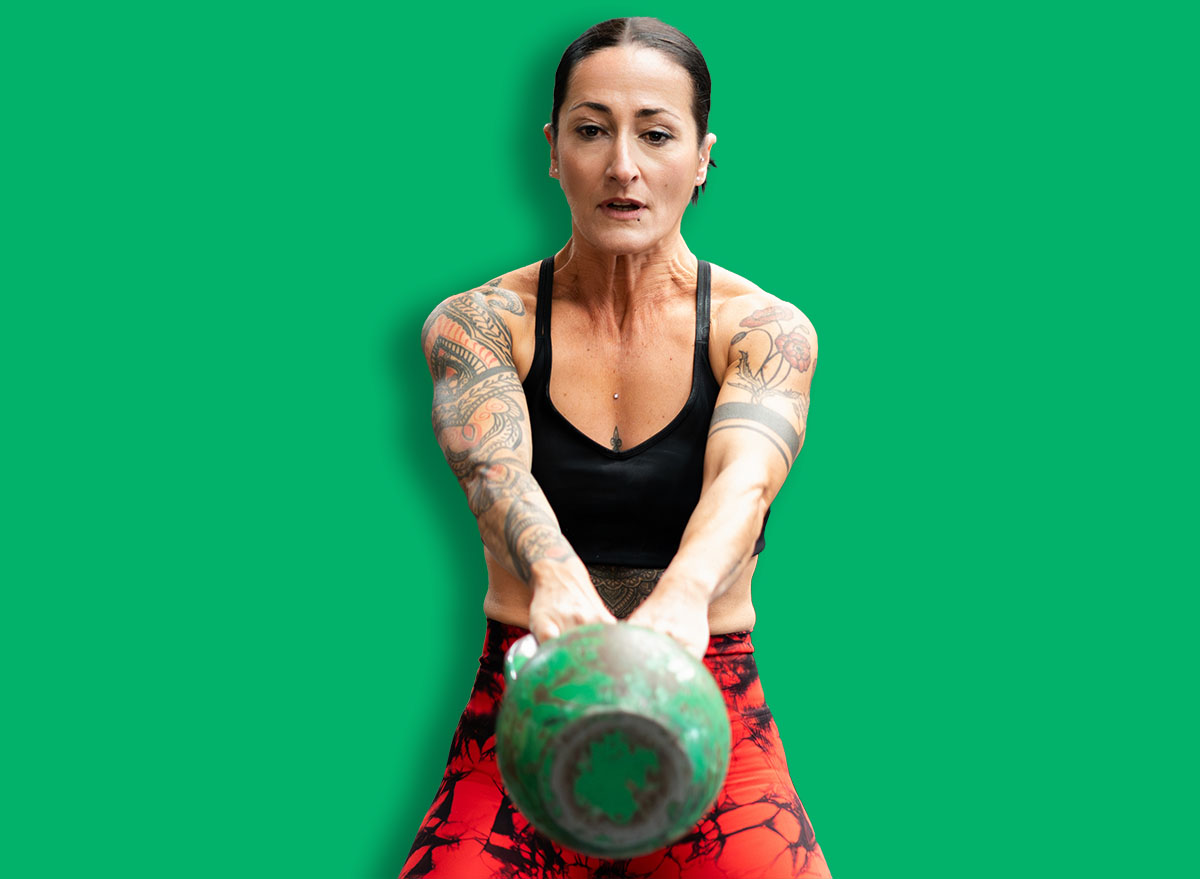

By the time you hit your mid-40s, energy becomes a daily currency. Mornings feel slower, afternoon crashes arrive sooner, and caffeine’s effectiveness feels less reliable than it once did. What many people miss is that true, lasting energy comes from movement that wakes up your nervous system, challenges your muscles, and improves circulation all at once.
Standing exercises provide your body with the energy it needs for lasting performance. They force your body to coordinate, stabilize, and produce force while staying upright, which increases blood flow and oxygen delivery almost immediately. Unlike seated or floor work, standing movements also engage balance, posture, and joint health, all of which affect how alert and energized you feel throughout the day.
The exercises below were chosen for one reason. They light up your body fast and leave you feeling sharper, warmer, and more alive within minutes. If you want workouts that feel like flipping a switch instead of grinding through a routine, you’re in the right place.
High Knees
High knees act like a full-body wake-up call. They quickly elevate your heart rate while requiring coordination among your hips, core, and arms. That combination stimulates your nervous system and rapidly increases blood flow to working muscles. As you age, movements that combine rhythm and speed help maintain reaction time and energy levels. This exercise also reinforces upright posture, which can reduce that sluggish, slouched feeling many people carry into the day.
Muscles Trained: Hip flexors, quadriceps, glutes, core, and calves
How to Do It:
- Stand tall with your feet hip-width apart.
- Drive your right knee up toward chest height.
- Swing your left arm forward naturally.
- Switch legs quickly and stay light on your feet.
- Maintain an upright torso and steady breathing.
Recommended Sets and Reps: Knock out 3 sets of 30 to 45 seconds. Rest for 30 seconds between each set.
Best Variations: Marching high knees, high knees with arm reach, resistance band high knees
Form Tip: Think tall posture and quick feet rather than rushing the movement.
Kettlebell Swings
Kettlebell swings deliver power-based energy that lingers long after the set ends. The explosive hip drive activates large muscle groups that demand high oxygen output, which increases alertness and metabolic activity. This movement also trains your posterior chain, an area closely tied to posture and daily stamina. Swings help your body produce force efficiently, often resulting in less fatigue during everyday tasks.
Muscles Trained: Glutes, hamstrings, core, lats, and shoulders
How to Do It:
- Set the kettlebell slightly in front of your feet.
- Hinge at your hips and grip the handle firmly.
- Drive your hips forward to swing the bell to chest height.
- Let the kettlebell fall back between your legs under control.
- Repeat smoothly without squatting the movement.
Recommended Sets and Reps: Perform 4 sets of 15 to 20 reps. Rest for 45 seconds between each set.
Best Variations: Two-hand swing, single-arm swing, dead-stop swing
Form Tip: Snap your hips forward and let your arms stay relaxed.
Dumbbell Push Press
The push press blends strength and speed, making it highly energizing, and using your legs to drive the weight overhead forces your entire body to work together. This coordination increases neural drive and helps you move more quickly and dynamically. Over time, exercises like this help maintain power output, which often fades with age and contributes to feeling flat or sluggish.
Muscles Trained: Deltoids, triceps, quadriceps, glutes, and core
How to Do It:
- Hold dumbbells at shoulder height with palms facing in.
- Dip slightly by bending your knees.
- Drive through your legs and press the weights overhead.
- Briefly lock out your arms at the top.
- Lower the dumbbells back to your shoulders with control.
Recommended Sets and Reps: Knock out 3 to 4 sets of 8 to 10 reps. Rest for 60 seconds between each set.
Best Variations: Single-arm push press, alternating push press, landmine push press
Form Tip: Use your legs first, then finish strong with your arms.
Goblet Squats
Goblet squats provide steady, grounding energy that builds over the set—holding weight in front challenges your core while your legs handle the bulk of the work. This improves circulation in the lower body, which many people need more of after prolonged sitting. Squatting also reinforces joint health and movement confidence, both of which influence how energized you feel during the day.
Muscles Trained: Quadriceps, glutes, hamstrings, core, and upper back
How to Do It:
- Hold a dumbbell or kettlebell close to your chest.
- Stand with your feet just outside shoulder width.
- Sit your hips down and back into a squat.
- Keep your chest tall and your elbows tucked in to your knees.
- Drive through your heels to stand back up.
Recommended Sets and Reps:
Perform 3 to 4 sets of 10 to 12 reps. Rest for 60 seconds between each set.
Best Variations: Tempo goblet squat, paused goblet squat, heels-elevated goblet squat
Form Tip: Keep your weight close to your body to maintain balance.
See-Saw Dumbbell Rows
See-saw rows fire up your upper back while keeping your core actively engaged. Alternating sides forces your body to resist rotation, which increases muscle activation and mental focus. Strong back muscles support posture, breathing efficiency, and shoulder health. When your upper body remains upright and strong, fatigue sets in more slowly, and energy levels remain more consistent.
Muscles Trained: Lats, rhomboids, rear delts, biceps, and core
How to Do It:
- Hold a dumbbell in each hand and hinge forward slightly.
- Brace your core and keep your spine neutral.
- Row your right dumbbell toward your hip.
- Lower it and immediately row the left side.
- Alternate smoothly without twisting your torso.
Recommended Sets and Reps: Knock out 3 sets of 10 to 12 reps per side. Rest for 45 seconds between each set.
Best Variations: Single-arm supported row, renegade row, resistance band alternating row
Form Tip: Pull your elbow back and squeeze your shoulder blade.
Cross-Body Marching
Cross-body marching stimulates coordination between your brain and body. Moving opposite arm and leg patterns enhances balance, rhythm, and neural efficiency. This type of movement often leaves people feeling mentally sharper, not just physically warm. It also reinforces rotational core strength, supporting daily movement and reducing wasted energy.
Muscles Trained: Obliques, hip flexors, glutes, shoulders, and core
How to Do It:
- Stand tall with your arms relaxed at your sides.
- Lift your right knee while reaching your left hand across your body.
- Lower smoothly and switch sides.
- Maintain a steady marching rhythm.
- Keep your torso upright and controlled.
Recommended Sets and Reps:
Perform 3 sets of 40 to 60 total marches. Rest for 30 seconds between each set.
Best Variations: Weighted cross-body march, march with overhead reach, and slow tempo marching
Form Tip: Move with intention and avoid rushing the pattern.
Best Tips for Sustaining Energy After 45
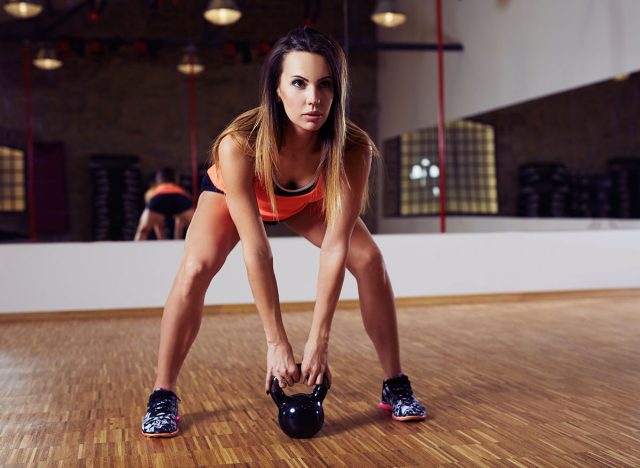
Sustainable energy is built through consistent movement habits that support your nervous system, muscles, and joints. Standing exercises play a decisive role, but how you use them matters just as much. These strategies help turn short bursts of movement into all-day energy.
- Train earlier when possible: Morning or midday sessions often improve focus and alertness for hours afterward.
- Keep rest periods tight: Shorter rest periods keep your heart rate elevated and enhance the energizing effect.
- Prioritize posture-focused movements: Strong hips and upper backs reduce fatigue during daily activities.
- Rotate intensity levels: Mix fast, powerful movements with controlled strength work to avoid burnout.
- Stay consistent over aggressive: Frequent moderate sessions support energy better than sporadic hard workouts.
When movement feels good and leaves you energized, consistency becomes easy. That’s when the real benefits show up.
References
- Korthuis, Ronald J. Skeletal Muscle Circulation. Morgan & Claypool Life Sciences, 2011. NCBI Bookshelf, Chapter 4, “Exercise Hyperemia and Regulation of Tissue Oxygenation During Muscular Activity,” www.ncbi.nlm.nih.gov/books/NBK57139/