The 7-Minute Standing Routine That Restores Core Strength Faster Than Floor Exercises After 60

Core strength after 60 often fades not because people stop moving, but because they stop engaging the right muscles with intention. Many traditional floor exercises feel uncomfortable on the back, shoulders, or hips, which leads to inconsistency. I’ve worked with older clients for years, and the biggest improvements in core strength almost always come from movements they actually stick with. Standing routines remove that barrier while still delivering powerful results when performed correctly.
The core doesn’t just function on the floor, it works hardest while you’re upright, stabilizing your body during walking, reaching, and balancing. That’s why standing exercises often restore real-world core strength faster than traditional crunches or planks. When you train the core in a standing position, you teach it to support your body exactly the way it needs to during daily life.
This 7-minute routine focuses on continuous tension, posture control, and deliberate movement. Each exercise lasts just over two minutes, keeping the core engaged without rest. Stay tall, brace your midsection, and move with purpose. When done consistently, this routine rebuilds deep core strength that carries into everything you do.
Minutes 0–2:30 — Standing Knee Drive Hold
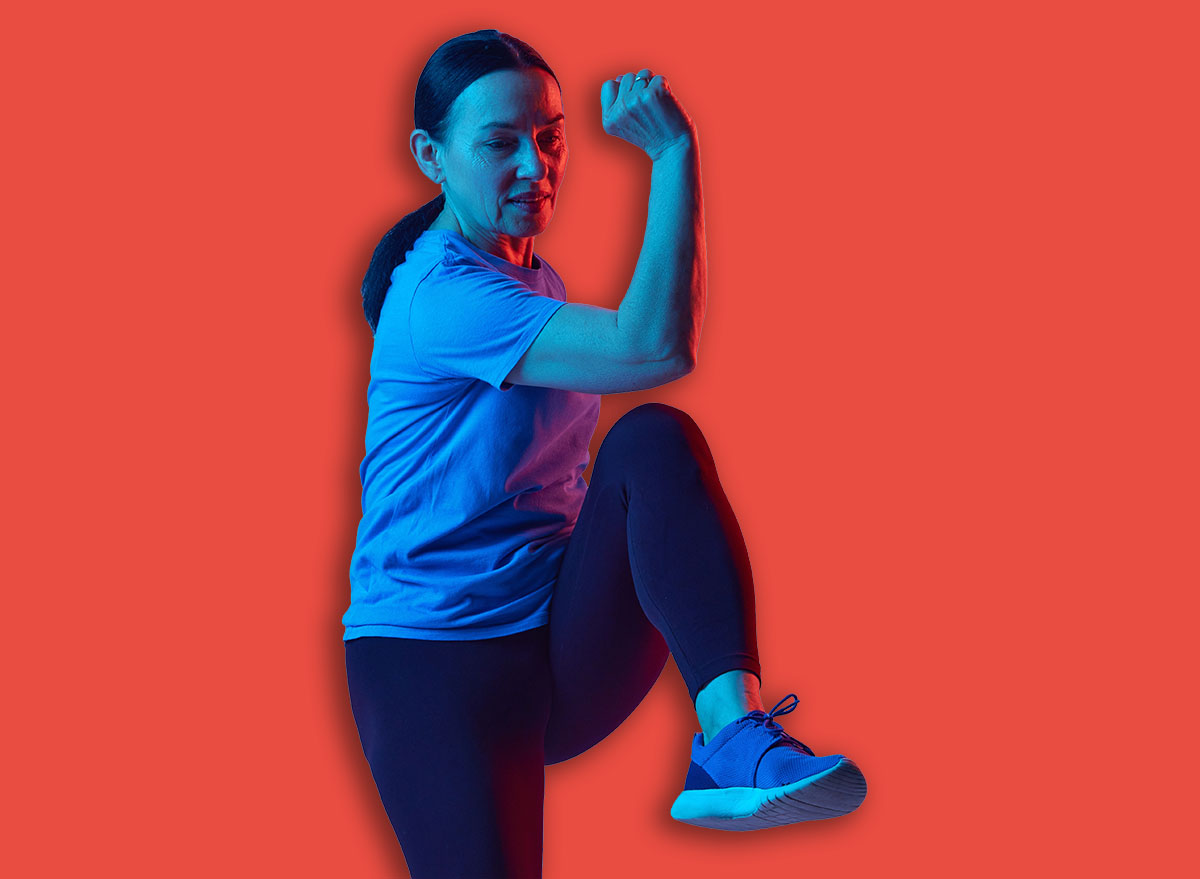
This movement locks in lower-core activation while challenging balance and posture. I use this often with clients who need to rebuild coordination and abdominal strength at the same time. Holding the knee at the top forces the core to stabilize the entire body, which creates deep engagement through the lower abs and hip flexors. When done correctly, you’ll feel the midsection working far more than during most floor exercises.
Maintaining an upright posture becomes critical here. As fatigue builds, the body wants to lean back or collapse forward. Resist that urge and keep your torso tall. That’s where the real strength develops.
How to Do It
- Stand tall with feet hip-width apart
- Lift one knee to hip height
- Hold for 2–3 seconds
- Keep core tight and posture upright
- Lower slowly and switch sides.
Minutes 2:30–5:00 — Standing Cross-Body Crunch
This exercise targets the entire abdominal wall while emphasizing rotational strength. I rely on this movement because it builds the kind of core control needed for everyday activities like turning, reaching, and walking. Bringing the elbow and knee together forces the obliques and lower abs to fire together.
Controlled movement makes all the difference. Fast reps reduce effectiveness. Slow, deliberate crunches create constant tension and better muscle activation. As the pace stays steady, the core remains fully engaged throughout the entire interval.
How to Do It
- Stand tall with hands behind your head
- Lift one knee across your body
- Bring opposite elbow toward the knee
- Return to start slowly
- Alternate sides continuously.
Minutes 5:00–7:00 — Standing Anti-Rotation Hold (Hands Press)
This final movement builds deep core stability by resisting movement rather than creating it. I use anti-rotation drills frequently because they strengthen the muscles that keep the spine stable during everyday motion. Instead of bending or twisting, the goal here involves holding tension and preventing rotation.
Press your hands together firmly in front of your chest and maintain that pressure. As you hold, your core fires to keep your torso stable. It may look simple, but when done with intent, this exercise creates deep, lasting core engagement.
How to Do It
- Stand tall with feet shoulder-width apart
- Press palms together in front of chest
- Tighten your core muscles
- Hold steady tension
- Breathe slowly while maintaining posture.