5 Standing Strength Exercises That Reverse Muscle Loss Faster Than the Gym After 45

Losing muscle after 45 feels subtle at first, stairs feel steeper, grocery bags seem heavier, and your balance shifts in ways you didn’t expect. But strength returns faster than most people think when you consistently challenge your body with movements that recruit multiple muscle groups at once. Standing exercises hit that sweet spot: they build strength, stability, and coordination without stressing your joints or requiring equipment.
Unlike traditional gym machines, standing strength work forces your muscles to support your entire body weight through every rep. That sparks more activation through your core, legs, glutes, back, and shoulders, giving you more results in less time. These movements sharpen your daily strength, boost confidence, and help you feel physically capable in every part of your life.
Below you’ll find five standing exercises that rebuild lost muscle quickly and safely. Each one fires up multiple chains of muscles, keeps your core active, and restores strength your body relies on for balance, posture, and everyday power. Move with control, breathe with purpose, and let your strength rise week after week.
Standing Hip Hinge
This movement rebuilds the backside of your body: glutes, hamstrings, and deep core muscles. Everything that is responsible for everyday power, posture, and injury prevention. The hinge pattern restores strength lost from years of prolonged sitting and helps you lift, bend, and move with far more control. With consistent practice, you’ll feel stronger through your hips and steadier on your feet.
How to Do It
- Stand tall, feet hip-width apart, core braced.
- Push your hips back while keeping your spine long and chest open.
- Lower your torso until you feel tension in your hamstrings.
- Drive through your heels to stand tall with control.
- Perform 10–15 reps.
Standing Row Pull (Band or Bodyweight Squeeze)
Even without equipment, this move reactivates neglected upper-back muscles that support posture and shoulder strength. As those muscles firm up, your upper body feels stronger, more lifted, and more balanced. This is one of the simplest ways to reverse strength loss in the back without stepping foot in a gym.
How to Do It
- Stand tall and extend both arms forward at shoulder height.
- Pull your elbows back, squeezing your shoulder blades together.
- Keep ribs stacked and avoid arching through your spine.
- Release slowly to the start.
- Perform 12–15 reps.
Split-Stance Squat
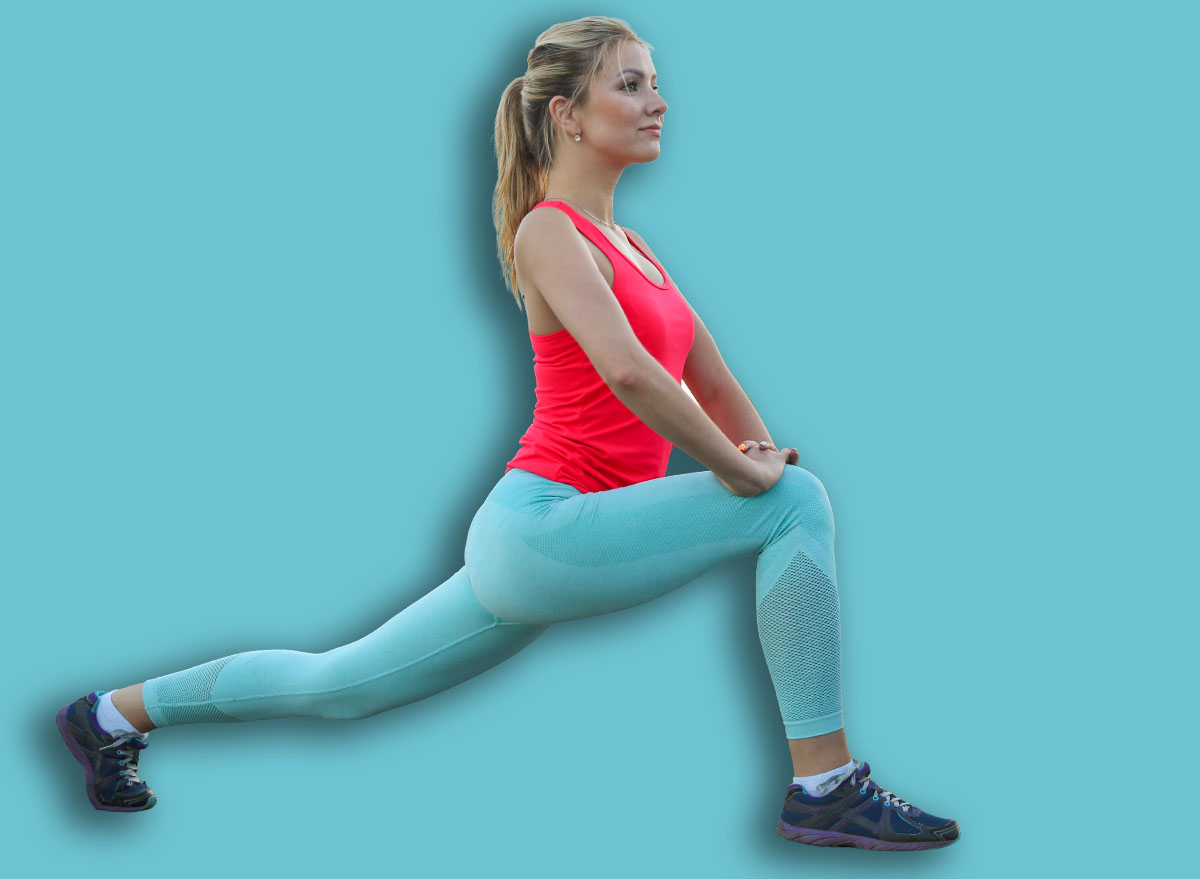
This unilateral pattern fires your quads, glutes, and stabilizers harder than a traditional squat. The offset stance brings balance, hip strength, and joint stability back online, all crucial areas that typically weaken after 45. Over time, daily tasks such as climbing stairs or rising from the floor feel noticeably easier.
How to Do It
- Step one foot forward and the other foot back into a staggered stance.
- Lower straight down, keeping your front knee aligned over your toes.
- Push through your front heel to return to standing.
- Keep your core tight to maintain balance.
- Perform 8–12 reps per side.
Standing Lateral Leg Lift
Lateral strength declines faster than forward strength as we age, which is why hip instability and balance issues become more common. This exercise restores side-body support, strengthens your glutes, and improves gait and overall lower-body function. It delivers stability gains you’ll notice quickly.
How to Do It
- Stand tall with light support from a wall or chair.
- Lift one leg out to the side without leaning your torso.
- Pause briefly at the top and lower with control.
- Keep toes pointing forward the entire time.
- Perform 12–15 reps per leg.
Standing Chest Press (Band or Bodyweight Push)
This upright push pattern strengthens your chest, arms, and core without strain on the wrists or shoulders. It restores pushing strength lost over time and improves upper-body power for daily movements like pushing doors, lifting objects, or stabilizing during sudden shifts in balance.
How to Do It
- Stand tall, arms bent at chest height as if holding a band or resisting invisible pressure.
- Press your arms forward, engaging your chest and core.
- Avoid shrugging, keep shoulders low and stable.
- Pull elbows back to the start.
- Perform 10–15 reps.