6 Supermarket Trends That Are Reshaping the Grocery Aisle in 2026
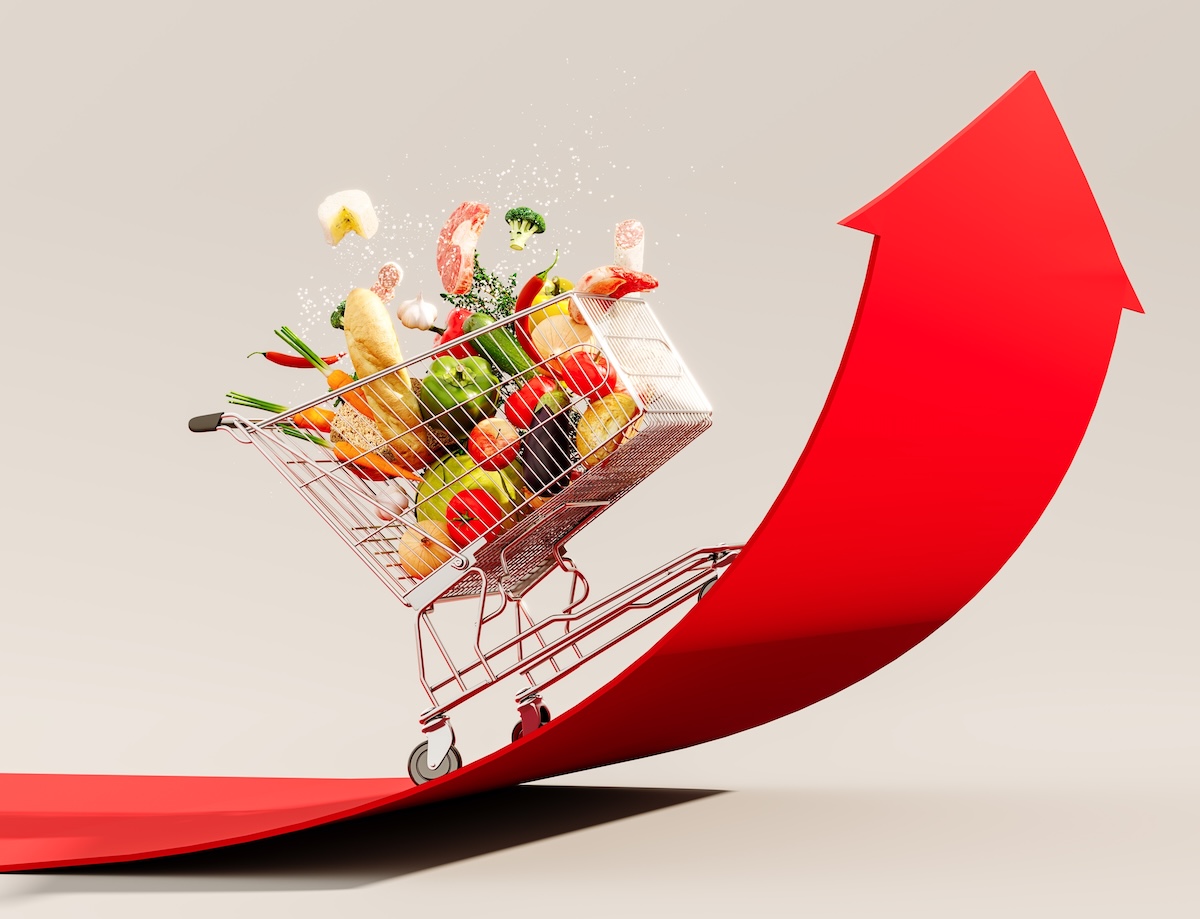

Every year, food and shopping trends shift due to a variety of factors, including food and drink prices, health trends, technology advances, and overall food preferences. This year, experts expect to see major trends that are changing the grocery shopping game. Here are 6 supermarket trends that are reshaping the grocery aisle in 2026.
Shoppers Are Relying on AI Strategies
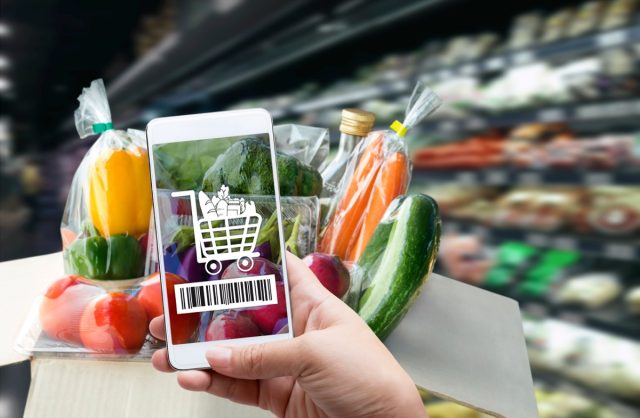
According to research, shoppers are using AI to help save money and shop efficiently. “Technology and evolving consumer lifestyles continue to reshape the shopping experience, as do the expectations, priorities and values driving purchases,” Colin Stewart, executive vice president of business intelligence at Acosta Group, told Supermarket News. According to the group, 70% of shoppers have used AI features in their buying process, a percentage that will likely increase. While shoppers use AI assistants to tailor suggestions, only 12% trust AI to make purchases for them.
Shoppers Will Spend More on Food in 2026
According to Ibotta research, despite inflation, shoppers will spend more on food in 2026. Ibotta’s third-annual State of the Spend report, based on responses from over 5,000 shoppers, projects that consumers will spend 18% more on food and 12% more on pet categories. Part of this is that people are willing to spend more on healthier items. 51% of food shoppers and 46% of beverage buyers plan to purchase more better-for-you products in 2026, even at higher prices.
Shoppers are Store-Switching and Deal-Seeking

Consumers have cemented “defensive” strategies such as store switching and deal-seeking, according to the findings. ”The findings in our State of Spend report confirm a critical shift: Value isn’t just a trend, but the center of gravity for the American consumer,” said Chris Riedy, chief revenue officer at Ibotta Inc. “Years of economic volatility have forged a new type of shopper, creating a massive opportunity for CPGs to redefine how they show up. To win in this new normal, brands can’t simply be guests in the retail ecosystem. They must move beyond traditional playbooks and use intelligent offers to meet shoppers where they are, whether on a planned trip or through spontaneous, deal-driven discovery.”
More People Are Shopping at Dollar General and Walmart
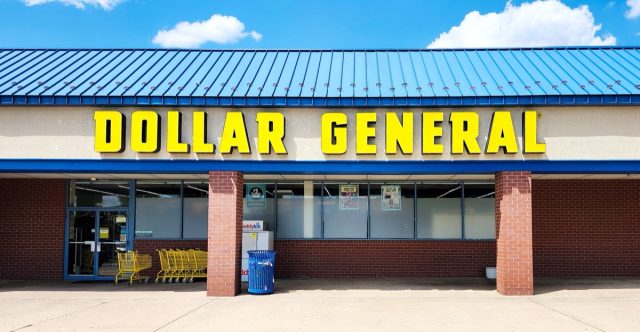
More people are switching from high-end grocery stores to value-driven outlets, including Dollar General, up 9%, and Walmart, up 5%.
And, Fewer People Are Shopping Name Brands and Switching to Store Brands
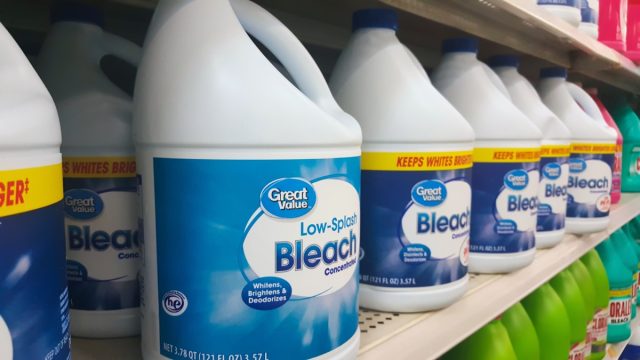
According to the findings, 62% of shoppers prioritize price over brand name. The share of consumers who believe name brands offer better quality dropped to 38% from 44% last year. As a result, 44% of shoppers say they are buying more store brands than they did last year, and 88% plan to maintain or increase their private-label purchases in 2026. Trust in private-label quality is highest in food, at 61%, and home, at 60%
Shoppers are Planning Less and Taking Advantage of Sales
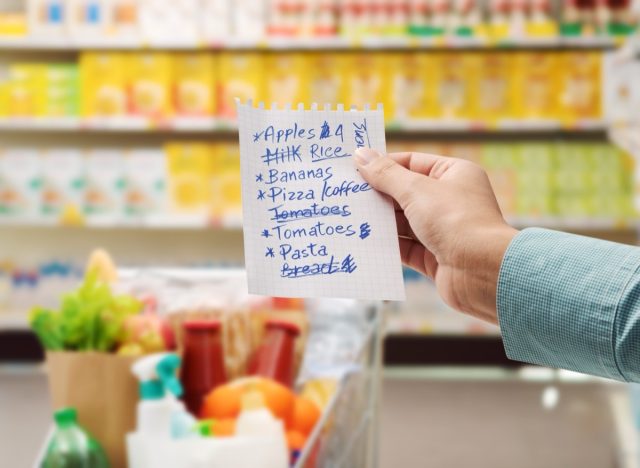
Shopping lists are becoming less common as shoppers offset inflation by being strategic and capitalizing on in-store sales, the tactic with the largest year-over-year increase in use. Nearly one-third of shoppers, 32%, now shop with only a loose idea or no plan at all. Pre-trip list-making fell to 68% from 75% in 2023.