Weight Loss Tips Experts Wish You Knew About Sooner

Chances are you are familiar with the basic weight loss (like eating more protein and eating fewer calories) but there are other, less obvious, tips that can help you shed some extra pounds too.
For example, though it might not sound like much, drinking water with your snacks and meals can help keep the weight off. This is because, in addition to keeping you hydrated, water can help make you feel full, meaning you’ll be less inclined to go back for a second serving that you don’t really need.
Another often-overlooked factor that could be impacting your ability to lose weight? Sleep. “Sleep is one of the most underrated aspects of any weight loss or wellness journey. That’s because sleep can have a domino effect on everything else you do in a day,” explains Jaclyn London, MS, RD, CDN, and head of nutrition & wellness at WW. “For example, if you’ve barely slept, it’s that much more challenging to stay active or prep food for dinner.”
She adds: “Sleep also impacts hormones that affect how physically hungry you feel on a daily basis.”
We consulted with a team of dietitians who shared additional weight loss tips they wished people knew sooner. Read on to see what the experts had to say, and for more on how to eat healthy, don’t miss 7 Healthiest Foods to Eat Right Now.
Keep track of what you eat.
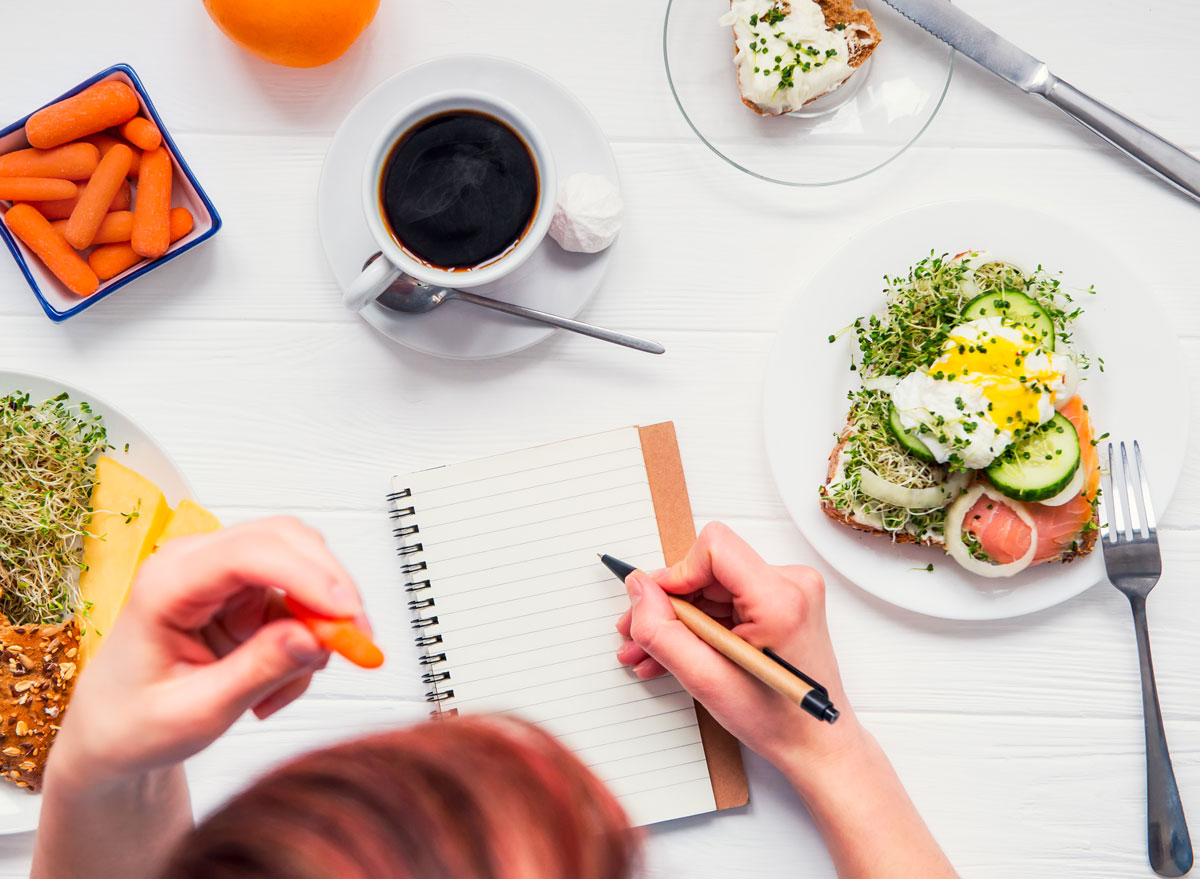
“Determine your macronutrient needs (protein, fat, carbs) and use a food tracking app to track a week’s worth of meals and compare the results to your needs,” suggests Dina Totosegis, RD, registered dietitian and founder of Sprouting Foodies. “This is a great starting point because it allows you to understand what needs improvement and what foods to add/remove to adjust your diet and create a healthy caloric deficit.”
According to Totosegis, this level of awareness can help you make tweaks to your eating regime that can save you thousands of calories in the long run. “For example, most people don’t realize how much sugar they consume daily from beverages, snacks, and processed foods, so this mindfulness can easily shave off calories when portions are adjusted or foods are replaced with healthier ones,” she says.
Meal plan and prep ahead.
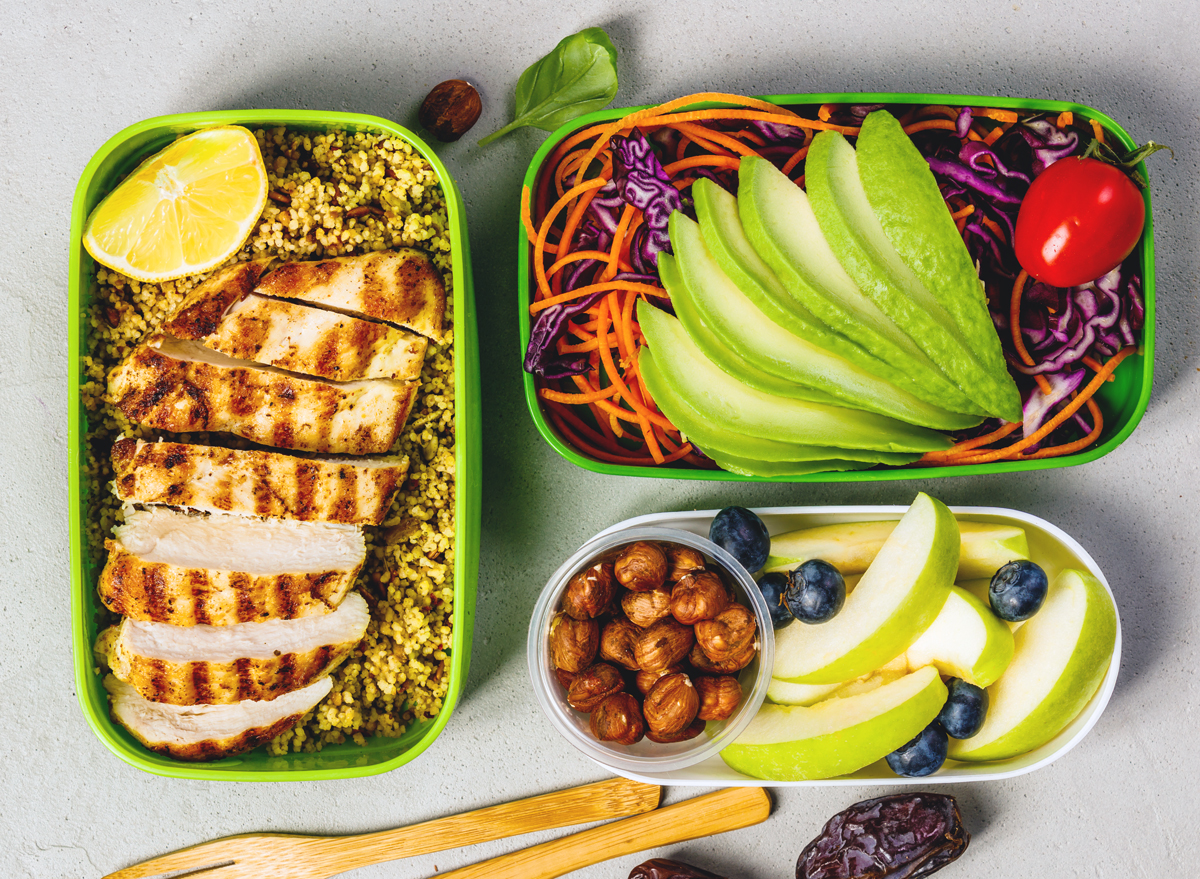
“Many individuals are actually aware of this quite early in their weight loss journey, but are unsure of how to implement it,” says Mary Wirtz, MS, RDN, CSSD, and a nutritional consultant at Mom Loves Best. “Typically, when I work with clients, I am encouraging meal planning and meal prepping on a consistent weekly basis, which often implies one to four hours per week committed to this. Washing and chopping fruits and vegetables, batch cooking a lean protein such as skinless chicken, hard boiling a pot of eggs, and pre-cooking quinoa are all examples of meal prepping to get your week started.”
Wirtz points out that there are data to suggest that planning your meals ahead of time can lead to a healthier eating regimen. “Research has suggested that the greater amount of time spent on food preparation is linked with better (higher) diet quality,” she explains.
Cook your own food.
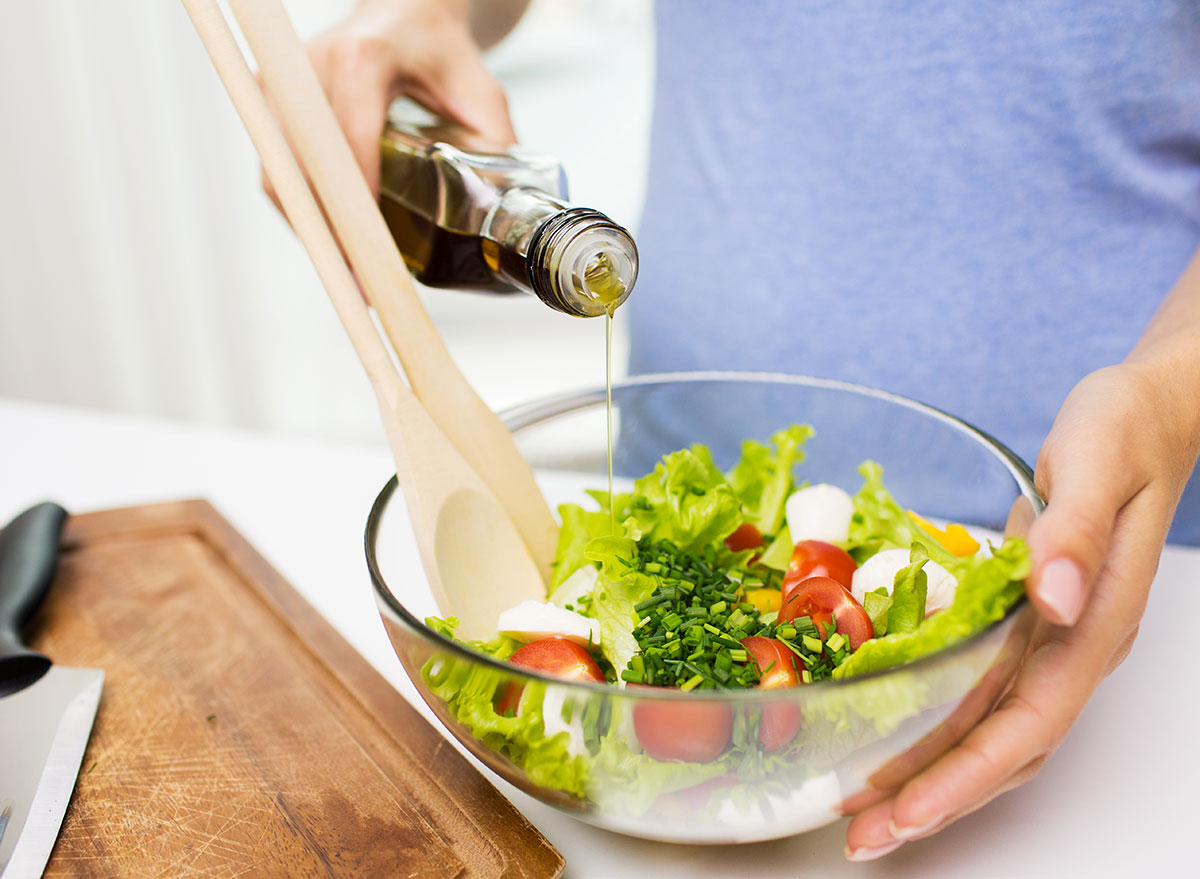
Leah Forristall, RD, LDN, points out that when you prepare your own meals and snacks at home, you have more control and a better understanding of exactly what you’re eating, which can be especially helpful if you’re trying to lose weight. “While this isn’t always an option, cooking your own meals can decrease the number of calories you’re consuming and increase things like protein and micronutrient content,” she says. “Take out food and restaurant meals are often high in calories and don’t contain a lot of vegetables. It can also be particularly difficult to estimate the calories and macronutrients you’re consuming from meals eaten out.” (Related: 101 Unhealthiest Fast Foods on the Planet.)
According to Forristall, even if the restaurant you’re ordering from lists the nutrition facts for each dish, that information isn’t always correct. “Some restaurants list the nutrition information online, however, that information isn’t always accurate. The person preparing your food isn’t likely measuring things out, which means the nutrition of your meal may vary from what is listed online,” she explains. “When you prepare your own food, you have the ability to control what you’re consuming. This means more vegetables, lean protein, and other good things like healthy fats and whole grains.”
Start small.
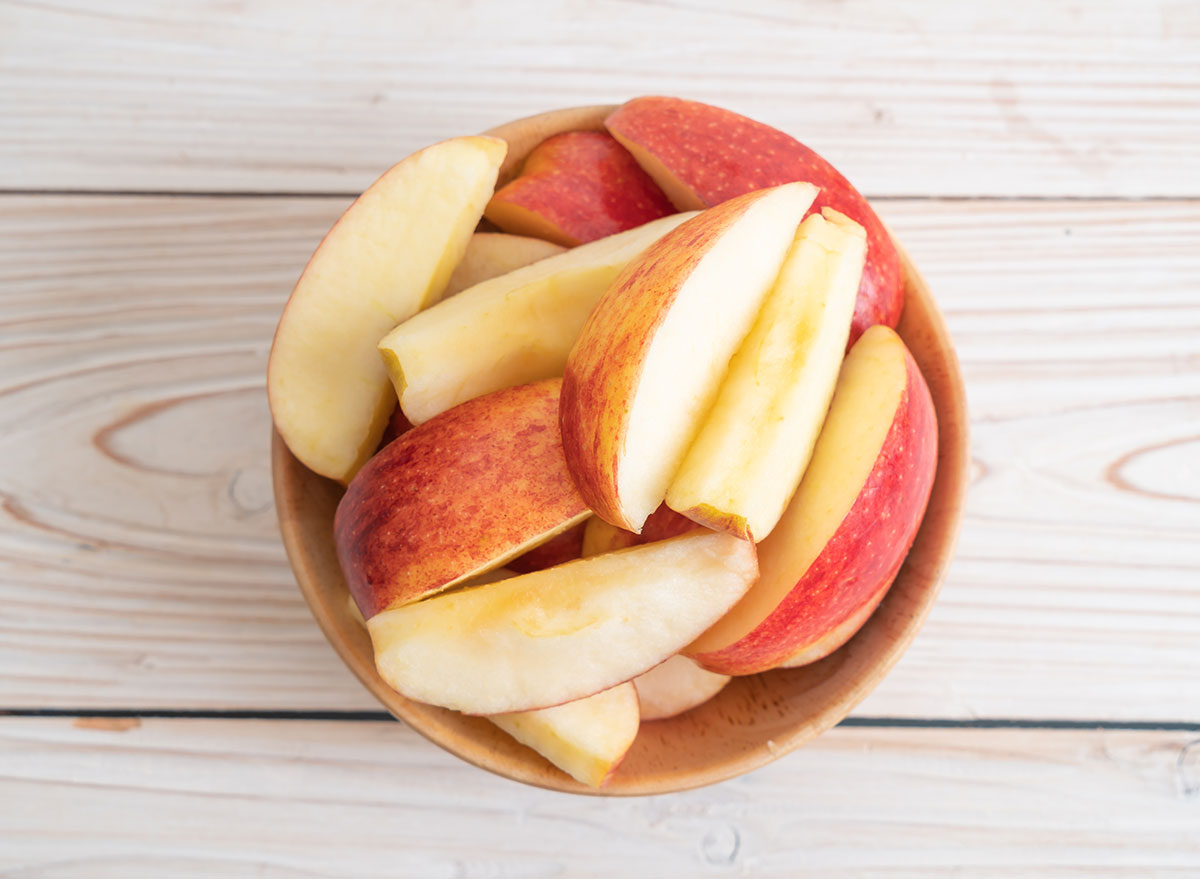
“Starting with small changes can likely precipitate changes in your lifestyle that support weight loss much earlier than trying to overhaul your entire lifestyle,” shares Wirtz. “When individuals want to overhaul their entire lifestyle too quickly, it can lead to discouragement and simply wanting to throw in the towel. Small changes such as ditching the potato chips for an apple at lunch and sneaking in a quick 15-minute walk prior to work, can add up over time.
She adds: “Research has proposed that compared to large changes, small changes are more realistic, and feasible to achieve and maintain.
Consume high-volume, low-energy foods.
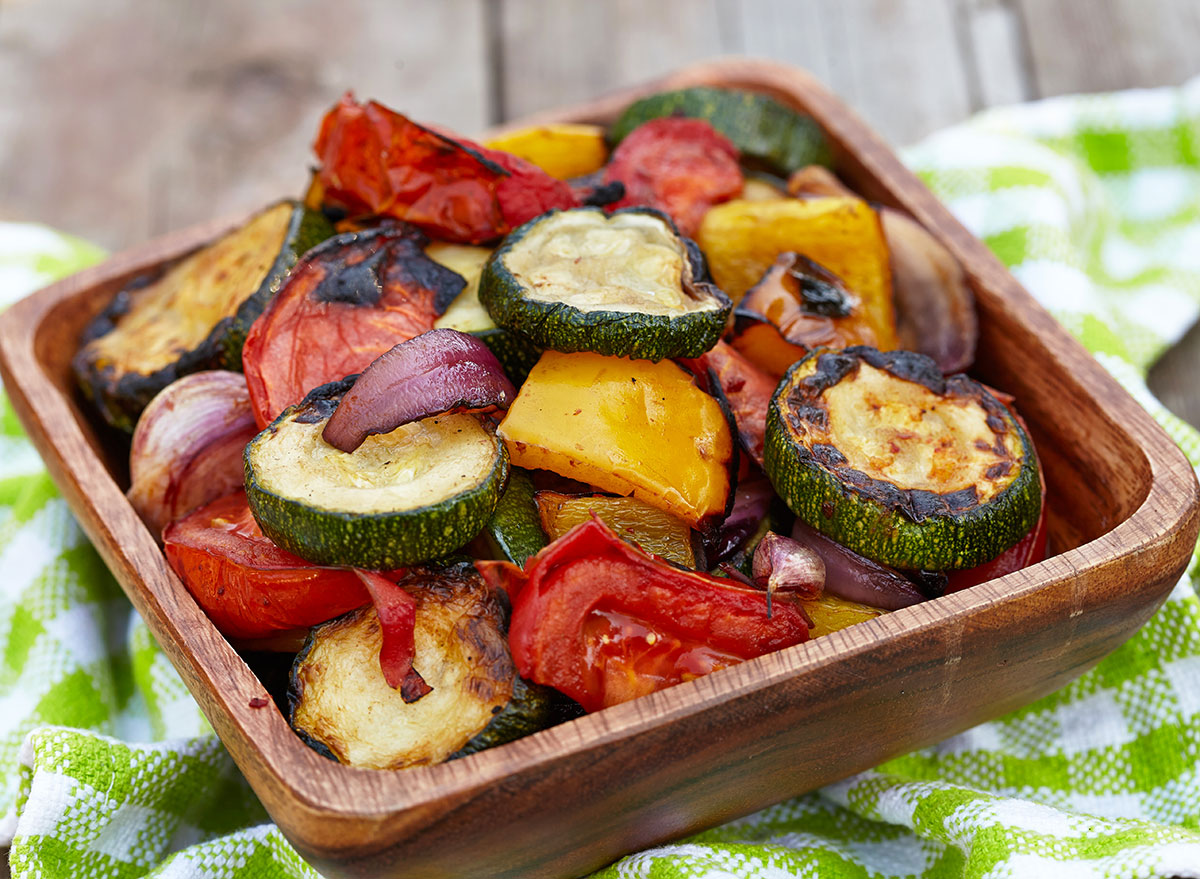
“The most important tip I wish everyone knew before starting their weight loss journey is: Pick high-volume/low-energy foods,” says Alexandra Soare, RD, a registered dietitian at Food on Mars. “Never underestimate how much fulling power these foods have. I know vegetables and fruits tend to be put on the side, but they are a key component of a successful weight loss goal.”
Eat whole foods.
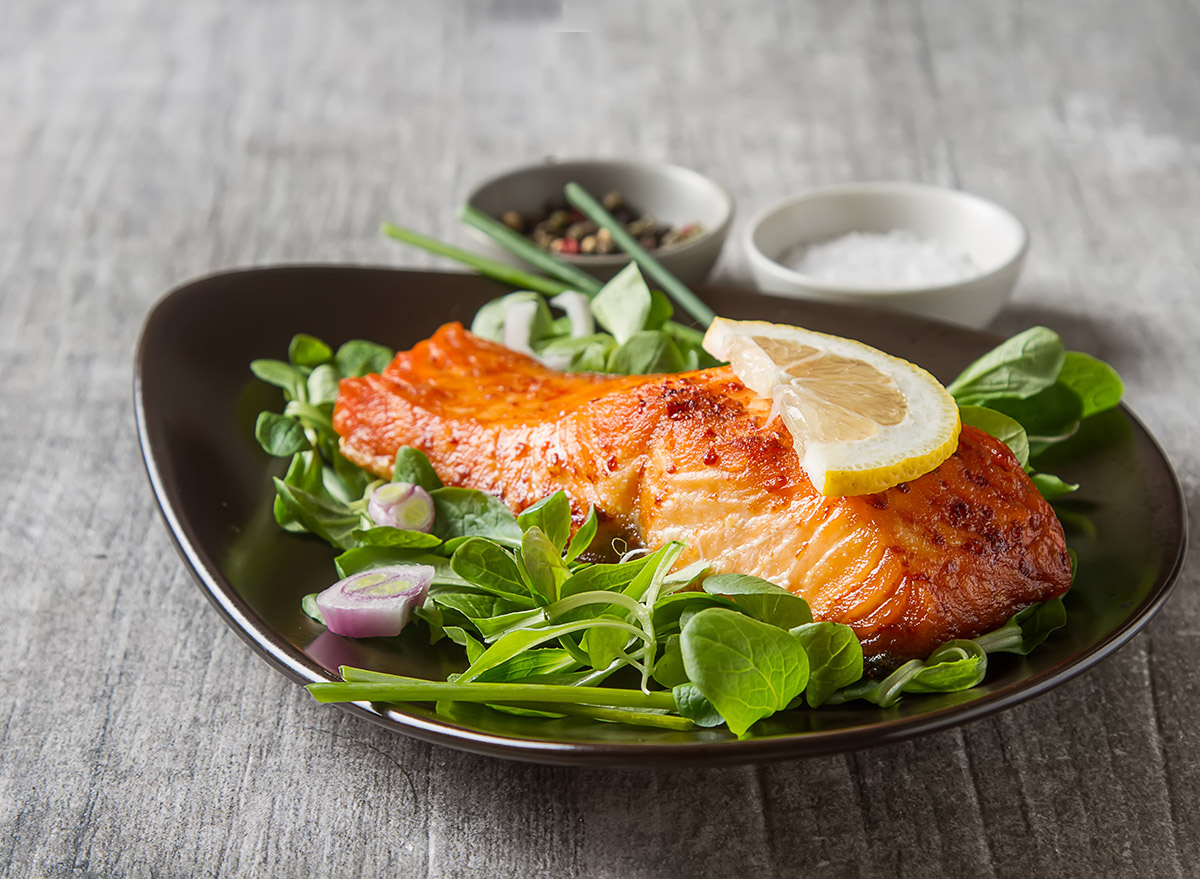
Chowing down on whole foods, coupled with keeping ultra-processed foods away from your meals, can work wonders for weight loss. “Fruits, veggies, fish, beans, and nuts are some great whole food choices,” says Lisa Young, PhD, RDN, and the author of Finally Full, Finally Slim. “All fruits and veggies are great—and a good source of fiber, so don’t worry about the sugar in watermelon and carrots.” For more, see What Happens to Your Body When You Give Up Processed Food.
And reach for those non-starchy veggies.
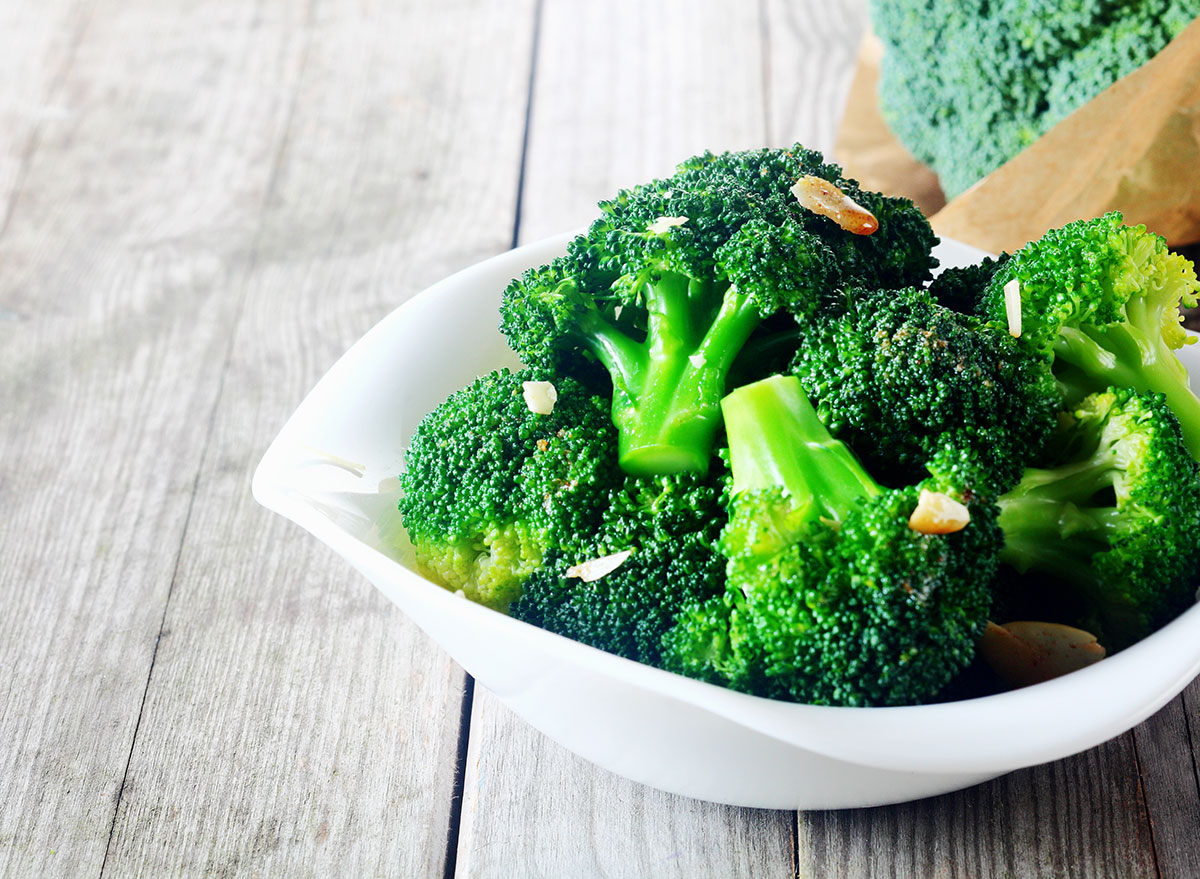
“This is the lowest calorie food group and chock full of nutrients, plus fiber to keep you full. I am always amazed at the low calorie count in veggies,” notes MyNetDiary’s registered dietitian Brenda Braslow, MS, RD. “For example, two cups of steamed broccoli has only 54 calories, three cups of raw spinach has only 21 calories, and one cup of cherry tomatoes has only 27 calories! Aim to fill half your plate with non-starchy veggies to fill up on fewer calories.”
Watch your sugar intake.
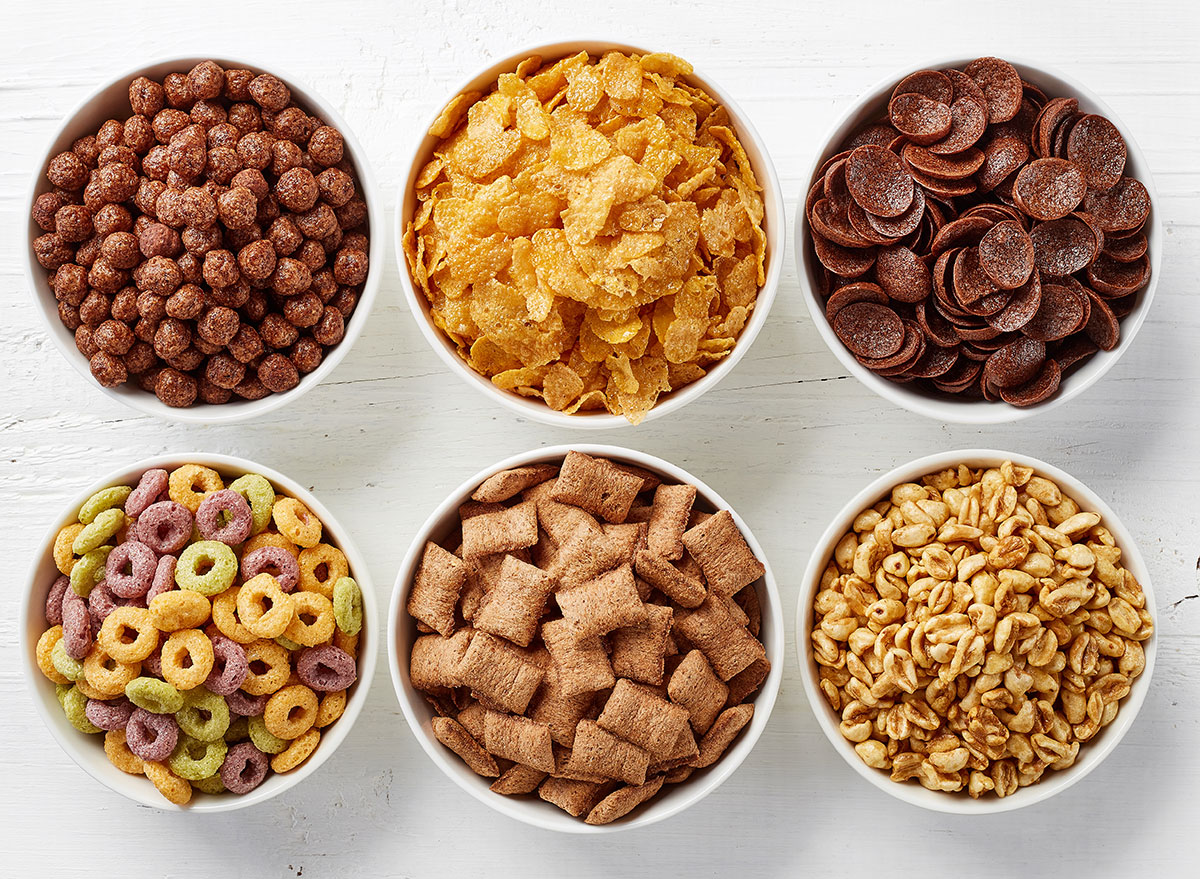
“Many foods marketed as ‘healthy’ can be loaded with added sugars,” warns Diana Gariglio-Clelland, RD, a registered dietitian with Next Luxury. “Added sugars stimulate the pancreas to release a large amount of insulin to lower blood sugars. Insulin is a fat-storage hormone, so higher insulin levels lead to more fat storage, which equates to a more difficult time losing weight.”
So what should you look out for? “Cold cereals, granola and protein bars, and yogurt are some examples of foods that can be very high in added sugar,” Gariglio-Clelland explains. “Aim to keep your added sugar intake below 24 grams per day for women and below 36 grams per day for men.” Read on: Side Effects of Giving Up Sugar, According to Science.
Make sure you’re getting enough fiber.
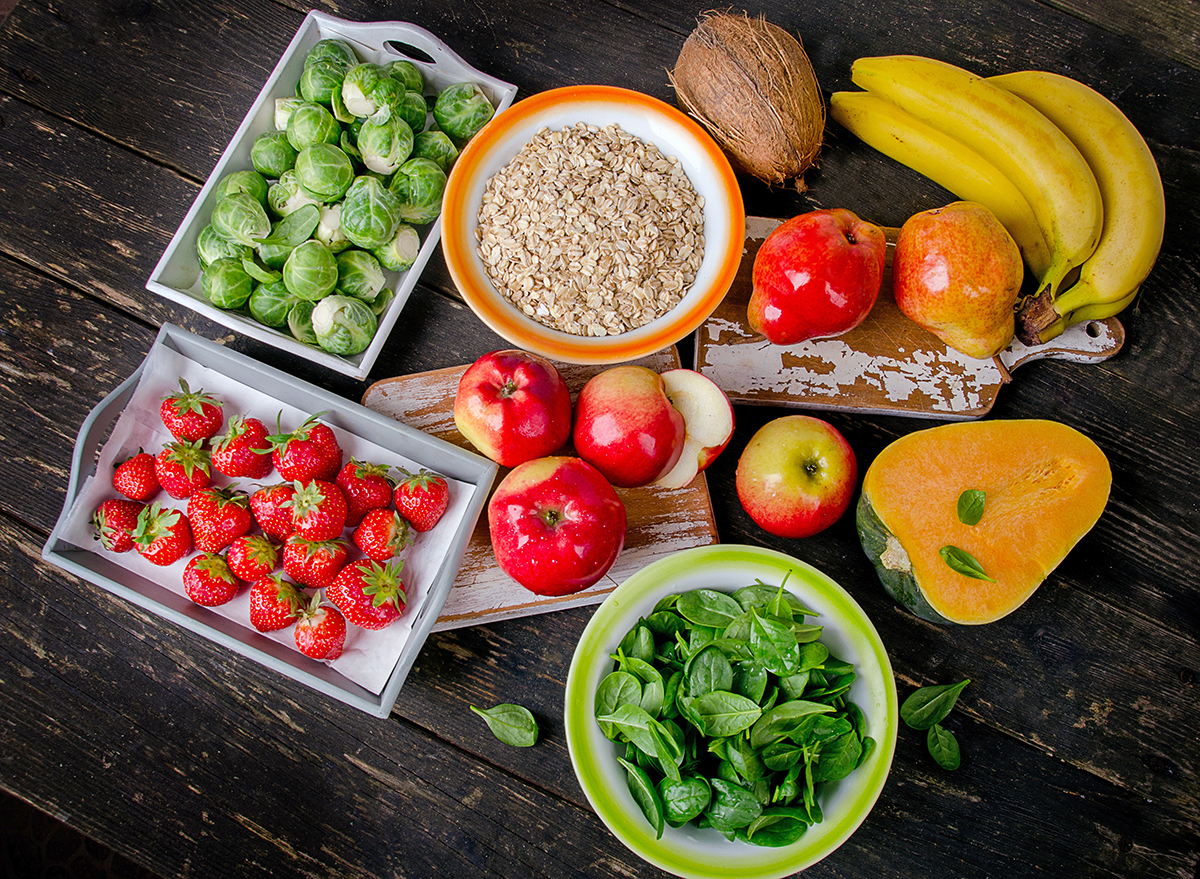
“One of the largest keys to weight loss is making sure you’re consuming adequate fiber. Most Americans don’t actually consume enough fiber throughout the day, and this can not only hinder your overall health but also your weight loss goals,” Forristall shares. “Fiber isn’t fully digested, meaning fewer calories consumed throughout the day. Plus, fiber is incredibly important for other reasons such as digestion and lowering cholesterol levels. Females should aim for about 25 grams of fiber per day and males about 28 grams.”
Stay hydrated.

“While there’s no direct link between water and weight loss, I find that in practice, most of us are confusing thirst with hunger—especially if we’ve skipped earlier meals or snacks (food provides water, too!),” explains London. “Keep water or any unsweetened beverage, including coffee and tea, in your sightline so you’re reminded to drink often.”
Beware of portion size.

“You don’t have to weigh and measure every morsel of food, but you want to be aware of how much you are eating,” advises Young. This is especially true if you’re eating at a restaurant, where it’s easy to fill up on bread before a meal, and portions tend to be quite large.
“And, eat mindfully and pay attention to hunger levels,” Young adds.
Sleep more (and better).

Believe it or not, when you sleep and how much sleep you’re getting each night can have a big impact on your ability to lose weight. “Establishing a sleep routine is a focal point in most of my client’s programs. Outside of a poor diet, it’s without a doubt the number one thing that gets in the way of their results,” notes Anika Christ, RD, a registered dietitian and personal trainer at Life Time. “Getting seven to eight hours of sleep each night is often what’s recommended, yet more than 70% of Americans don’t get that amount.”
She continues: “Sleep loss can cause all sorts of issues with your hormones, including an increase in the hunger hormone (ghrelin) and stress hormone (cortisol), as well as reduced insulin sensitivity. It’s no wonder that I see my clients’ feelings of being ‘wired and tired and out-of-control hunger or food cravings completely subside when they start getting enough sleep.” Snooze better tonight with the help of Best Supplements for Sleep, According to Experts.
Restrict restriction.
“Attempting to restrict, detox, cleanse, cut back on, or eliminate foods or food groups may ‘work’ for temporary, short-lived weight-loss. But it’s that cycle of losing and gaining weight that keeps us beholden to a never-ending hamster wheel of deprivation and frustration that makes us feel like in order to lose weight or become healthier, we have to change our entire life—which isn’t possible for most people!” London explains.
Don’t stress.

While trying to lose weight can definitely be stressful, Dr. Anam Umair, RD, a registered dietitian at Marham with a Ph.D. in therapeutic diet and nutrition, warns that you should try not to let the stress get to you, because it can actually have an adverse effect on your weight loss.
“Stress is scientifically proven to prevent weight loss,” she explains. “Stress keeps your body in a fighting mode which prevents it from focusing on anything else, including weight loss. Stress also causes the body to release cortisol hormone which triggers food cravings. This either makes it harder for you to stick to a diet or lures you out of it.”
And don’t forget to exercise.
“Include exercise, both cardio and strength training, in your weight loss plan. It can be difficult to lower the calories to create a deficit with diet alone,” says Braslow. “Adding cardio to burn calories makes it so much easier. Think of it this way: It is a lot easier to decrease your daily calorie food and beverage intake by 250 calories and burn 250 calories through exercise rather than decreasing your daily intake by 500 calories.”
She continues: “Including strength training at least two days a week helps build muscle. Muscle tissue requires more calories than body fat to maintain itself so you become more efficient at calorie burning.” To make sure you’re getting the most out of exercise, see these 14 Best Foods for Better Workout Results, According to Experts.