The #1 Worst Bread to Buy at the Grocery Store
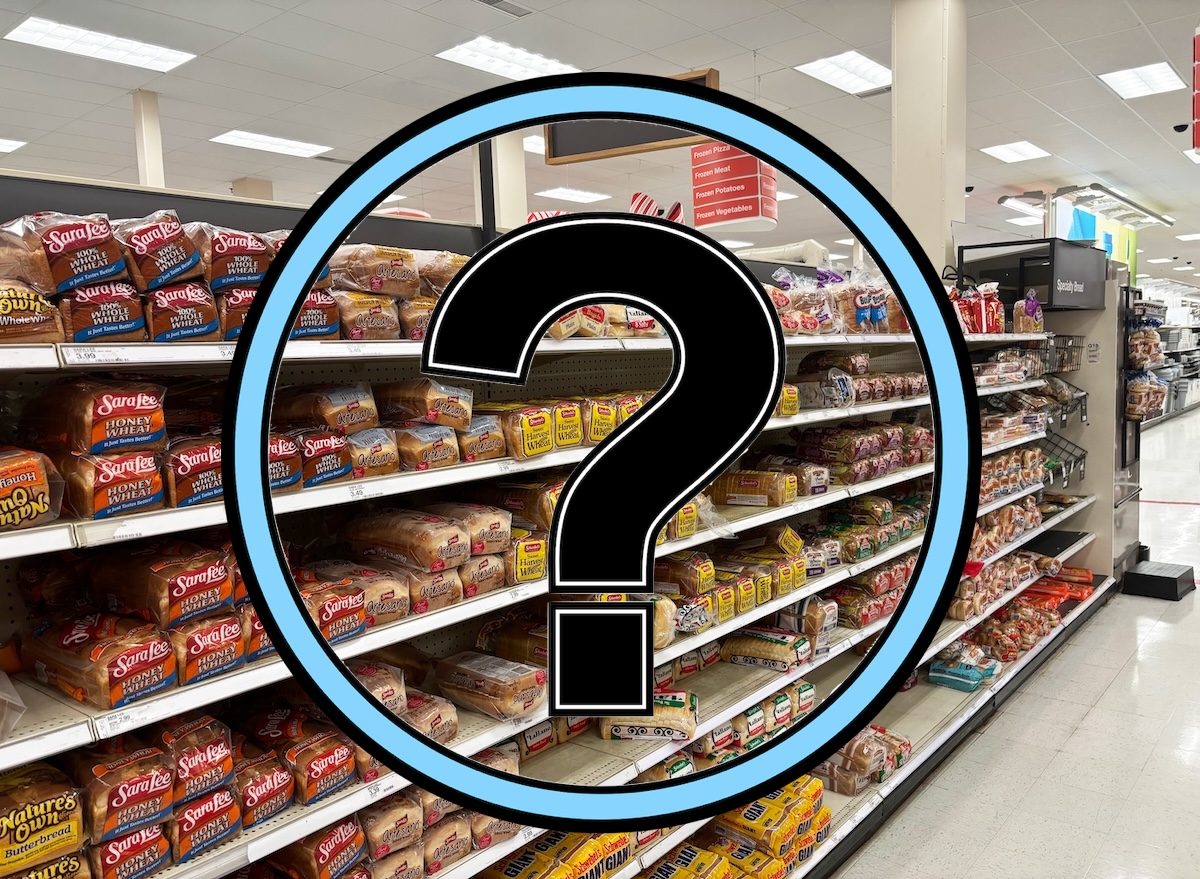

Once upon a time, the term “bread” scared anyone who was on a diet. In fact, it was one of the top items that people losing weight believed they needed to eliminate from their diet. However, if you are schooled in nutrition, you likely understand that some breads are significantly healthier than others. And, there is one in particular that might be the worst for you. Here is the #1 worst bread to buy at the grocery store.
The Unhealthiest Bread Is Made with Refined Flour
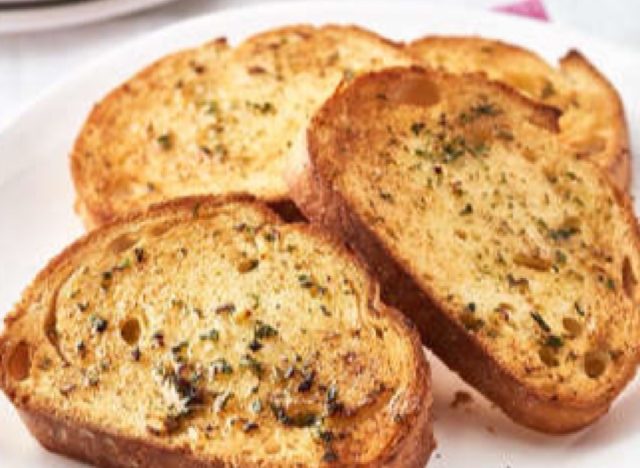
“When it comes to bread, the issue isn’t that any one type is inherently ‘bad,’ but rather what you’re getting (or missing) nutritionally,” explains Tara Collingwood, MS, RDN, CSSD, LD/N, ACSM-CPT, a Board Certified Sports Dietitian and co-author of the Flat Belly Cookbook for Dummies. The thing to look out for when contemplating a bread is if it is made with refined flour, “meaning the fiber and many nutrients have been stripped away. That can lead to faster blood sugar spikes and less satiety than whole-grain options.”
The Worst: White Bread or Texas Toast
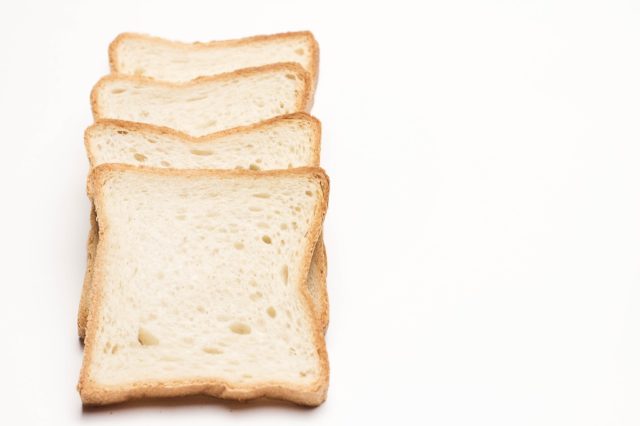
“Classic white bread is often singled out because it’s low in fiber and protein, so it doesn’t keep you full for long,” says Collingwood. “Similarly, products like Texas toast or butter bread tend to add extra saturated fat, sodium, and calories without much nutritional benefit.”
Cinnamon Raisin Bread
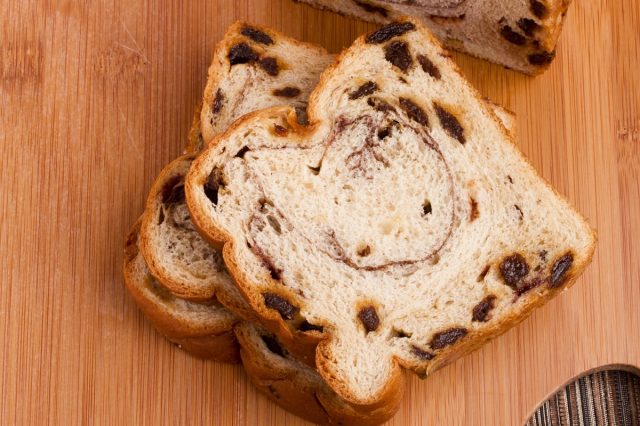
How about cinnamon raisin bread? While it might sound unhealthy, it might not be as bad as you think. “Cinnamon raisin bread can be higher in sugar, but it can still fit into a balanced diet—especially if paired with protein or healthy fats to blunt blood sugar impact,” says Collingwood.
What Kind of Bread Should You Get
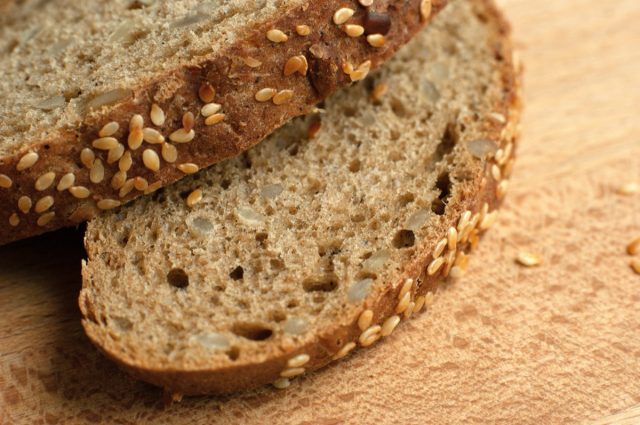
So, what is the healthiest kind of bread? “I encourage people to look for breads with at least 2–3 grams of fiber per slice, minimal added sugars, and whole grains listed as the first ingredient,” says Collingwood.
Bottom Line?
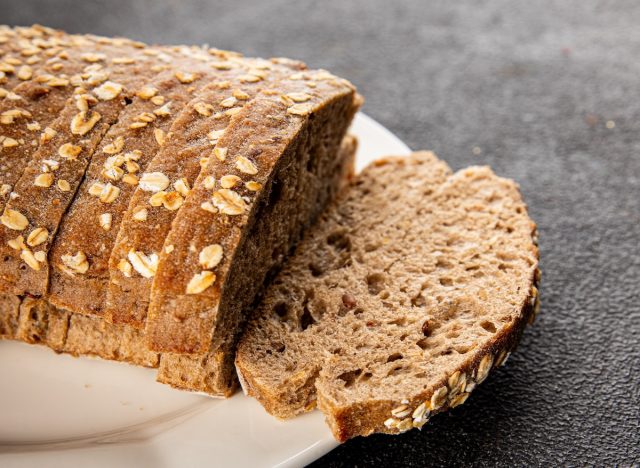
The bottom line? “Bread can absolutely be part of a healthy diet, but it’s about choosing options that offer more nutritional value and pairing them wisely with other foods at a meal,” says Collingwood.