4 Daily Chair Exercises That Rebuild Hip Strength Faster Than Floor Stretches After 60
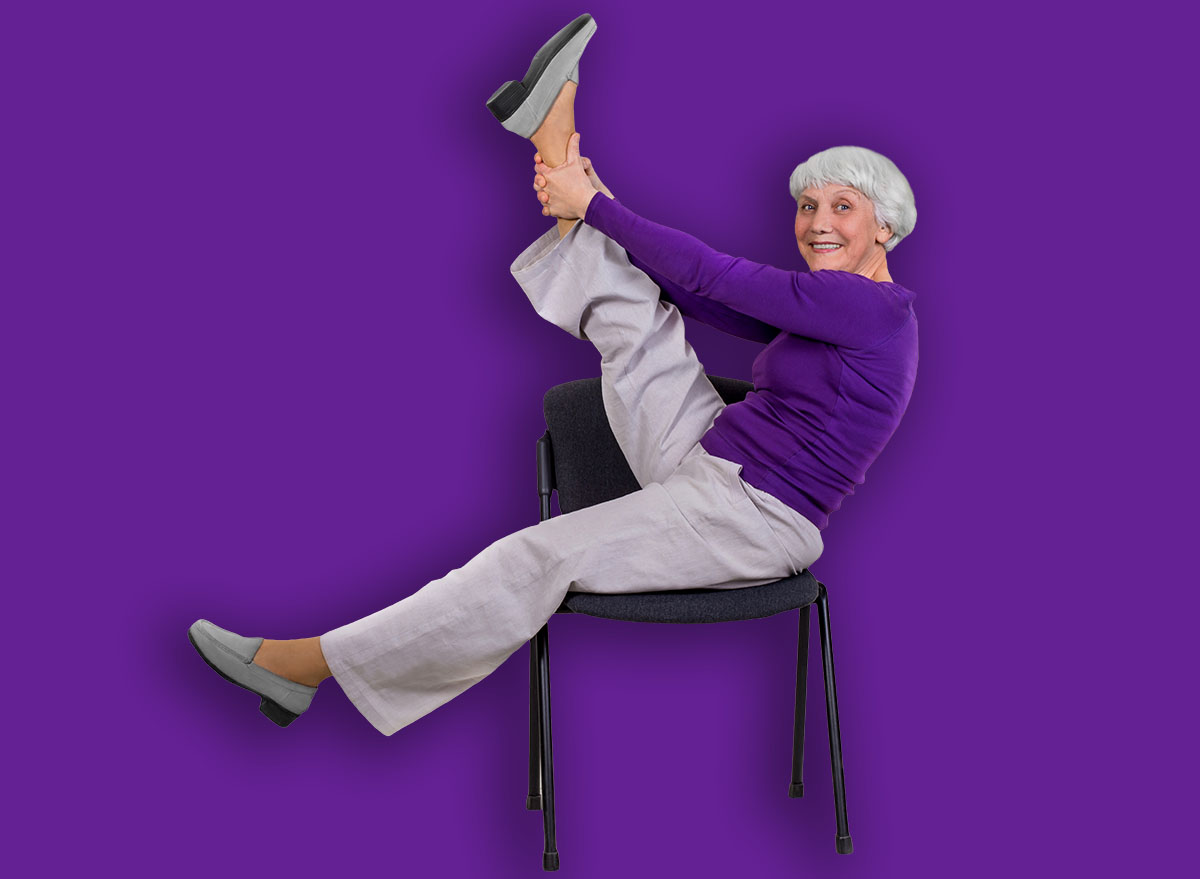

Hips do a lot of quiet work throughout the day. They help you stand up, step smoothly, shift direction, and stay balanced without having to think about it. When they feel strong, movement feels easy and fluid. A chair gives you the perfect place to build that strength without getting down on the floor or turning your routine into a big production.
Chair exercises work because they meet your body where it already is. Sitting provides support, feedback, and just enough challenge to wake up the muscles that keep your hips working well. You can focus on how your hips move and feel, rather than worrying about balance or flexibility limits. That makes it easier to stay consistent, which matters more than any single workout.
The four exercises ahead fit naturally into daily life. They’re simple, approachable, and surprisingly effective at building strength you actually use. Do them once or twice a day, pair them with your morning coffee or evening wind-down, and you’ll start to notice that standing, walking, and moving around feel smoother and more confident.
Seated Hip Abduction
This move goes after the muscles that keep your hips steady when you walk, step sideways, or change direction. If those muscles are undertrained, your hips tend to feel wobbly or overworked during simple movement. Pressing your knees outward while seated activates those stabilizers without stressing your joints. It’s simple, but your hips know exactly what to do with it.
Muscles Trained: Glute medius, glute minimus, outer hips, and hip stabilizers.
How to Do It:
- Sit tall in a chair with your feet flat on the floor.
- Place your hands on the outside of your knees.
- Press your knees outward against your hands.
- Hold the pressure briefly.
- Slowly return to the starting position.
Recommended Sets and Reps: Perform 3 sets of 12 to 15 reps. Rest for 45 seconds between each set.
Best Variations: Resistance band around the knees, longer holds, single-leg focus.
Form Tip: Keep your chest tall and don’t let your feet slide outward.
Seated Marches
Seated marches help your hips remember how to lift and control your legs smoothly. That matters more than most people think, especially for walking, stairs, and avoiding that dragging feeling with each step. Because you’re sitting, you can focus on clean movement instead of balance. It’s an easy way to make your hips feel more responsive throughout the day.
Muscles Trained: Hip flexors, quadriceps, lower core, and stabilizers.
How to Do It:
- Sit upright with both feet on the floor.
- Lift one knee toward your chest.
- Lower it with control.
- Alternate sides with each rep.
- Keep your upper body steady throughout.
Recommended Sets and Reps: Knock out 3 sets of 20 total reps. Rest for 30 seconds between each set.
Best Variations: Slower tempo, brief pause at the top, light ankle weight.
Form Tip: Lift your knee without leaning back or using momentum.
Sit to Stand
Standing up from a chair is one of the most practical strength tests your hips face every day. This exercise builds strength exactly where you need it, using a movement your body already understands. Each rep reinforces power, control, and confidence without complicated cues. When this gets easier, nearly everything else feels easier too.
Muscles Trained: Glutes, hamstrings, quadriceps, and hip stabilizers.
How to Do It:
- Sit near the edge of a chair with your feet planted.
- Lean forward slightly from your hips.
- Press through your heels to stand up.
- Fully straighten your hips at the top.
- Sit back down with control.
Recommended Sets and Reps: Perform 3 sets of 8 to 12 reps. Rest for 60 seconds between each set.
Best Variations: Hands-free reps, slower lowering, elevated chair height changes.
Form Tip: Think about pushing the floor away with your feet.
Seated Hip Hinge Reach
This exercise teaches your hips how to move forward and back with control. It helps your glutes and hamstrings share the workload, rather than letting your lower back take over. Practicing the hinge from a chair keeps it comfortable while still building useful strength. Over time, reaching, bending, and standing up start to feel more natural again.
Muscles Trained: Glutes, hamstrings, lower back, and core stabilizers.
How to Do It:
- Sit tall with your feet shoulder-width apart.
- Hinge forward slightly at your hips.
- Reach your hands toward your shins.
- Squeeze your glutes to sit back upright.
- Move slowly and with control.
Recommended Sets and Reps: Perform 3 sets of 10 to 12 reps. Rest for 45 seconds between each set.
Best Variations: Longer reach, slower tempo, light weight held at chest.
Form Tip: Keep your spine long and hinge from your hips, not your back.
The Best Tips for Rebuilding Hip Strength After 60

Strong hips respond best to frequent practice and smart movement choices. You don’t need long sessions or intense workouts to see progress. Small, daily efforts add up faster than occasional hard days.
- Train daily: Light chair exercises done most days keep your hips active and responsive.
- Move with control: Slower reps build strength and joint awareness.
- Stay upright: Good posture helps your hips do their job rather than shifting the work elsewhere.
- Build confidence first: Feeling stable leads to better movement and better results.
- Progress gradually: Add reps or time before increasing difficulty.
Stick with these chair exercises, and your hips will feel stronger, steadier, and more reliable where it matters most.
References
- Lanza, Marcel B., et al. “Systematic Review of the Importance of Hip Muscle Strength, Activation, and Structure in Balance and Mobility Tasks.” Archives of Physical Medicine and Rehabilitation, vol. 103, no. 8, 2022, pp. 1651–1662. https://doi.org/10.1016/j.apmr.2021.12.008
- Klempel, Natalie et al. “The Effect of Chair-Based Exercise on Physical Function in Older Adults: A Systematic Review and Meta-Analysis.” International journal of environmental research and public health vol. 18,4 1902. 16 Feb. 2021, doi:10.3390/ijerph18041902