4 Chair Exercises That Restore Thigh Muscle Faster Than Gym Sessions After 60
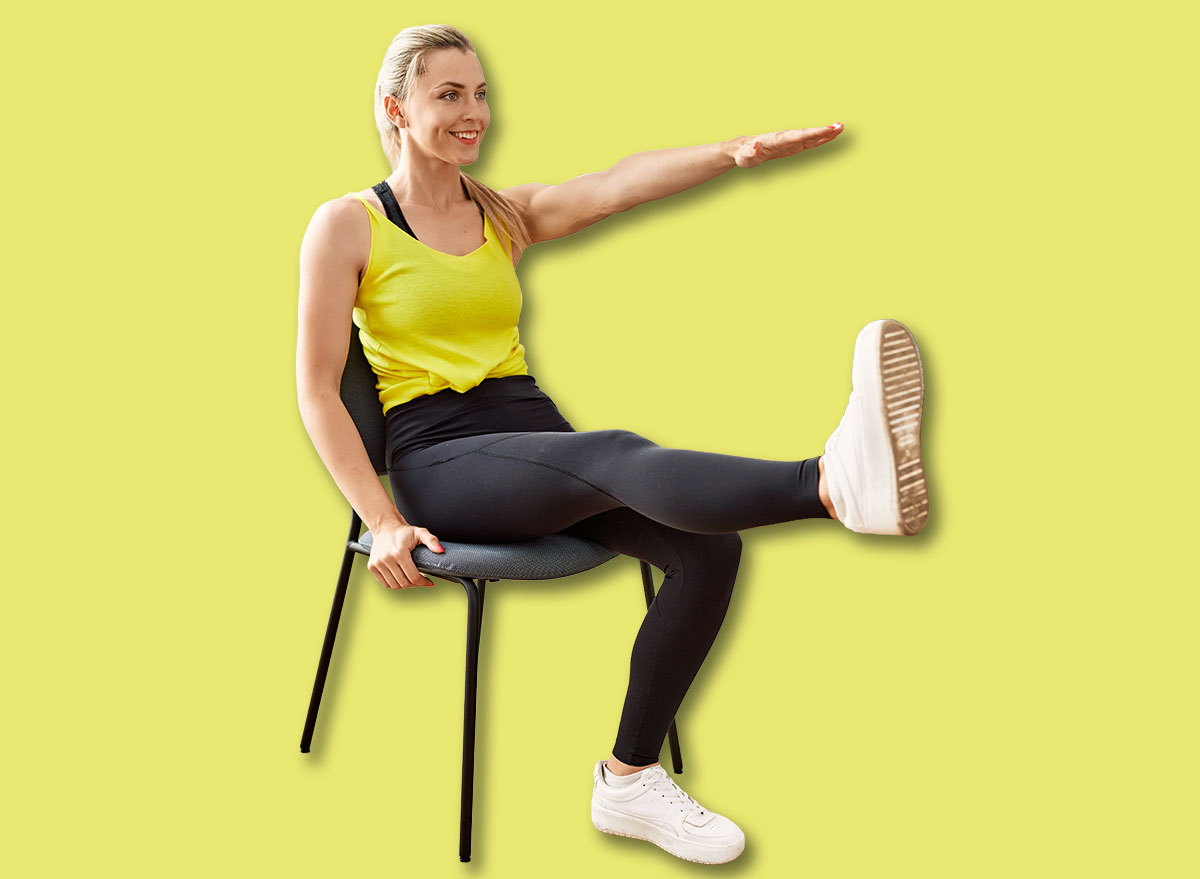

A sturdy chair can do a lot more than give you a place to sit. It can become a simple strength station for rebuilding your thighs, improving leg control, and making daily movement feel more powerful. After 60, stronger thighs can make stairs, walks, getting up from low seats, and long days on your feet feel far more manageable.
Gym sessions can absolutely build leg strength, but a chair routine has one major advantage: it makes repetition easy. You can train in your living room, kitchen, office, or wherever you have a stable chair and a little room to move. That convenience creates more opportunities to put quality work into your legs throughout the week.
Thigh strength comes from giving your quads, glutes, and hamstrings enough tension to adapt. You do not need a complicated setup to create that. Controlled lowering, pauses, single-leg work, and purposeful reps can make bodyweight chair exercises feel far more challenging than they look.
I use chair-based lower-body work often because it gives people a clear reference point for good movement. The chair helps set depth, supports balance when needed, and lets the legs do the real work. These four moves build strength in a way that feels approachable, productive, and easy to carry into everyday life.
Sit-to-Stand
Sit-to-stands train your quads, glutes, hamstrings, and core through one of the most useful movements in daily life. Each rep asks your thighs to control the lowering phase, then push your body back to standing with strength. The chair provides a consistent depth target, making it easier to focus on clean reps and steady progress.
Muscles Trained: Quadriceps, glutes, hamstrings, core.
How to Do It:
- Sit near the front edge of a sturdy chair with your feet flat on the floor.
- Place your feet about hip-width apart.
- Brace your core and lean your chest slightly forward.
- Press through your feet to stand tall.
- Push your hips back and lower toward the chair with control.
- Tap the chair lightly and repeat.
Recommended Sets and Reps: Perform 3 sets of 10 to 15 reps. Rest for 45 to 60 seconds between each set.
Best Variations: Higher-chair sit-to-stands, tempo sit-to-stands, pause sit-to-stands.
Form Tip: Keep your feet planted and stand by driving through your whole foot.
Chair Hover Squat
Chair hover squats maintain tension in your thighs by having you stop just above the seat rather than fully sit down. Your quads and glutes stay active through the entire rep, while your core helps keep your torso steady. This variation gives the legs more time under tension and can make a simple bodyweight squat feel much more productive.
Muscles Trained: Quadriceps, glutes, hamstrings, core.
How to Do It:
- Stand in front of a sturdy chair with your feet shoulder-width apart.
- Brace your core and keep your chest lifted.
- Push your hips back and lower toward the chair.
- Stop an inch or two above the seat.
- Hold the hover for one to two seconds.
- Press through your feet to stand tall.
Recommended Sets and Reps: Perform 3 sets of 8 to 12 reps. Rest for 45 to 60 seconds between each set.
Best Variations: Slow hover squats, longer hover holds, bodyweight squats.
Form Tip: Keep your knees tracking with your toes as you lower.
Chair-Supported Split Squat
Chair-supported split squats give each thigh more individual work while the chair helps you stay balanced. This exercise strengthens the quads and glutes on the front leg while also teaching your hips to stay steady through the rep. The support lets you focus on depth, control, and strong leg drive without rushing the movement.
Muscles Trained: Quadriceps, glutes, hamstrings, hips, core.
How to Do It:
- Stand a short step in front of a sturdy chair.
- Place one hand lightly on the chair back for support.
- Step one foot back into a split stance.
- Bend both knees and lower straight down.
- Press through your front foot to return to standing.
- Complete all reps, then switch sides.
Recommended Sets and Reps: Perform 3 sets of 8 to 10 reps per side. Rest for 45 to 60 seconds between each set.
Best Variations: Short-range split squats, assisted reverse lunges, tempo split squats.
Form Tip: Let your front leg create the lift as you return to standing.
Seated Leg Extension Hold
Seated leg extension holds give your quads direct work while keeping you supported by the chair. Holding the leg straight creates steady tension through the front of the thigh, which can help rebuild strength and improve knee control. This is a great finisher after the standing exercises because it lets you target the quads without adding more balance demand.
Muscles Trained: Quadriceps, hip flexors, core.
How to Do It:
- Sit tall near the front edge of a sturdy chair.
- Place both feet flat on the floor.
- Brace your core and straighten one leg in front of you.
- Tighten your thigh at the top of the movement.
- Hold for a few seconds.
- Lower your foot with control and switch sides.
Recommended Sets and Reps: Perform 3 sets of 8 to 12 reps per side with a 2 to 3-second hold at the top. Rest for 30 to 45 seconds between each side.
Best Variations: Longer holds, slower leg extensions, alternating leg extensions.
Form Tip: Sit tall and squeeze the front of your thigh as you straighten your knee.
How to Build Thigh Strength With Chair Exercises After 60

Chair exercises work best when you treat them as strength training rather than simple movement breaks. Use controlled reps, stay aware of your posture, and make the final few reps feel like real work.
- Slow down the lowering phase: Take 2 to 3 seconds to lower into sit-to-stands, hover squats, and split squats. More control creates more tension in the thighs.
- Use pauses strategically: A short hover above the chair or a brief hold during leg extensions adds challenge without needing extra equipment.
- Train both legs evenly: Split squats and leg extensions give each side its own work. This helps build strength and confidence from one leg to the other.
- Progress in small steps: Add a few reps, extend the pause, lower more slowly, or reduce your hand support as the exercises get easier.
- Repeat the routine often: Two to four sessions per week can build a strong foundation for more powerful legs and smoother daily movement.
A chair gives you an easy place to start, but your thighs still do the work. Build the habit, make each rep deliberate, and your lower body will have more strength to keep doing everything you want.
References
- Frith E, Loprinzi PD. The Association between Lower Extremity Muscular Strength and Cognitive Function in a National Sample of Older Adults. J Lifestyle Med. 2018 Jul;8(2):99-104. doi: 10.15280/jlm.2018.8.2.99. Epub 2018 Jul 31. PMID: 30474005; PMCID: PMC6239135.
- Klempel N, Blackburn NE, McMullan IL, Wilson JJ, Smith L, Cunningham C, O’Sullivan R, Caserotti P, Tully MA. The Effect of Chair-Based Exercise on Physical Function in Older Adults: A Systematic Review and Meta-Analysis. Int J Environ Res Public Health. 2021 Feb 16;18(4):1902. doi: 10.3390/ijerph18041902. PMID: 33669357; PMCID: PMC7920319.