6 Chair Exercises That Restore Walking Strength Faster Than Gym Workouts After 60
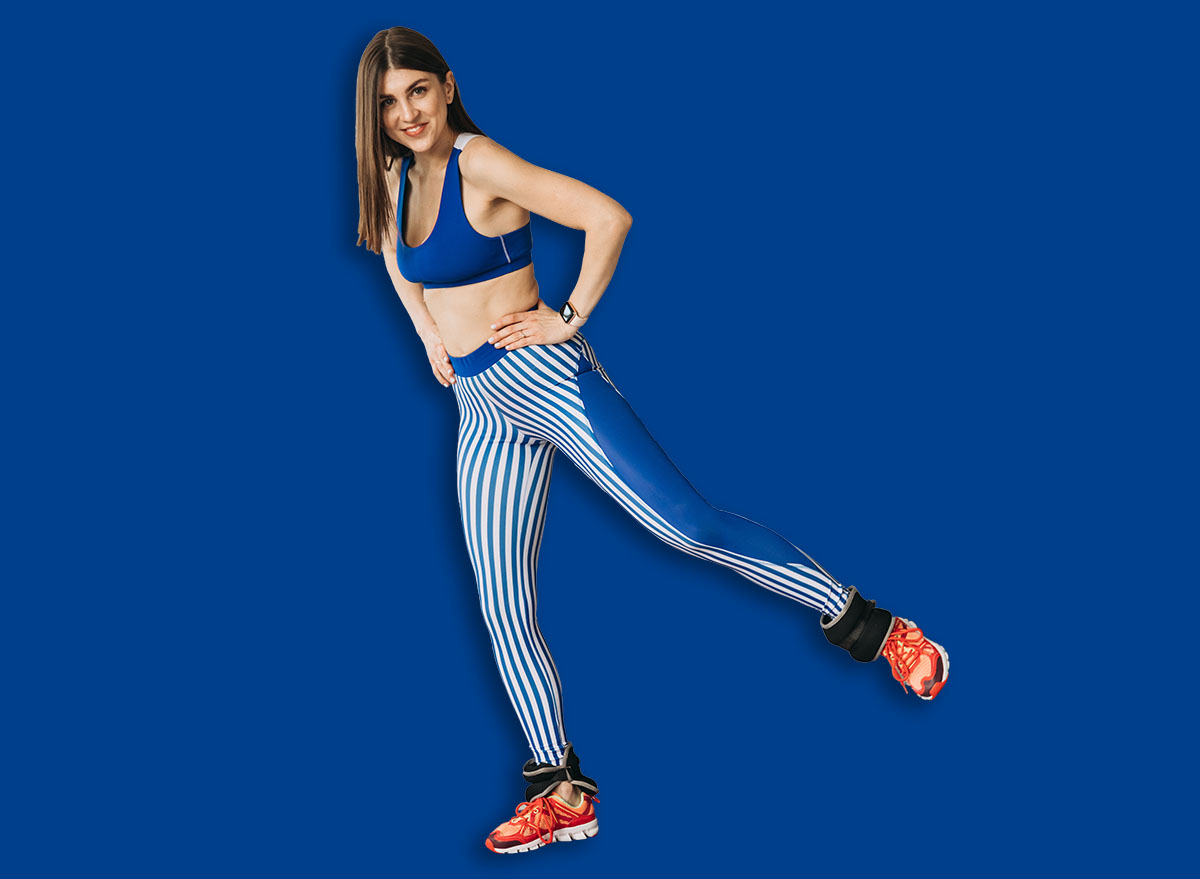

If you head to the gym for a regular workout routine, kudos to you. After all, aging brings on many changes to your body, and it’s essential to get ahead of them. One key priority to address that will keep you active and independent is walking strength. Strong, stable legs keep you balanced, support seamless daily movement, and prevent falls. We spoke with Jacob Siwicki, founder and head coach of Siwicki Fitness, NCSF and AFAA certified, former top 1% globally ranked Equinox group fitness instructor (2019), Dartmouth economics graduate and former Dartmouth football player, fitness expert on FOX 5 DC, ranked #1 personal trainer in D.C. in 2021, who shares six chair exercises that can help restore walking strength faster than gym workouts after 60.
“Walking slips with age mostly because we lose muscle. It starts in our 30s and picks up speed after 60. But the bigger culprit is power, meaning how fast you can produce force. Power goes before endurance does. So somebody can walk plenty for exercise and still quietly lose the snap in their step and their balance. Sitting all day shuts the glutes down on top of it. Point being, even active people lose walking strength unless they’re actually training strength, not just racking up miles,” explains Siwicki.
Walking ability is a major deal because it’s one of the most essential single predictors of overall health and how long you’re able to remain independent.
“Researchers half-jokingly call it the sixth vital sign. How fast and steady you walk says a lot about your muscle, balance, and heart all at once. Once the walk starts to go, falls and losing your independence usually aren’t far behind. Protect the walk, protect the independence,” Siwicki adds.
Below, he shares six chair exercises to add to your routine.
Sit-to-Stand
- Begin seated at the front of a sturdy chair, feet under your knees.
- Lean forward just a bit.
- Try to stand up without using your knees, hands, or additional support.
- Use control to slowly sit back down.
Seated Marches
- Begin seated on a chair with your feet placed hip-width apart on the floor.
- Gently draw your lower belly inward.
- Slowly lift one knee up to hip height.
- Lower.
- Alternate sides in a “marching” fashion.
Knee Extensions
- Begin seated at the front of a sturdy chair with your feet placed on the floor under your knees.
- Lean forward slightly.
- Try to stand up without using your knees, hands, or additional support.
- Use control to slowly sit back down.
Calf Raises
- Begin by standing tall with your feet hip-width apart, facing a sturdy chair with your hands lightly resting on the backrest for support.
- Engage your core.
- Rise onto your toes slowly.
- Hold for 2 to 3 seconds at the top.
- Lower back down with control.
Standing Side Leg Lifts
- Begin by standing tall with your feet hip-width apart and hands placed on your hips or holding onto a sturdy chair or wall for extra support.
- Activate your core as you shift your weight onto your left leg.
- Keep your right leg straight and toes pointed forward as you lift it out to the side as high as you’re comfortably able to.
- Hold at the top for a moment before lowering.
- Repeat on the other side.
Standing Hip Kickbacks Holding the Chair
- Begin standing tall behind a sturdy chair, feet hip-width apart, holding onto the back for support.
- Shift onto one leg.
- Keep your working leg straight and kick it straight behind you.
- Squeeze your glute at the top.
- Use control to lower.
- Repeat on the other side.