4 Daily Exercises That Restore Grip Strength Faster Than Dumbbells After 60
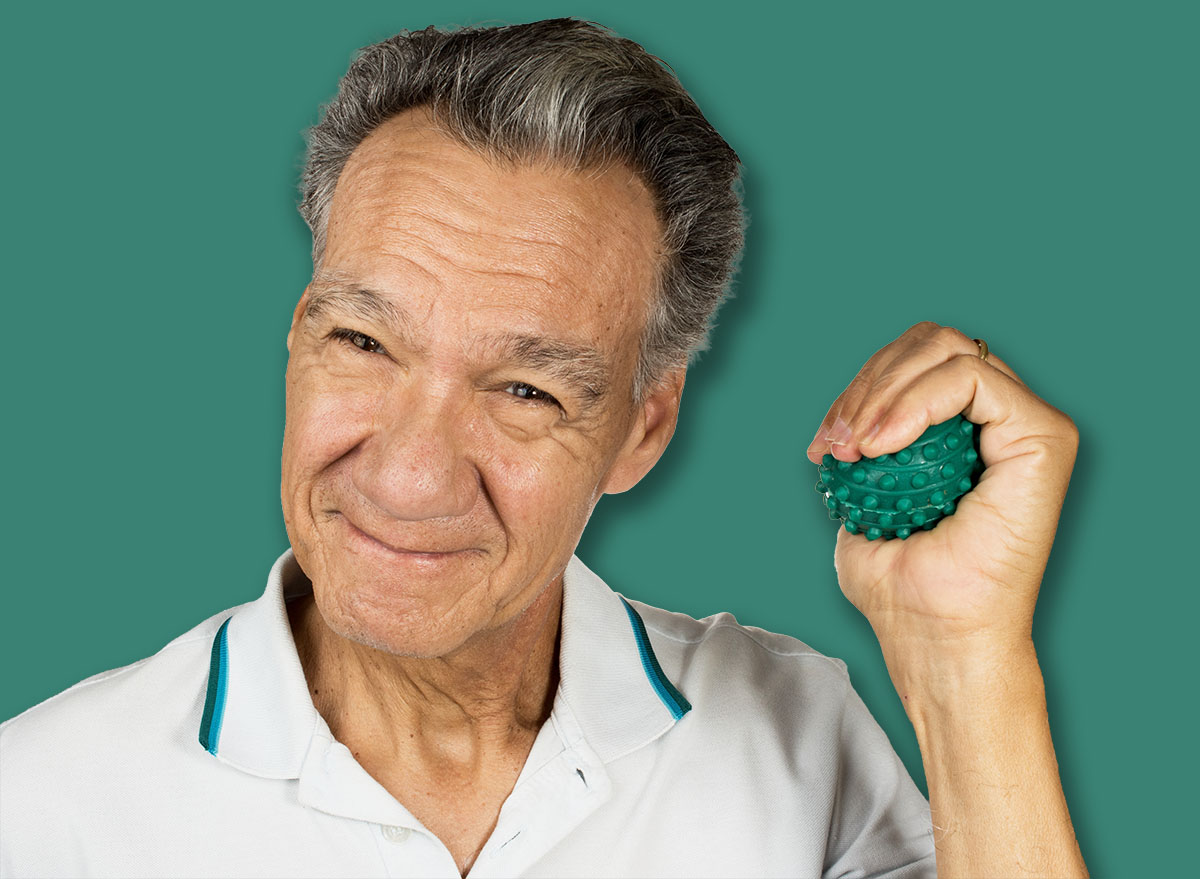

Grip strength is one of the most useful and overlooked measures of overall health after 60. It tends to slip without anyone noticing until you can’t open a jar, and by then, most people have lost more than they realize. I’ve been a personal trainer for almost 40 years and have spent the last 20 training the next generation of fitness professionals at TRAINFITNESS.
The good news is that grip is one of the quickest things to come back, and you don’t need dumbbells to rebuild it. These four exercises can help you restore that strength using nothing more than a towel, a book, and a shopping bag.
Why Grip Strength Matters After 60
The most common pattern I see is a loss of strength across everything the hand has to do at the same time. People can usually still make a fist, but holding a heavy frying pan, opening a jam jar, turning a stiff tap or carrying a full shopping bag becomes a real effort. Thumb weakness from years of wear, especially in women who’ve raised children and done a lot of repetitive hand work, is another common issue, and it’s the bit that makes everyday tasks suddenly feel hard.
The reason grip matters so much goes beyond opening jars. Grip strength is one of the strongest predictors of healthy aging we have. People with weak grips have a higher rate of falls, slower recovery from illness, and a shorter life expectancy than people the same age with strong grips.
That isn’t because the hands themselves matter so much; it’s because grip is a window into the overall muscle health of the body. A strong grip is a flag for a body that’s been used, and a body that’s been used keeps going.
There’s also the practical side. Falls in older adults often come down to whether the hand can catch a banister or grab a worktop in time. A weak grip slips off. A strong grip holds, and you stay upright.
Why Simple Beats Dumbbells
Three reasons. The first is that the hand needs to be trained in more than one pattern, and dumbbells really only work the crush grip, where you wrap your hand around something. Pinching with the thumb, holding a sustained weight, and twisting are all separate skills that need their own work.
The second is that daily practice beats hard but rare practice for the hand. The tendons and small muscles of the forearm respond very well to short, frequent stimuli and are easy to overdo with heavy dumbbells. A few minutes a day rebuilds tissue tolerance gradually, whereas a heavy weekly session can leave the wrists sore and put you off.
The third is that simple equipment lets you train at the level your hand can handle today, rather than the dumbbell that happens to be in the cupboard. A rolled flannel can be squeezed for a hundred reps. A 4kg dumbbell often can’t be lifted for ten.
Tennis Ball or Towel Squeeze
This trains the crush grip, the most familiar pattern and the one most easily lost. It builds the muscles that fire when you hold a bag handle, a railing or a steering wheel. Done daily, it also feeds blood into the hand tendons, which tend to dry out with age and inactivity.
Muscles Trained: Finger flexors, forearm flexors
How to Do It:
- Hold a tennis ball, a rolled flannel or a stress ball in one hand
- Squeeze hard for 3 seconds
- Release slowly over 2 seconds
- Aim for 12 to 15 squeezes on one hand, then swap
- Do 2 to 3 rounds per side
Avoid These Mistakes:
- Don’t hold your breath, which always tightens the wrong muscles
- Don’t squeeze so hard that the shoulder tenses up around the ears
- Don’t go too fast, which trains nothing.
Book Pinch Hold
This trains the pinch grip, the strength between the thumb and fingertips. This is the part of the hand that fails first in arthritis, and the part dumbbells almost completely ignore. Pinch strength is what lets you hold a phone, a fork, or a small grandchild’s hand without effort.
Muscles Trained: Thumb adductors, finger flexors
How to Do It:
- Pick up a hardback book or a small chopping board, fingers on one side and thumb on the other, palm facing inwards
- Hold for 20 seconds, keeping the wrist straight
- Rest for 20 seconds
- Repeat 3 to 5 times per hand
- Use a heavier book or a thicker item as you get stronger
Avoid These Mistakes:
- Don’t let the book rest against the body to take the load off
- Don’t bend the wrist down under the weight
- Don’t hold for so long the thumb cramps. Build the time gradually.
Towel Wring
This trains the forearm rotators that twist a tap, open a stiff jar lid, or wring out a wet cloth. These muscles get almost no daily challenge after retirement, so they’re often the weakest part of the whole arm by 60.
Muscles Trained: Forearm rotators (pronators and supinators), wrist flexors
How to Do It:
- Take a hand towel and roll it lengthwise
- Soak it in water if you can, which adds resistance and gives the hands something to grip
- Hold one end in each hand at chest height
- Wring the towel in opposite directions, as if twisting water out of it
- Hold the wring for 3 seconds at the end of the range
- Reverse direction
- Do 10 wrings each way
Avoid These Mistakes:
- Don’t twist at the shoulders, rather than the forearms
- Don’t hunch the upper back as you twist
- Don’t squeeze so hard at the start that you can’t finish the set.
Shopping Bag Carry
This trains sustained grip strength, the ability to hold a load for a meaningful length of time. This is the missing piece in most grip programs. You can squeeze a ball quickly all day long and still find a full kettle hard to lift if you’ve never trained the hold itself.
Muscles Trained: Forearm flexors, finger flexors
How to Do It:
- Fill a sturdy shopping bag with something heavy. A few tins, a bag of potatoes, or a couple of bottles of water work well
- Stand tall with the bag in one hand, arm by your side
- Walk slowly around the kitchen or hallway for 30 to 60 seconds, or stand still if balance is an issue
- Swap hands and repeat
- Do 2 to 3 holds per side
Avoid These Mistakes:
- Don’t let the shoulder hike up under the load. Keep the shoulder relaxed and pulled gently down
- Don’t bend sideways at the waist to compensate
- Don’t use a bag with a thin, biting handle. Thicker handles are easier on the fingers, but train both if you can.
How to Fit This Into Your Week

The whole sequence takes about six minutes. Run it once a day if you can, or split it throughout the day if that suits you better. Squeeze the ball while watching the news, pinch the book while the kettle boils, do the towel wring in the kitchen, and carry the shopping bag on your way to put something away.
If a daily session feels too much to begin with, three to four times a week is a fine starting point. The hands respond very quickly, even at this frequency, which is what makes grip so satisfying to train.
Aim for a rest day every seven to ten days, especially in the first month. The forearms aren’t used to this much focused work, and a deliberate day off lets them rebuild.
Working Around Arthritis or Injury
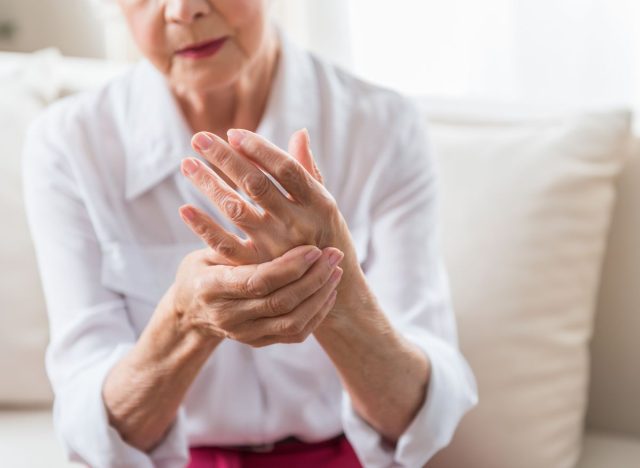
Arthritis in the hand needs gentle, frequent work rather than hard sessions. Warm the hands first. A bowl of warm water or a flannel held under a warm tap for a minute makes a real difference to what the joints will tolerate. Stick to the squeeze and the towel wring at first, both of which are easier on the joints than the pinch and the carry.
If you have a previous wrist or thumb injury, swap the pinch for a wider hold on the book, using all four fingers and the heel of the thumb together rather than the fingertips. This still trains the grip but takes the load off the bit that’s been damaged.
For everyone, sharp pain means stop. A steady muscle pull, even a strong one, is fine. A sharp catch or a hot ache in a joint is the body asking you to back off. Reduce the load, the duration, or the range and try again tomorrow.
What to Expect in 4 to 6 Weeks

Two weeks in, you should notice jars opening more easily, kettles feeling lighter, and the shopping carry from car to kitchen being less of a chore. The early gains in grip are mostly neural, the brain recruiting more fibres in the muscles you already have, and they come fast.
By 4 to 6 weeks, the actual muscle in the forearms starts to thicken slightly, and you’ll both see and feel the difference. Forearms that look strong are something most adults haven’t seen on themselves in years.
A simple way to check progress is to time a hang from a sturdy doorway pull-up bar or even the back of a heavy wooden door at the start, and then again at four weeks. Doubling your time is common in the first month. If a hang isn’t suitable, time how long you can hold a heavy shopping bag in one hand against a stopwatch, then repeat the same bag a month later.
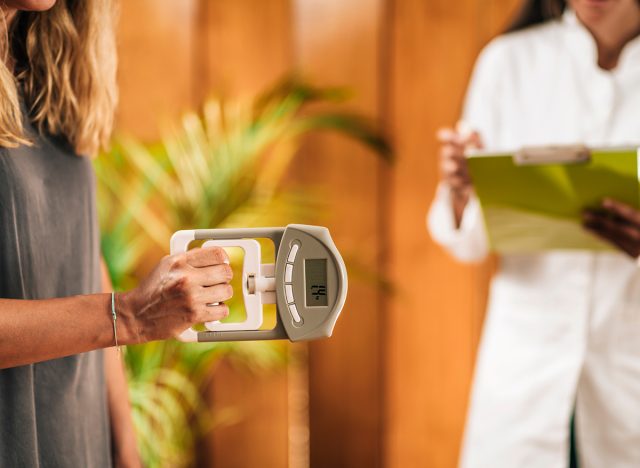
The gold standard test is a hand dynamometer, the squeezing device GPs sometimes use. They cost around twenty pounds online and give you a number you can track. For most people the shopping bag works just as well.