5 Morning Exercises That Build Knee Strength Faster Than Gym Workouts After 55
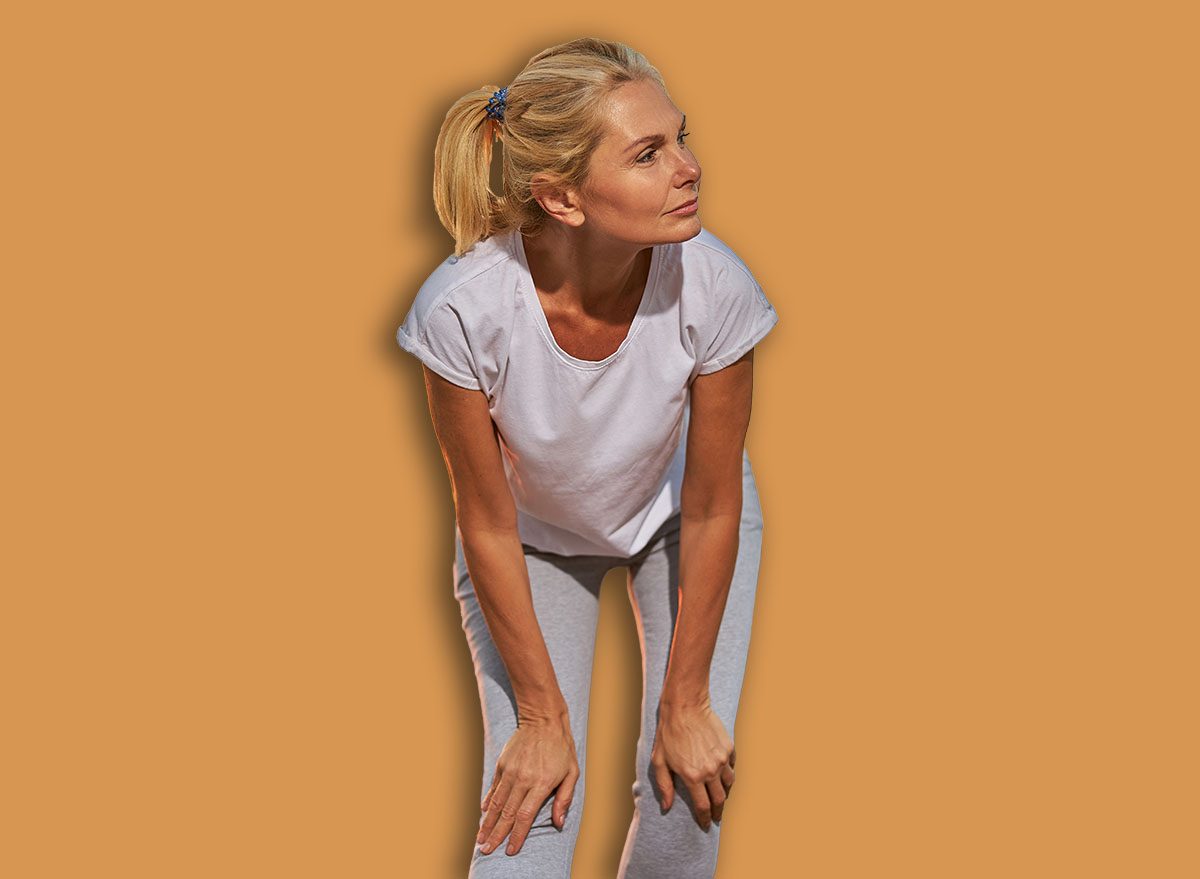

Knee strength becomes increasingly important after 55 because the knees absorb force during nearly every daily activity. Walking, climbing stairs, standing from chairs, carrying groceries, and maintaining balance all depend on healthy muscles supporting the knee joint. Many adults notice growing stiffness and weakness around the knees as they age, often leading them to believe the joints themselves have become the problem. In reality, weak muscles surrounding the knees frequently contribute more to discomfort and instability than the joints alone.
Many people head straight to the gym hoping to rebuild knee strength through machines and resistance equipment. While those tools have their place, they often isolate muscles instead of improving the coordinated movement patterns that protect the knees during everyday life. Morning exercises offer a practical alternative by waking up the legs, increasing circulation, and strengthening the muscles that stabilize the knees before daily activity begins. Consistent morning movement also helps reduce stiffness that accumulates overnight.
The five morning exercises strengthen the quads, glutes, calves, and hips that support healthy knee function. Each movement improves stability and lower-body control while remaining gentle enough for regular practice. Perform them consistently, and your knees will feel stronger, steadier, and more capable throughout the day.
Sit-to-Stand Squats
Few exercises strengthen the muscles surrounding the knees more effectively than sit-to-stand squats. This movement trains one of the most important actions performed every day while strengthening the quads, glutes, hips, and core simultaneously. Many adults over 55 rely heavily on their arms when standing, which gradually reduces lower-body strength and places more stress on the knees. Sit-to-stands restore proper leg engagement while improving balance and coordination. The chair provides support and confidence while allowing the muscles to work through a practical range of motion. Consistent practice often leads to noticeable improvements in stair climbing and walking endurance.
How to Do It
- Sit near the front of a sturdy chair
- Place your feet shoulder-width apart
- Lean slightly forward
- Press through your heels
- Stand up smoothly
- Fully straighten your hips
- Lower slowly back into the chair
- Perform 10 to 15 repetitions.
RELATED: The 6-Minute Morning Routine That Restores Posture Faster Than the Gym After 60
Standing Calf Raises
Strong calves play a major role in protecting the knees during walking and standing. Many adults focus exclusively on the thighs while neglecting the muscles below the knee that contribute to balance and lower-leg stability. Calf raises strengthen the calves and ankles while improving circulation throughout the lower body. The movement also helps improve push-off strength during walking, reducing unnecessary stress on the knees. Adults over 55 often notice better stability and smoother walking mechanics after adding calf training consistently. The exercise remains simple yet highly effective for lower-body strength development.
How to Do It
- Stand tall with feet hip-width apart
- Hold a chair or wall for balance if needed
- Press through the balls of your feet
- Lift your heels upward slowly
- Pause briefly at the top
- Lower with control
- Maintain tall posture
- Perform 15 to 20 repetitions
Seated Leg Extensions
The quadriceps serve as one of the primary support systems for the knees. Weak quads often contribute to instability, slower movement, and reduced confidence during daily activity. Seated leg extensions strengthen the front of the thighs directly while improving knee control and muscular endurance. Unlike many gym machines, this exercise allows complete control over speed and range of motion without excessive joint loading. Adults over 55 frequently experience stronger stair-climbing ability and improved walking endurance after adding quad-focused training regularly. Slow controlled repetition maximizes muscular engagement throughout the movement.
How to Do It
- Sit tall in a sturdy chair
- Keep your feet flat on the floor
- Slowly straighten one leg
- Tighten the thigh muscles at the top
- Pause briefly
- Lower with control
- Alternate sides
- Perform 10 to 12 repetitions per leg
Standing Marches
Strong knees depend heavily on strong hips and good balance. Standing marches strengthen the hip flexors, thighs, core, and stabilizing muscles that support healthy walking mechanics. Many adults lose lower-body coordination over time because daily movement becomes less demanding and repetitive. This exercise restores controlled leg drive while forcing the supporting leg to stabilize continuously. The repeated motion also improves circulation and mobility through the hips and knees. Consistent practice helps create stronger movement patterns that transfer directly into everyday activities.
How to Do It
- Stand tall with feet hip-width apart
- Tighten your core gently
- Lift one knee toward hip height
- Lower slowly with control
- Alternate sides continuously
- Maintain tall posture
- Move smoothly throughout
- Perform 20 total marches.
Glute Bridges
Strong glutes help protect the knees by improving hip stability and lower-body alignment. When the hips weaken, the knees often absorb more stress during walking, standing, and climbing stairs. Glute bridges strengthen the backside while improving pelvic control and lower-body coordination. The movement also activates the core, creating better support throughout the entire kinetic chain. Adults over 55 often notice stronger balance and smoother movement after adding glute-focused exercises consistently. Few movements strengthen the hips as effectively while remaining gentle on the knees.
How to Do It
- Lie on your back with knees bent
- Place your feet flat on the floor
- Press through your heels
- Lift your hips upward
- Tighten your glutes at the top
- Hold briefly
- Lower slowly with control
- Perform 12 to 15 repetitions.