The 8-Minute Standing Routine That Shrinks Belly Pooch Faster Than Gym Machines After 60
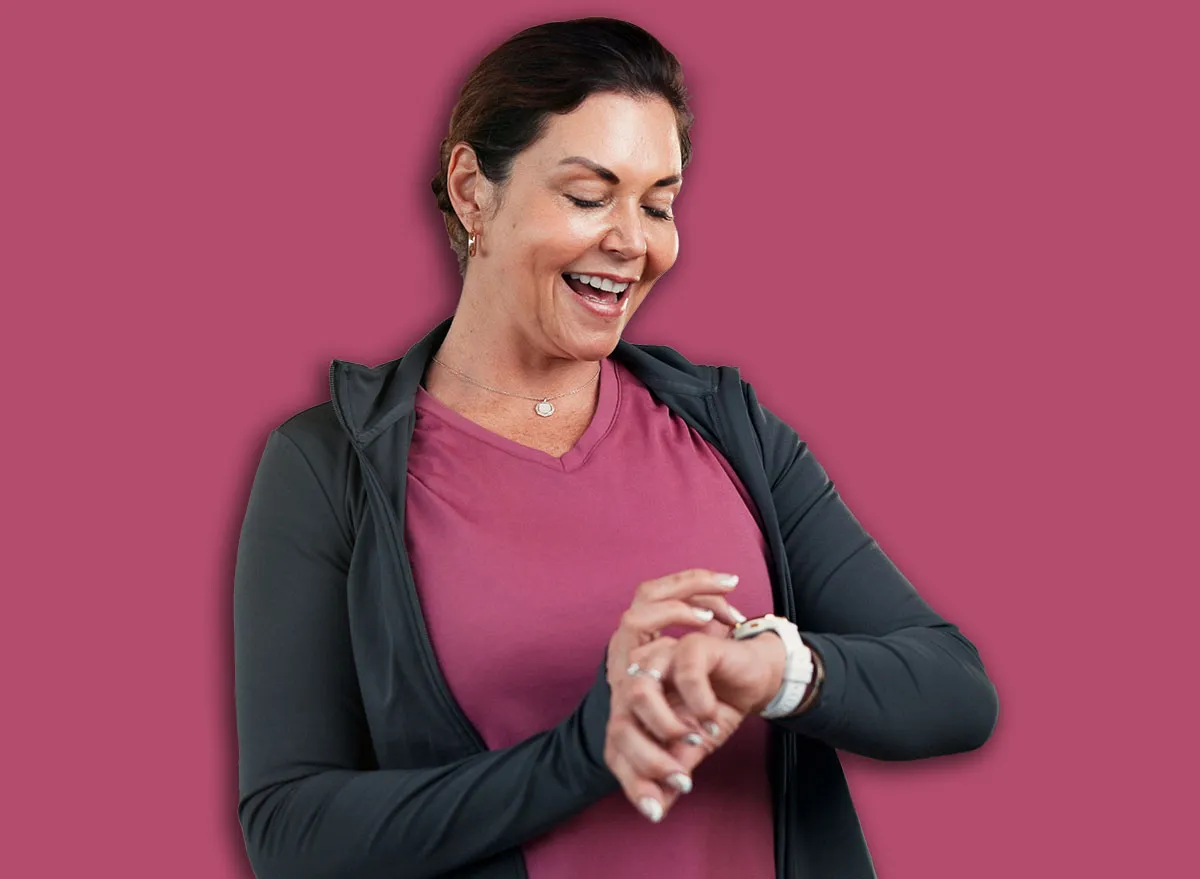
A belly pooch can make progress feel more personal than practical. People want change in one specific area, which makes it tempting to chase the perfect lower-ab exercise or the right machine at the gym. The truth is less flashy, but it works better: your body responds to the total amount of strength work, movement, effort, and consistency you build into the week.
Spot reduction is where a lot of routines go off track. Training your abs can make those muscles stronger, but it doesn’t tell your body to pull fat from one exact place. A better plan creates a full-body training effect, then supports it with daily habits that help body composition move in the right direction.
There’s also an intangible side to losing weight after 60 that doesn’t get talked about enough. The workout has to feel repeatable. It has to fit your schedule, leave you feeling capable, and give you a clear starting point the next time you train. That’s why consistent exercise timing can help. Doing the same short routine at the same time each day removes some of the decision-making and makes the habit easier to keep.
This standing routine uses two exercises for four rounds each. You’ll alternate between a strength move and a conditioning move for eight total minutes, giving your legs, upper body, and core enough work to make the session count.
How to Do the 8-Minute Standing Routine

Set a timer for 40 seconds of work and 20 seconds of rest. Alternate the two exercises below for four total rounds each.
- Dumbbell Squat to Press: 40 seconds.
- Standing Cross-Body Knee Drive: 40 seconds.
Repeat that sequence four times. The full routine takes eight minutes, including the built-in rest periods. Use light dumbbells, keep your pace controlled, and rest a little longer if your form starts to break down.
Dumbbell Squat to Press
The dumbbell squat to press gives this short routine its strength focus. Your legs drive the squat, your upper body finishes the press, and your core helps keep the movement organized. It brings more total muscle into the session than a seated machine, which helps raise the effort of the workout.
Muscles Trained: Quadriceps, glutes, hamstrings, shoulders, triceps, core.
How to Do It:
- Stand with your feet about shoulder-width apart and hold dumbbells at shoulder height.
- Brace your core and keep your chest lifted.
- Lower into a squat you can control.
- Press through your feet to stand tall.
- Press the dumbbells overhead.
- Lower the weights back to your shoulders and repeat.
Recommended Sets and Reps: Perform 40 seconds of work for 4 rounds. Rest for 20 seconds before moving to the next exercise.
Best Variations: Bodyweight squat to reach, goblet squat, alternating dumbbell squat to press.
Form Tip: Stand fully before you press so the movement stays strong and controlled.
Standing Cross-Body Knee Drive
Standing cross-body knee drives add the pace this routine needs. The movement trains your abs, hip flexors, legs, and shoulders while keeping you upright and moving. The cross-body action gives your midsection direct work, and the steady rhythm helps lift your heart rate without requiring you to get on the floor.
Muscles Trained: Abs, obliques, hip flexors, quadriceps, glutes, calves, shoulders.
How to Do It:
- Stand tall with your feet hip-width apart.
- Reach both hands overhead.
- Brace your core.
- Drive your right knee up as you pull your hands down toward that knee.
- Return to the starting position.
- Alternate sides at a brisk, controlled pace.
Recommended Sets and Reps: Perform 40 seconds of work for 4 rounds. Rest for 20 seconds before returning to squat-to-presses.
Best Variations: Slower knee drives, supported knee drives, low-impact marching knee drives.
Form Tip: Stay tall as your knee lifts and avoid folding your chest down toward your thigh.
How to Get More From This 8-Minute Routine After 60

This routine works best when it becomes part of a normal day. Pick a consistent time, keep the setup simple, and focus on repeating quality sessions.
- Use the same time window: Morning, lunch, or early evening can all work. The specific time matters less than choosing one you can repeat.
- Keep the dumbbells light at first: The squat-to-press should challenge your muscles without pulling your posture out of position.
- Make the knee drives rhythmic: You want your breathing to pick up, but the movement should still look controlled.
- Progress gradually: Add a little weight, complete more clean reps in 40 seconds, or reduce extra rest once the routine feels manageable.
- Support the workout with daily movement: Walks, chores, errands, and active hobbies all help increase the total work your body does across the week.
An eight-minute routine won’t replace every part of a weight-loss plan, but it can give you a repeatable training anchor. Keep showing up at the same time, make the two exercises count, and let the consistency support a stronger, leaner body over time.
References
- Cox, Carla E. “Role of Physical Activity for Weight Loss and Weight Maintenance.” Diabetes spectrum : a publication of the American Diabetes Association vol. 30,3 (2017): 157-160. doi:10.2337/ds17-0013
- Brobakken, Mathias Forsberg et al. “Abdominal aerobic endurance exercise reveals spot reduction exists: A randomized controlled trial.” Physiological reports vol. 11,22 (2023): e15853. doi:10.14814/phy2.15853