5 Standing Exercises That Shrink Love Handles Faster Than Weight Training After 50
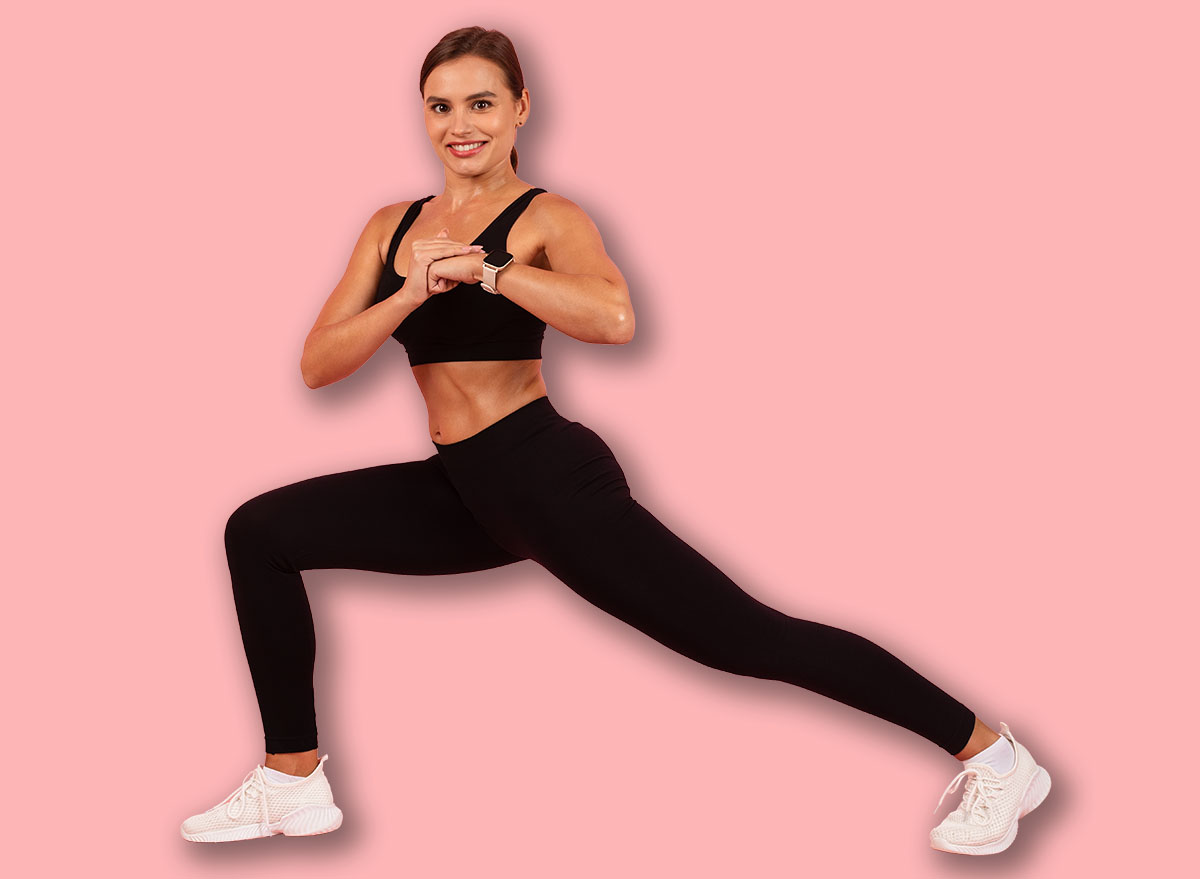
Love handles after 50 don’t shrink from random side bends or marathon gym sessions. They respond to intelligent tension, full-body muscle recruitment, and consistent metabolic demand. I’ve coached adults over 50 for a long time, and the clients who tighten their waistlines fastest don’t spend hours on machines, they master controlled, standing movements that challenge balance and core stability together. When you train the body as a unit, the midsection firms up because it has to stabilize everything else.
Traditional weight training often isolates muscles while the torso rests against benches or pads. That setup limits how much the deep core and obliques truly engage. Standing exercises force the trunk to resist rotation, flexion, and lateral pull under load. That resistance builds dense, functional muscle around the waist while elevating heart rate and energy expenditure at the same time. After 50, efficiency matters more than volume.
The five exercises below attack love handles through anti-rotation, loaded carries, glute activation, and rotational control. Perform them with strict form and deliberate tempo. Stay consistent, challenge yourself gradually, and your waistline will tighten without grinding through endless machine circuits.
Dumbbell Suitcase Carry
If I want to tighten someone’s waist quickly, I start here. The suitcase carry forces the obliques to fire continuously to prevent side bending. That anti-lateral stability builds strength along the exact area most people call “love handles.” I’ve watched clients reshape their waistlines simply by adding loaded carries several times per week and walking with purpose.
Hold one dumbbell at your side and stand tall. Resist the urge to lean. Keep your shoulders level and ribs stacked over hips. Every step becomes core work. That sustained tension does more for the obliques than isolated side crunches ever could.
How to Do It
- Hold one dumbbell at your side
- Stand tall with shoulders level
- Brace your core firmly
- Walk 20–40 slow steps
- Switch hands and repeat.
Standing Dumbbell Wood Chop
Rotational control defines a strong waist after 50. The wood chop trains the core to generate and resist rotation while staying upright. Most gym machines don’t challenge this pattern effectively. Standing rotation under control builds strength across the entire abdominal wall and improves how the midsection looks from every angle.
Start light and move with precision. Rotate through the torso while keeping hips stable. Control the return instead of letting the weight pull you back. That deceleration phase drives serious oblique activation.
How to Do It
- Hold one dumbbell with both hands
- Start near one hip
- Rotate upward across your body
- Keep hips stable
- Control the return to start
- Repeat and switch sides.
Standing Alternating Reverse Lunge With Rotation
Lower-body strength and core control go hand in hand. Adding rotation to a reverse lunge increases oblique engagement while keeping the knees safe. I program this often for clients over 50 because it builds glutes, improves balance, and tightens the waist simultaneously.
Step back into a lunge and rotate toward the front leg. Keep your chest tall and movements smooth. Drive through the front heel to stand and reset before switching sides. Controlled tempo amplifies core activation.
How to Do It
- Hold a dumbbell at chest height
- Step one leg back
- Lower into a lunge
- Rotate torso toward front leg
- Return to center and stand
- Alternate sides.
Dumbbell Front-Loaded Squat Hold
Static tension transforms the midsection. Holding weight in the front-loaded position forces the core to stabilize continuously. Unlike seated machines, this position demands upright posture and deep abdominal engagement. I use squat holds frequently to strengthen the trunk without repetitive spinal flexion.
Lower into a controlled squat and hold for 20–40 seconds. Keep elbows lifted and chest tall. Brace the core as if preparing for impact. That sustained tension drives serious engagement through the entire waist.
How to Do It
- Hold dumbbells at shoulder height
- Lower into a squat
- Maintain upright posture
- Brace core tightly
- Hold 20–40 seconds
- Stand and repeat.
Standing Cross-Body Knee Drive With Dumbbell
This final movement reinforces coordination and rotational stability. Many adults lose cross-body control over time, which weakens the obliques and deep core. Rebuilding that pattern tightens the waist while improving balance. I’ve seen clients regain noticeable firmness in their midsection by mastering this simple but powerful drill.
Hold a light dumbbell in one hand and drive the opposite knee upward across your body. Maintain tall posture and avoid leaning. Move slowly and reset between reps. Precision beats speed every time.
How to Do It
- Hold a light dumbbell in one hand
- Stand tall with feet hip-width apart
- Drive opposite knee upward across body
- Lower with control
- Alternate sides.