If You Can Do This Many Lunges After 60, You’re Fitter Than Most People Half Your Age
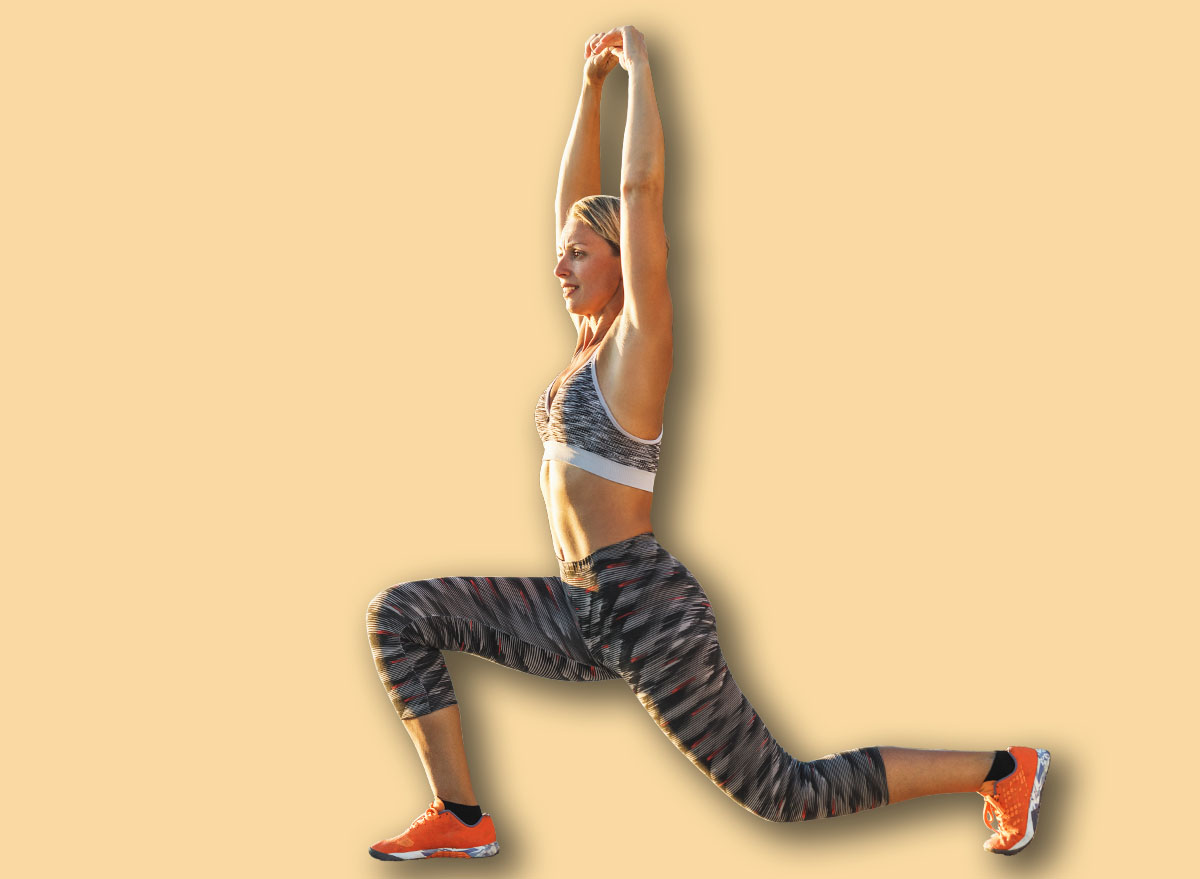

Lunges expose real fitness faster than almost any lower-body movement. They demand leg strength, balance, coordination, hip mobility, and cardiovascular control all at once. After 60, many people avoid them entirely, not because lunges stop working, but because weaknesses surface immediately and without mercy.
That’s why lunges function so well as a benchmark. Machines hide instability. Squats allow compensation. Lunges force each leg to carry its own load while the body stays upright and controlled. When fatigue sets in, posture, balance, and movement quality tell the truth every single rep.
What makes this test especially revealing after 60 lies in its continuity. Performing lunges without stopping requires more than strong legs, it demands resilient joints, efficient breathing, nervous system endurance, and confidence under fatigue. Most people lose one of those elements quickly. If you don’t, your fitness doesn’t just exceed age norms, it rivals people decades younger.
How to Perform the Lunge Test Properly
This test uses continuous alternating forward lunges, performed with control and no rest.
- Stand tall with feet hip-width
- Step forward into a lunge
- Lower back knee toward the floor with control
- Push through the front heel to stand
- Alternate legs each rep
- Stop when form breaks or rest becomes necessary
Count total reps, not reps per side. Smooth, steady reps matter more than speed.
What Your Results Mean After 60

0–10 reps
Lower-body endurance, balance, or joint confidence limits performance. Daily movement exists, but targeted strength and control remain underdeveloped.
11–20 reps
Average functional fitness for your age group. You maintain basic strength, though fatigue disrupts rhythm and posture relatively quickly.
21–30 reps
Above-average fitness. Legs, hips, and balance systems cooperate efficiently, supporting strong everyday movement.
31–40 reps
Exceptional fitness after 60. Strength endurance, joint integrity, and coordination outperform most peers, and many people decades younger.
41+ reps
Elite functional fitness. This level reflects long-term consistency, resilient joints, and total-body control rarely seen at any age.
How to Improve Your Lunge Score
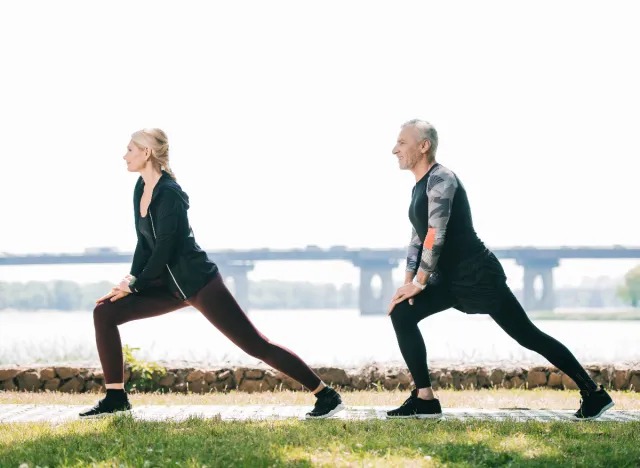
Improving your lunge count doesn’t require chasing exhaustion or piling on volume. Progress comes from owning the movement pattern. Practice lunges frequently in small doses, focusing on posture, balance, and controlled depth rather than speed. Move slowly enough to feel both legs working evenly, and stop before fatigue degrades form.
Outside of the test itself, prioritize daily movements that reinforce single-leg control, upright posture, and hip stability. Walking with purpose, controlled step-backs, and balance-focused drills build the endurance and confidence lunges demand. When your nervous system learns to stay calm under load, reps accumulate naturally without grinding effort.