4 Morning Exercises That Restore Thigh Muscle Faster Than Lunges After 55
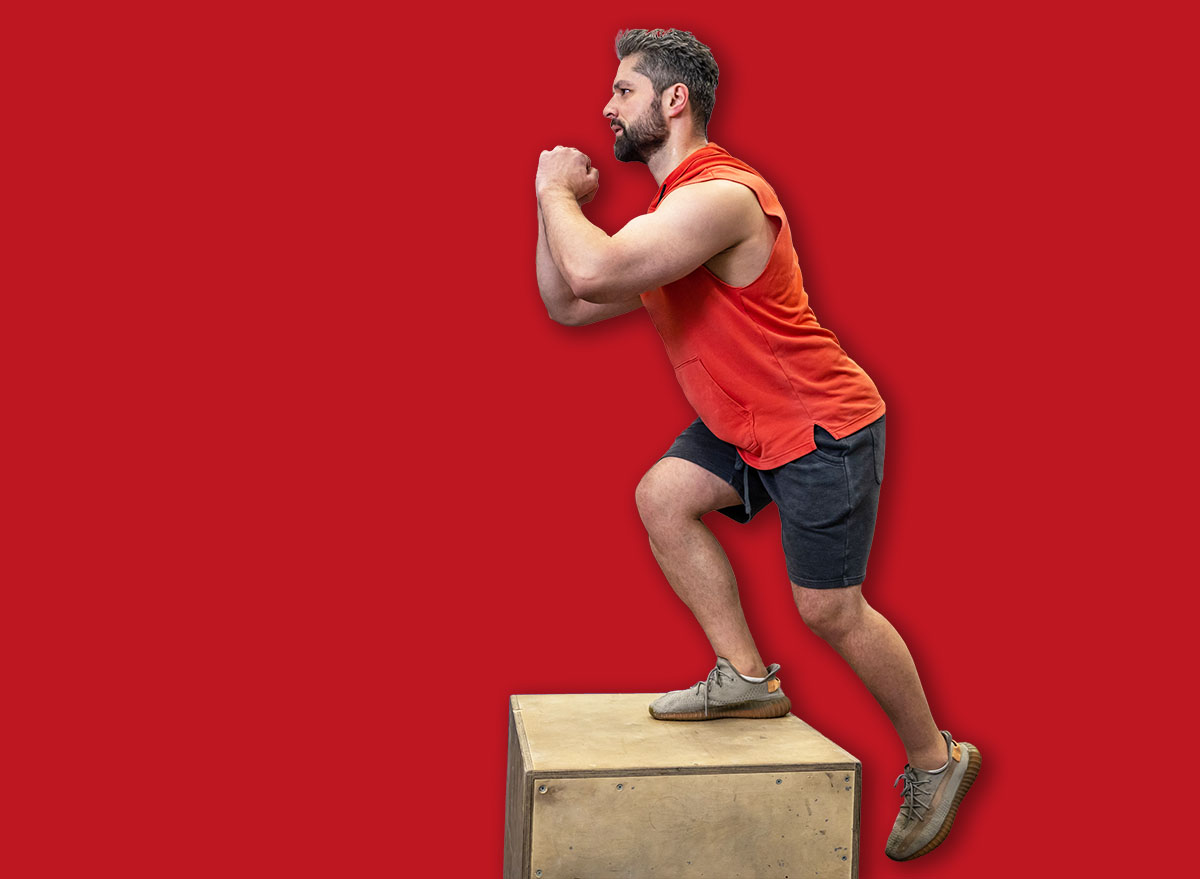

Many fitness enthusiasts prefer morning workouts—and for good reason. They can boost your energy levels for the day and may help you feel accomplished before you really get started. That’s why we’re here to share four morning exercises that help restore thigh muscle faster than lunges after 55.
Strong thighs are more important than one may think. Your thighs pretty much support your entire body weight while keeping your hips and knees stable. Why should restoring thigh muscle be a priority after 55? They keep you mobile, balanced, and active. Strong thighs also reduce the risk of falling and developing osteoporosis.
“Sarcopenia, or age-related muscle loss, increases after we get to about 55 years old. We tend to move less as we get older, hormonal changes along with slower muscle repair contribute to this. One of the areas in which this is most noticeable is in our thighs,” explains John White, Level 3 Sports Massage Therapist, running expert, and qualified adult nurse. “When it comes to thigh exercises many people think first of lunges. These are certainly a good thigh exercise, but they can be tough on the knees and hips. I prefer a combination of gentler exercises which will give the same benefits, but with less strain.”
According to Rachel Ruth Tate, a yoga and fitness professional 200 RYT who has been teaching yoga and managing gyms for over 20 years, your thighs contain some of your body’s major muscle groups—the hamstrings and quads—and keeping these muscles in good health is essential for long-term strength, stability, and mobility.
“As we age, we have to do realistic risk assessments when prescribing exercise programs or yoga postures and minimize the potential for injury,” Tate stresses. “The addition of vibration plates or specialized machines can stimulate muscle growth while stabilizing the range of motion.”
Now that we know the benefits of building and maintaining thigh strength, let’s get into the top exercises to prioritize.
Sit-to-Stand
According to White, this exercise reinforces natural movement and helps improve circulation.
- Begin seated at the front of a sturdy chair with your feet placed on the floor under your knees.
- Lean forward slightly.
- Try to stand up without using your knees, hands, or additional support.
- Use control to slowly sit back down.
- Perform 3 sets of 10 reps.
Wall Squats
This exercise is easily adaptable and stellar for boosting quad endurance.
- Stand tall with your back pressed against a wall and arms extended ahead of you.
- Slide down until your knees are bent at a 90-degree angle as if you’re sitting in a chair.
- Hold for a moment before rising back up to standing.
- Perform 3 sets of 10 reps.
Glute Bridges
“Bridge lifts are good for overall leg strength as they engage the hamstrings and your glutes (bottom muscles), too,” White tells us.
- Lie flat on your back with bent knees and feet hip-width apart on the floor.
- Press through your heels to lift your hips until your body forms a straight line from head to heels.
- Squeeze your buttocks, holding at the top for a moment.
- Lower your hips back to the start position.
- Perform 3 sets of 10 reps.
Step-Ups
- Stand facing a bench, holding a dumbbell in each hand, and brace your core.
- Step onto the bench with one foot, and stand on the bench, bringing your other foot to touch the bench. Ensure all the power comes from the lead foot.
- Press through your foot, and activate your glutes and quads to lift you.
- Carefully lower the following foot back to the floor, then the stepping foot.
- Repeat using your opposite foot as the lead.
- Perform 3 sets of 10 reps on each side.