If You Can Hold a Plank This Long After 60, Your Core Strength Is Top-Tier
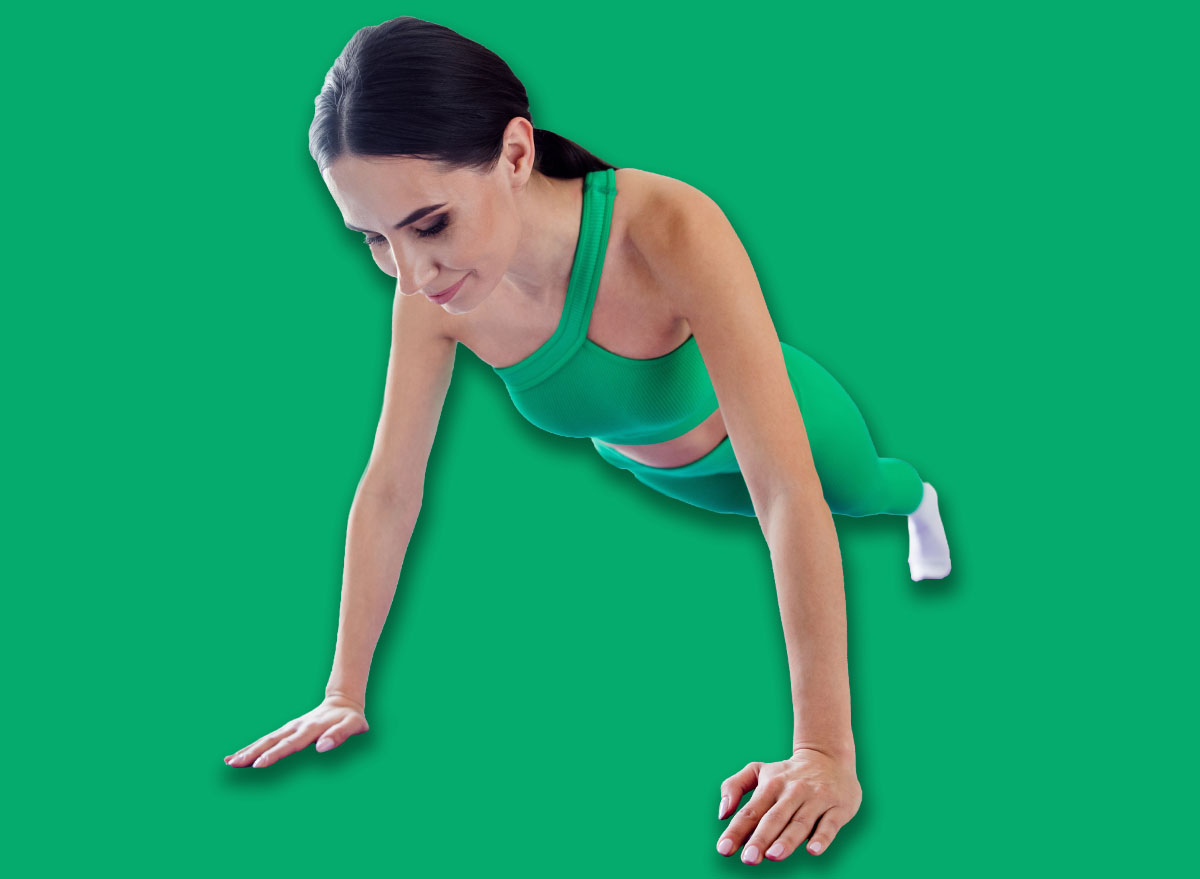

If you’re looking to improve or build core strength, planks are an excellent place to start. This low-impact isometric exercise may look simple, but it’s excellent for sculpting your core, back, glutes, and shoulders while you hold the position and stabilize. But as with many exercises, it can be challenging to determine the right number of sets and reps—or prescribed time—that will deliver the biggest bang for your buck. That’s why we spoke with Bruno Pontes, an ACSM and AFAA-Certified Personal Trainer with fitness app Muscle Booster, who says if you can hold a plank for this long after 60, your core strength is truly “top-tier.” For the past eight years, Pontes has helped individuals along their fitness journeys.
What Makes the Plank One of the Most Reliable Tests of Core Strength and Stability?
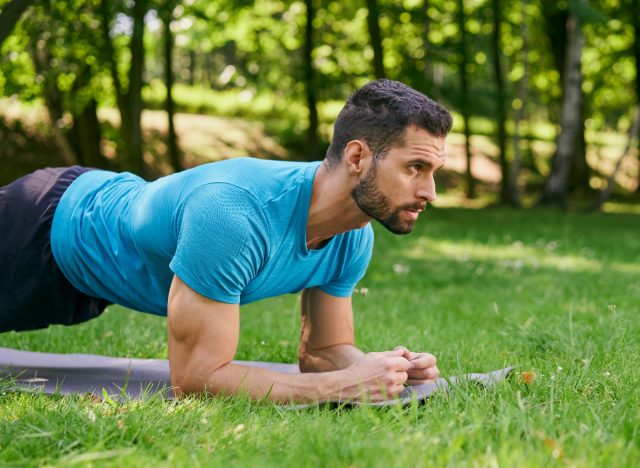
According to Pontes, planks serve as an excellent test of core strength for adults 60+. This move assesses total-body stability and muscular endurance rather than simply isolating the abs.
“The plank measures how well the core stabilizes the spine as well as spinal alignment. It also requires multiple muscle groups to work together, including the abdominals, glutes, shoulders, hips, and lower back, making it a great indicator of overall functional fitness,” Pontes tells us.
For those 60 and up, core strength is imperative to help you preserve balance, mobility, posture, and independence as you grow older.
“This translates into everyday functions such as climbing stairs, carrying groceries, getting up from chairs, and having a strong core, which greatly reduces the risk of falls,” Pontes adds.
The Most Important Form Tips To Keep in Mind
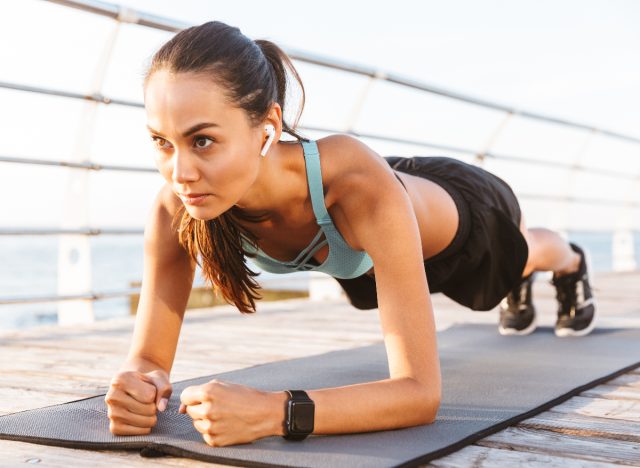
When performing planks, Pontes stresses the importance of keeping your body completely straight from head to heels. The main goal should be on achieving proper form and posture rather than how long you’re able to hold the plank.
“Aim to keep your body as still as possible, avoid positioning your hips high in the air, and don’t let gravity pull them towards the floor either; you want to strive for something in the middle,” Pontes explains. “Engaging your core and tightening the glutes allows you to get the full benefit of the plank. Try to keep your breathing steady throughout, as holding your breath can cause your body to stiffen and add unnecessary tension.”
How To Do a Forearm Plank
- Assume a forearm plank: Place your forearms on the ground with your elbows under your shoulders and arms parallel to your body, shoulder-width apart.
- Keep your body straight from head to heels.
- Activate your core, legs, and glutes as you hold the position.
How To Do a High Plank
- Place your hands under your shoulders.
- Press into the pads of your fingers and hug your inner arm toward your armpit.
- Walk your feet out to hip-width.
- Engage your abs, squeeze your buttocks, and pull upward through your quads.
- Hold the plank position with proper form.
Modifications
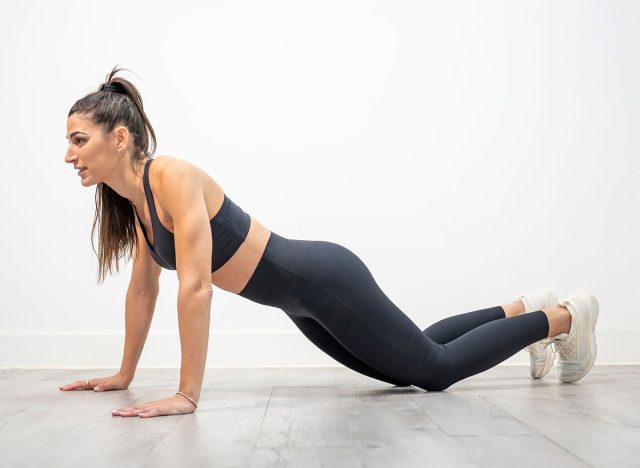
You can plank your plank holds easier by placing your knees on the mat and keeping your hips straight. This modification takes away the weight of your legs and reduces lower-back pressure. According to Pontes, wall planks are typically easier, since they eliminate the effect of gravity and place less strain on the body. Keep in mind that the further away from the wall you position your feet, the more challenging the plank becomes.
“For the majority of over-60s, forearm planks are usually seen as the best option for planking as they place less strain on your wrists and shoulders, making them a more accessible option for those with arthritis, compared to straight-arm planks,” Pontes explains. “Straight-arm planks can still be a great option for those over 60 who still have good mobility in the wrists and good upper body strength. This plank tests core stability, but may place more pressure on your shoulders, chest, and arms.”
It really comes down to personal preference when determining which plank variation you feel is most beneficial.
“As always, focusing on properly executing the plank is the most important factor, rather than focusing on which plank to choose. If you encounter any discomfort or pain when performing the exercise, please stop and speak with a medical professional before trying again,” Pontes notes.
If You Can Hold a Plank This Long After 60, Your Core Strength Is Top-Tier
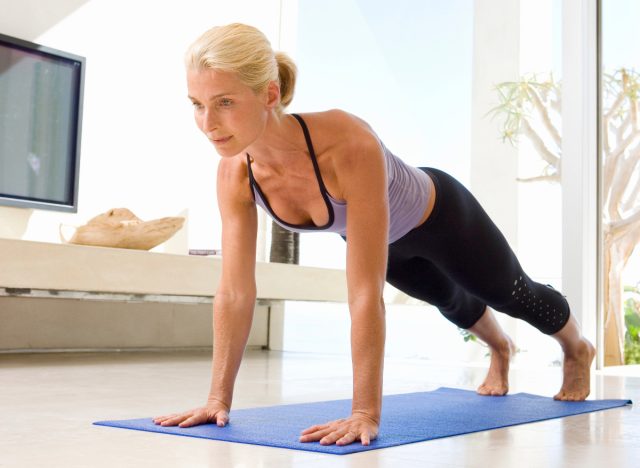
When it comes to the ideal plank hold time, recommendations vary. That said, for beginners who are looking to boost core strength, holding a plank for 15 to 20 seconds serves as an excellent starting point. For those 60+, holding your plank for more than 30 seconds is a stellar benchmark. Now, for individuals over 60 who can hold a plank for 60 to 90 seconds with proper form, this reveals “exceptional” spinal alignment and core strength, Pontes says.
“However, it is important to remember to focus on correct execution rather than just holding a plank for as long as possible. These times are great benchmarks as they allow the plank to measure muscular endurance rather than a measure of maximum strength. Anything above what’s recommended is likely to cause more harm than good, as the hips are more likely to sag, in turn disengaging the core, making the exercise ineffective,” he adds.