5 Standing Exercises That Rebuild Core Strength Faster Than Gym Classes After 50
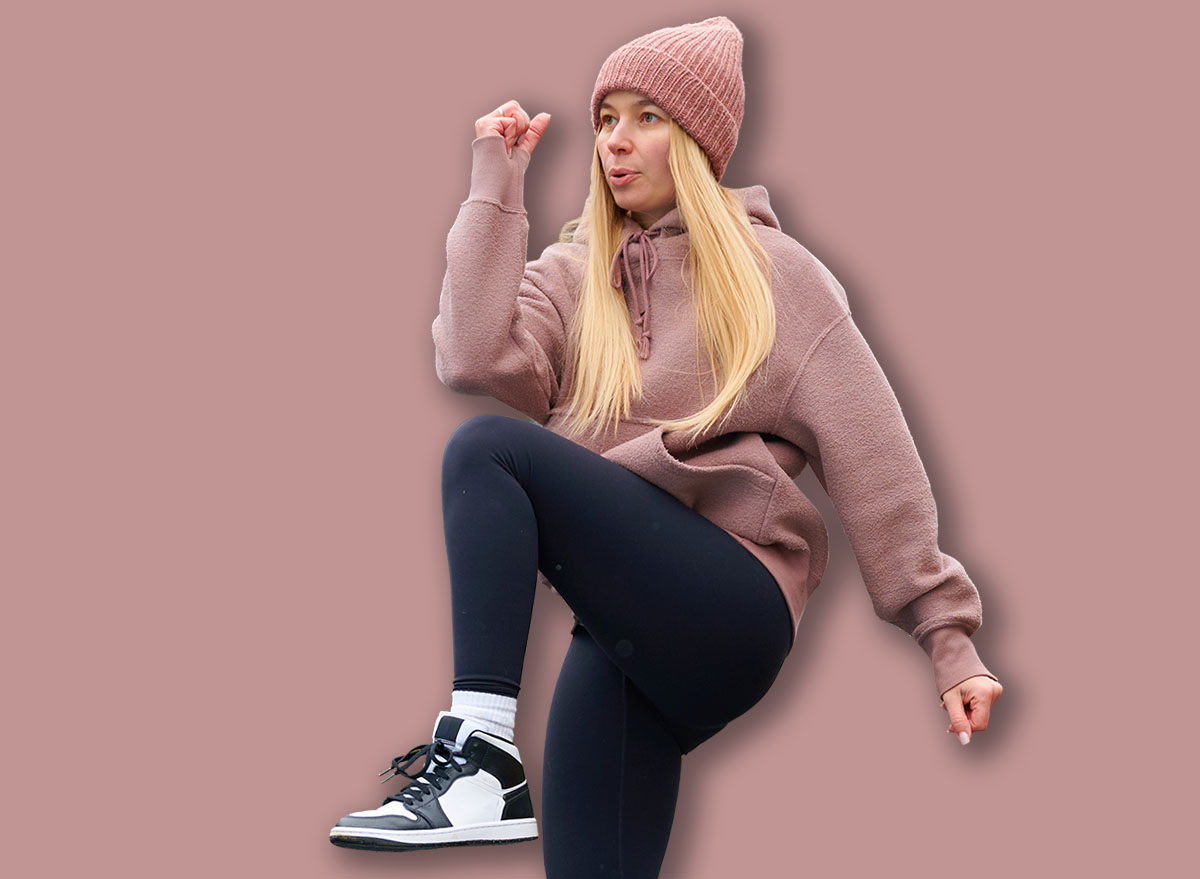

If you’re over 50, gone are the days of sculpting six-pack abs and a beach-ready midsection. Now, building core strength should focus on maintaining spinal stability, enhancing balance, improving posture, and boosting your ability to move confidently without pain. Yet many traditional gym classes still rely heavily on floor-based exercises like crunches, high-rep sit-ups, or fast-paced twisting movements that can irritate your lower back rather than strengthen your core.
Research shows that older adults benefit more from exercises that improve stability, balance, and activation of deep core muscles like the transverse abdominis. These muscles wrap around your torso like a corset and are essential for spinal protection and trunk stability. According to recent studies, boosting your core strength with standing exercises can improve balance, reduce fall risk, and decrease lower back pain in adults over 50 better than traditional abdominal exercises.
However, knowing which standing exercises are best for rebuilding core strength can be tricky. The good news is we’re here to help. We chatted with James Brady, personal trainer at OriGym, who shares his top five standing core exercises for those in their 50s, 60s, and beyond.
“Standing core work offers additional advantages,” Brady says. “It reduces pressure on the spine compared to repeated flexion movements and integrates the hips, glutes, and upper body, which are muscles that are essential for real-world function.”
Read on for the exercises and detailed instructions for each. Then, when you’re finished, check out these 5 Morning Exercises That Flatten Belly Overhang Better Than Gym Classes After 55.
Standing March
First up are standing marches. This move is an excellent way to rebuild deep core strength. By lifting one knee at a time while keeping the torso tall and the ribs stacked over the hips, your deep core stabilizing muscles switch on automatically.
How to do it:
- Stand tall with your feet hip-width apart.
- Stack your ribs directly over your hips.
- Engage your stomach as if you’re about to cough.
- Lift one knee slowly toward hip height.
- Avoid leaning backward or swaying side to side.
- Pause for one to two seconds at the top.
- Lower your foot back down with control.
- Perform two to three sets of 12 to 16 total marches (alternating legs), resting for 30 to 45 seconds between sets.
Bodyweight Squat With Overhead Reach
Squatting activates your glutes and quads, which are crucial for supporting your pelvis and lower back. Adding a controlled overhead reach to this classic move increases core activation by forcing your abs to stabilize as your arms move.
How to do it:
- Stand tall with your feet shoulder-width apart.
- Brace your core gently.
- Sit your hips back as if sitting into a chair and lower into a squat.
- Keep your chest upright and your knees tracking over your toes.
- As you stand up, reach both arms overhead slowly.
- Avoid arching your lower back during the reach.
- Lower your arms back down with control.
- Complete two to three sets of 10 to 15 reps. Rest for 45 to 60 seconds between sets.
Standing Oblique Knee Drive
The standing oblique knee drive targets your muscles that shape and support the sides of your core. Bringing your knee up toward your opposite elbow while remaining upright trains rotation control rather than uncontrolled twisting. After 5, this control is essential since joint stability now matters more than speed.
How to do it:
- Stand tall with your feet hip-width apart.
- Place your hands lightly behind your head or in front of your chest.
- Flex your core gently.
- Lift your right knee toward your left elbow.
- Rotate your torso slightly without collapsing forward.
- Pause for one to two seconds when your elbow and knee meet.
- Return to the starting position with control.
- Aim for two to three sets of 10 to 12 reps per side, resting for 30 to 45 seconds between sets.
Wall Plank Hold
This variation of the classic plank involves pressing your forearms into a wall while stepping your feet back to engage the entire core, glutes, and upper back. Since your body remains upright during the movement, it’s easier to maintain alignment and keep tension in your abdominal wall.
How to do it:
- Stand facing a wall.
- Place your forearms against the wall at shoulder height.
- Step your feet back until your body forms a straight line.
- Brace your core and squeeze your glutes.
- Press your forearms into the wall.
- Keep your neck neutral and your shoulders stable.
- Hold while breathing steadily through your nose.
- Hold for 20 to 40 seconds for two to three sets. Rest for 30 to 45 seconds between holds.
Standing Anti-Rotation Press
Anti-rotation training strengthens your deep core stabilizing muscles by teaching your body to resist twisting forces. This movement is fantastic for older adults to build core endurance and trunk control.
How to do it:
- Attach a resistance band at chest height to a sturdy anchor.
- Stand sideways to the anchor point.
- Hold the band with both hands at your chest.
- Step back slightly to create tension.
- Engage your core and keep your hips facing forward.
- Press the band straight out in front of you.
- Resist the pull of the band without rotating.
- Bring your hands back to your chest slowly.
- Perform two to three sets of 8 to 12 presses per side, resting for 30 to 45 seconds between sets.
- Source: https://pmc.ncbi.nlm.nih.gov/articles/PMC11614458/
- Source: https://pmc.ncbi.nlm.nih.gov/articles/PMC12548199/
- Source: https://pmc.ncbi.nlm.nih.gov/articles/PMC11374162/
- Source: https://www.frontiersin.org/journals/public-health/articles/10.3389/fpubh.2025.1661460/full
- Source: https://pmc.ncbi.nlm.nih.gov/articles/PMC8304136/
- Source: https://jccpractice.com/article/effectiveness-of-core-stabilization-exercises-vs-traditional-physical-therapy-for-chronic-low-back-pain-235/
- Source: https://www.eatthis.com/morning-belly-overhang-exercises-after-55/