5 Standing Exercises That Build Walking Endurance Faster Than Treadmills After 65
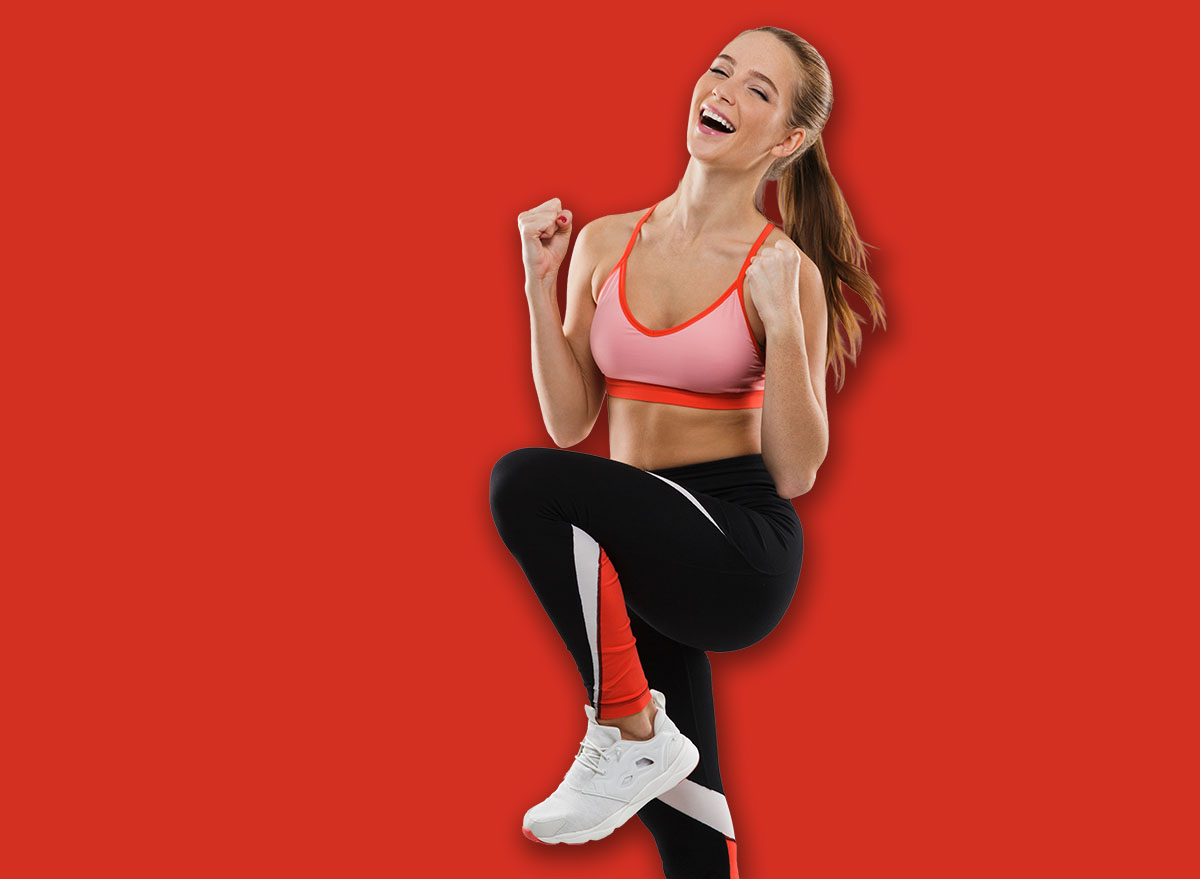

Walking endurance after 65 doesn’t just depend on how often you walk. It depends on how strong and efficient your body feels with every step. I’ve worked with older clients for years, and the biggest breakthroughs rarely came from adding more treadmill time. They came from strengthening the muscles that actually drive each stride: hips, glutes, calves, and core stabilizers. When those areas improve, walking naturally becomes easier and lasts longer without fatigue.
Treadmills repeat the same motion over and over, but they don’t always correct the weak links that limit endurance. If the hips feel unstable or the calves lack push-off power, the body compensates and tires faster. That’s why targeted standing exercises often deliver faster, more noticeable results. They train the body to move with strength, balance, and control.
Another advantage of standing work involves posture. Walking endurance improves when the body stays upright, stable, and efficient. These exercises reinforce that alignment while strengthening the exact muscles used during walking. Over time, that translates into longer walks, smoother strides, and less fatigue.
The following movements focus on building the strength and coordination behind every step. Move with control, stay tall through your posture, and focus on muscle engagement rather than speed. With consistency, walking endurance starts to rebuild in a way that actually lasts.
Standing March With Hold
This movement sharpens the exact motion used during walking while forcing the core and hips to stabilize. I rely on this drill often because it rebuilds coordination and endurance at the same time. When clients struggle with shorter stride length or fatigue, this usually becomes one of the first exercises I introduce.
Lifting the knee and holding it briefly forces the body to balance on one leg while the core stays engaged. That single-leg control directly translates into stronger, more efficient walking mechanics. Over time, each step starts to feel lighter and more controlled.
How to Do It
- Stand tall with feet hip-width apart
- Lift one knee to hip height
- Hold for 2–3 seconds
- Lower slowly
- Alternate legs continuously
Step-Through Lunges (Controlled Range)
This variation builds forward-driving strength without the strain of deep lunges. I use this often for clients who need stride power but don’t tolerate traditional lunges well. The movement teaches the body to push forward with control rather than drop into the knees.
Stepping forward lightly and returning to center builds strength in the quads and glutes while reinforcing balance. When done with a shorter range and strict control, the movement feels smooth and joint-friendly.
How to Do It
- Stand tall with feet together
- Step one foot forward lightly
- Bend slightly through the front leg
- Push back to standing
- Alternate legs steadily.
Standing Heel-to-Toe Raises
This movement targets the calves and ankles, which play a critical role in walking endurance. I’ve seen many clients improve their walking distance simply by strengthening their push-off power through the lower legs.
Rolling from heels to toes builds coordination and endurance through the entire foot and ankle. That improved control allows each step to feel smoother and more efficient, reducing fatigue over longer walks.
How to Do It
- Stand tall with feet hip-width apart
- Lift toes slightly off the ground
- Roll forward onto your toes
- Pause briefly
- Return slowly and repeat.
Standing Side Steps
Side steps strengthen the hips, which stabilize the body during walking. Weak hips often lead to side-to-side sway, which wastes energy and reduces endurance. I include this exercise in nearly every walking program because it builds that missing stability.
Stepping side to side while staying low and controlled forces the outer hips to engage continuously. That stability helps keep the body aligned during walking, which makes each step more efficient.
How to Do It
- Stand tall with slight bend in knees
- Step one foot out to the side
- Bring the other foot to meet it
- Stay controlled and steady
- Continue side to side.
Standing Hip Extensions With Pause
This movement targets the glutes, which drive the body forward during walking. I always emphasize glute strength when building endurance because weak glutes force other muscles to compensate, leading to early fatigue.
Adding a pause at the top increases muscle engagement and builds endurance in the glutes. When these muscles fire properly, walking feels more powerful and requires less effort.
How to Do It
- Stand tall holding a chair if needed
- Extend one leg behind you
- Pause and squeeze the glutes
- Lower slowly
- Alternate legs steadily.