5 Standing Exercises That Restore Muscle Tone Faster Than Gym After 55
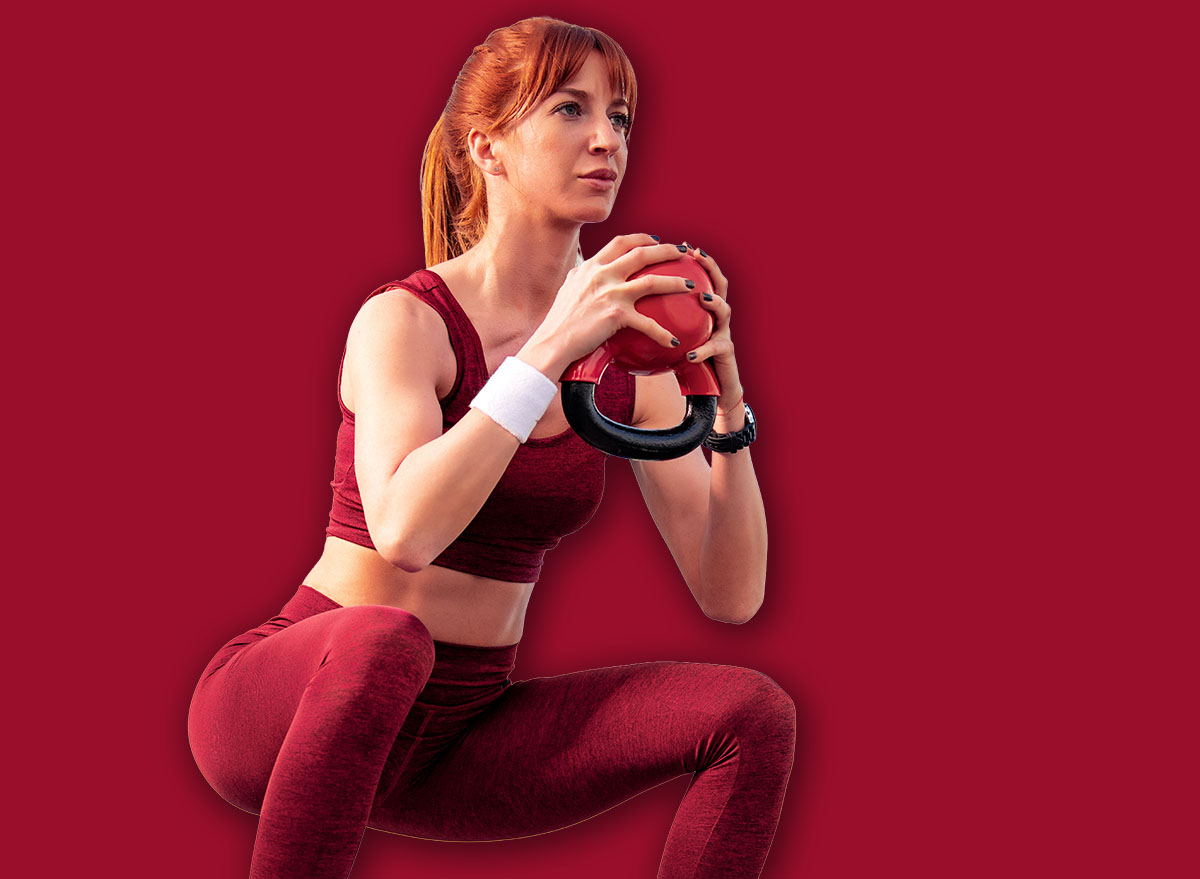

Building muscle tone after 55 can feel incredibly rewarding when your training starts working with your body instead of against it. Some of the most effective exercises are the ones that get you on your feet, moving with purpose, and using your body the way it was designed to move. When training feels natural and connected, it tends to deliver better results and keeps you coming back for more.
I’ve worked with plenty of clients who wanted to feel stronger, tighter, and more confident in how they move, and the biggest shifts usually happen when we focus on simple, powerful movements. Standing exercises tend to create that shift quickly. They challenge multiple muscle groups at once, improve coordination, and build strength that translates into everyday life.
The five exercises below are some of my go-to choices for restoring muscle tone in a way that feels efficient and rewarding. They train the entire body, support better posture, and help you move with more strength and control. Stick with them, and you’ll start to notice your body feeling stronger, more stable, and more capable day by day.
Dumbbell Bent-Over Row
Dumbbell bent-over rows do more than build your upper back. They help restore posture by strengthening the muscles that pull your shoulders back and keep your spine supported. As you hinge forward, your core and hips work to stabilize your position, making this a full-body effort. That combination helps you stand taller and move with more control. Over time, this exercise contributes to a more balanced, toned upper body.
Muscles Trained: Upper back, lats, rear delts, and core.
How to Do It:
- Hold a dumbbell in each hand.
- Hinge at your hips and keep your back flat.
- Let the weights hang toward the floor.
- Pull the dumbbells toward your torso.
- Lower them back down with control.
Recommended Sets and Reps: Perform 3 sets of 8 to 12 reps. Rest for 60 seconds between each set.
Best Variations: Single-arm row, tempo row, pause row.
Form Tip: Keep your elbows close to your body as you pull.
Goblet Squats
Goblet squats are a simple yet powerful way to rebuild leg strength while reinforcing good posture. Holding the weight in front naturally encourages you to stay upright, which helps the core stay engaged throughout the movement. As you lower and stand, your quads and glutes work together to produce force, creating a strong and controlled motion. This makes the exercise feel both effective and approachable. Consistent practice helps restore strength and muscle tone throughout the lower body.
Muscles Trained: Quads, glutes, hamstrings, and core.
How to Do It:
- Hold a dumbbell or kettlebell at your chest.
- Stand with your feet shoulder-width apart.
- Brace your core and keep your chest tall.
- Lower into a squat.
- Drive through your feet to stand back up.
Recommended Sets and Reps: Perform 3 sets of 8 to 12 reps. Rest for 60 seconds between each set.
Best Variations: Pause squat, tempo squat, box squat.
Form Tip: Keep your elbows tucked and your chest upright.
Barbell Deadlift
Barbell deadlifts build strength throughout the entire posterior chain while reinforcing proper lifting and movement techniques. As you drive through the ground, your glutes, hamstrings, and back all contribute to the movement, creating a powerful, coordinated effort. This full-body engagement helps restore muscle tone while also improving strength and stability. Many people notice this exercise carries over quickly into everyday tasks like lifting and carrying. Consistent training, it helps build a strong and capable foundation.
Muscles Trained: Glutes, hamstrings, lower back, and core.
How to Do It:
- Stand with your feet hip-width apart.
- Grip the bar just outside your legs.
- Keep your chest tall and back neutral.
- Drive through your feet to lift the bar.
- Lower the bar back down with control.
Recommended Sets and Reps: Perform 3 sets of 5 to 8 reps. Rest for 75 seconds between each set.
Best Variations: Trap bar deadlift, pause deadlift, tempo deadlift.
Form Tip: Keep the bar close to your body throughout the lift.
Standing Dumbbell Shoulder Press
The standing dumbbell shoulder press strengthens the shoulders while also challenging your core to stabilize your body. Pressing the weights overhead requires coordination between the upper and lower body, which increases overall muscle engagement. Your core helps keep your torso steady while your shoulders generate force. This makes the movement feel more dynamic and functional. Over time, it helps build upper-body strength and muscle tone while improving posture.
Muscles Trained: Shoulders, triceps, and core.
How to Do It:
- Hold a dumbbell in each hand at shoulder height.
- Stand with your feet shoulder-width apart.
- Brace your core and keep your chest tall.
- Press the weights overhead.
- Lower them back to shoulder height.
Recommended Sets and Reps: Perform 3 sets of 8 to 10 reps. Rest for 60 seconds between each set.
Best Variations: Single-arm press, seated press, neutral grip press.
Form Tip: Avoid arching your lower back while pressing.
Farmer Carry
Farmer carries build total-body strength while reinforcing posture and stability. As you walk with the weights, your grip, shoulders, core, and legs all work together to keep you balanced and upright. This continuous effort helps improve endurance and muscle tone simultaneously. The simplicity of the movement makes it easy to perform while still being highly effective. Over time, it helps you move with more confidence and control.
Muscles Trained: Grip, shoulders, core, and legs.
How to Do It:
- Hold a heavy dumbbell in each hand.
- Stand tall with your shoulders back.
- Brace your core.
- Walk forward with controlled steps.
- Maintain posture throughout.
Recommended Sets and Reps: Perform 3 sets of 30 to 45 seconds. Rest for 60 seconds between each set.
Best Variations: Single-arm carry, suitcase carry, trap bar carry.
Form Tip: Keep your shoulders down and your chest tall while walking.
Strategic Habits That Help You Restore Muscle Tone After 55

Restoring muscle tone becomes much more effective when your workouts are supported by consistent daily habits. Strength training lays the foundation, yet what you do outside the gym often determines how quickly you see and feel results. When movement, recovery, and consistency all line up, your body responds in ways that feel noticeable in both strength and day-to-day movement.
- Train with intention: Focus on controlled, high-quality reps rather than rushing through sets. When you stay connected to the movement and feel the right muscles working, you create stronger contractions and better long-term results.
- Stay consistent week to week: Progress comes from stacking sessions over time, not from one hard workout. Keeping a steady rhythm with your training helps your body adapt, build strength, and maintain momentum.
- Move throughout the day: Regular walking, light activity, and staying on your feet help reinforce the work you’re doing in your workouts. These small bursts of movement add up and support overall muscle tone and energy output.
- Prioritize sleep and recovery: Sleep and rest give your body the opportunity to rebuild muscle and restore energy. When recovery is dialed in, your workouts feel stronger and your progress tends to move faster.
- Fuel your body with enough protein: Protein supports muscle repair and helps maintain lean tissue as you age. Including a quality protein source with each meal can make a noticeable difference in how your body responds to training.
- Progress gradually: Increasing resistance, reps, or time under tension in small increments keeps your muscles challenged without overwhelming your system. That steady progression is what drives long-term strength and tone.
- Stay consistent with hydration: Proper hydration supports muscle function, recovery, and overall performance. Even slight dehydration can impact how your muscles contract and how energized you feel during workouts.
References
- Ikezoe, Tome. “Age-Related Change in Muscle Characteristics and Resistance Training for Older Adults.” Physical therapy research vol. 23,2 99-105. 4 Dec. 2020, doi:10.1298/ptr.R0009
- Kahrizi, Pouria. (2024). Hypertrophic Effects of Seated vs. Standing Exercises and Horizontal vs. Vertical Loading. 10.13140/RG.2.2.19218.88009.