The 8-Minute Bed Routine That Rebuilds Muscle Better Than Weight Training After 65
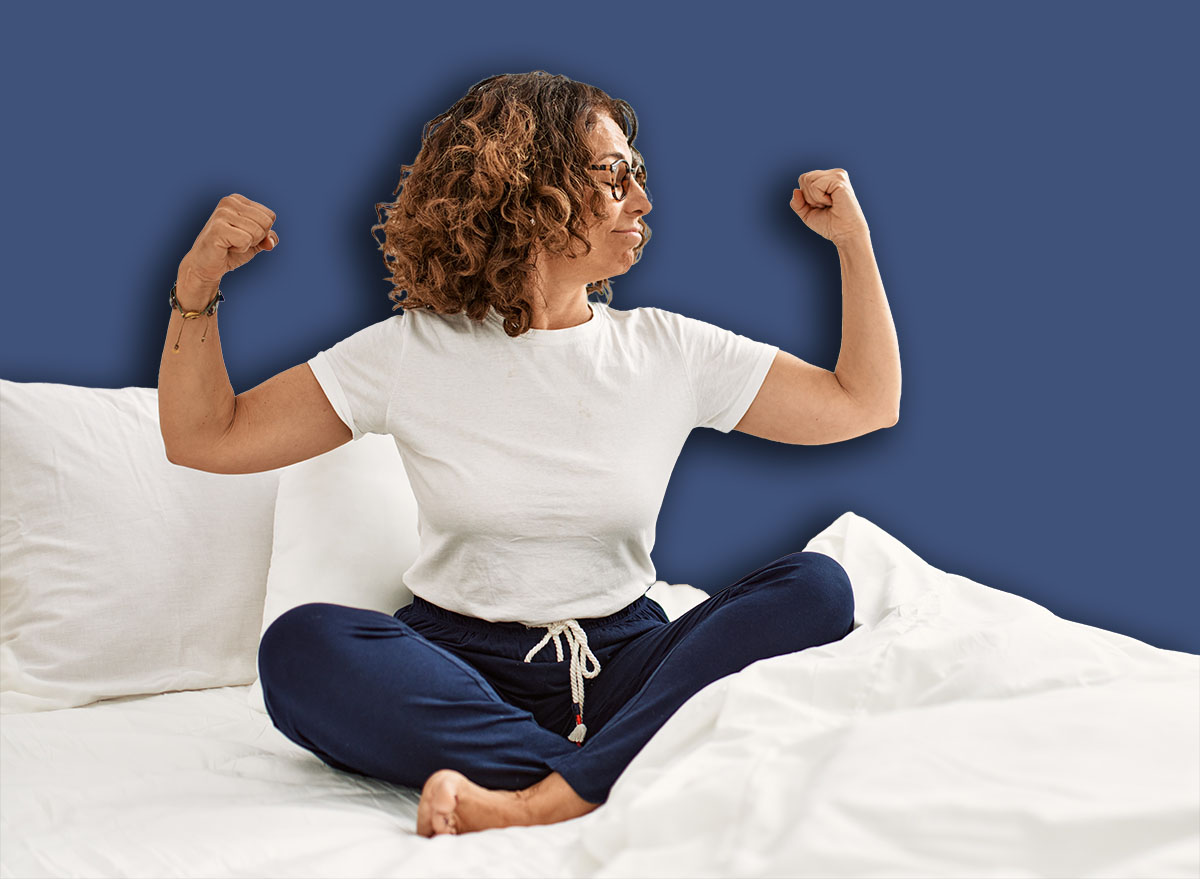

After 65, muscle loss rarely comes from a lack of effort. It usually comes from the wrong type of stress applied at the wrong time of day. Traditional weight training often overloads joints, spikes fatigue, and discourages consistency, especially first thing in the morning when tissues remain stiff and the nervous system still ramps up. That’s why many older adults train hard yet still feel weaker over time.
Research published in The Journal of Applied Physiology shows that low-load, controlled muscle contractions performed consistently can stimulate muscle protein synthesis in older adults almost as effectively as heavier resistance training, especially when movements emphasize time under tension and neuromuscular control rather than maximal load. This becomes even more effective when exercises occur in a relaxed, low-stress environment that encourages adherence and proper breathing.
Bed-based training removes fear, balance demands, and joint compression while still allowing muscles to contract, lengthen, and coordinate under control. When done correctly, these movements wake up dormant muscle fibers, improve circulation, and restore strength patterns that carry into standing and walking later in the day. This eight-minute routine prioritizes precision over intensity and connection over exhaustion, exactly what aging muscle responds to best.
Each minute builds on the last, gradually recruiting more muscle tissue without ever leaving the bed. No equipment, no strain, no rushing.
Minute 1: Supine Glute Press
Muscle rebuilding starts with the largest muscle groups, and few muscles influence overall strength more than the glutes. After 65, prolonged sitting and reduced stride length often leave the glutes underactive, forcing smaller muscles to compensate. This movement reintroduces strong hip extension without spinal loading or joint stress.
Lying flat removes balance demands, allowing full focus on muscular contraction. Pressing the heels into the mattress activates the posterior chain while the core stabilizes naturally. The slower the press, the more motor units wake up, helping rebuild strength rather than simply moving the body.
This drill also improves blood flow to the hips and lower back, setting the stage for better movement later in the day.
How to Do It
- Lie on your back with knees bent
- Press heels into the bed
- Squeeze glutes firmly
- Relax and repeat for 60 seconds.
Minute 2: Bent-Knee Marches
Hip flexors weaken quickly with age, yet they play a major role in walking speed and stair climbing. This exercise restores hip strength while retraining coordination between the legs and lower abdomen.
By lifting one knee at a time, the body engages stabilizers without tipping or twisting. The bed provides feedback and safety, allowing controlled repetitions rather than rushed motion. Each lift strengthens the hip while gently engaging the core to resist pelvic movement.
Consistent practice helps reduce shuffling gait and improves confidence when standing.
How to Do It
- Stay on your back
- Lift one knee toward chest
- Lower slowly
- Alternate sides for 60 seconds.
Minute 3: Bed-Supported Chest Press

Upper-body muscle loss often accelerates after 65, particularly in the chest and arms. This movement rebuilds pushing strength without shoulder strain or equipment.
Pressing the arms into the mattress creates resistance through isometric contraction. The chest, shoulders, and triceps engage together, stimulating muscle fibers without joint compression. Holding each press briefly increases time under tension, which aging muscles respond to exceptionally well.
This movement also improves shoulder stability and posture.
How to Do It
- Bend elbows with hands near chest
- Press arms firmly into bed
- Hold briefly
- Release and repeat for 60 seconds.
Minute 4: Side-Lying Leg Lifts
Lateral hip strength protects the knees, improves balance, and supports walking endurance. When these muscles weaken, everyday movement becomes tiring and unstable.
Side-lying removes spinal load while isolating the hips. Lifting the leg slowly recruits deep stabilizers that standing exercises often miss. This strengthens muscles responsible for pelvic control and reduces fall risk.
Precision matters more than height. Small, controlled lifts rebuild strength efficiently.
How to Do It
- Lie on one side
- Lift top leg slowly
- Lower with control
- Switch sides halfway through.
Minute 5: Overhead Arm Reaches
Loss of shoulder mobility and upper-back strength often limits daily tasks like dressing and reaching overhead. This movement restores both without strain.
Reaching overhead while lying down allows the shoulders to move freely while the upper back supports the motion. Controlled reaches engage the deltoids and upper back muscles while encouraging proper breathing patterns.
This helps rebuild strength in a lengthened position, which improves joint resilience.
How to Do It
- Lie on back with arms at sides
- Reach arms overhead
- Return slowly
- Continue for 60 seconds.
Minute 6: Heel Slides
Heel slides strengthen the thighs while protecting the knees. This movement improves joint nutrition and muscle engagement without impact.
Sliding the heel toward the body activates the hamstrings and quadriceps in a smooth, controlled manner. The bed surface allows easy movement while maintaining muscular tension.
Over time, this improves knee strength and confidence during standing transitions.
How to Do It
- Lie flat with legs extended
- Slide one heel toward hips
- Extend back out
- Alternate for 60 seconds.
Minute 7: Seated Core Brace (Bed-Supported)

Core strength after 65 depends less on crunching and more on controlled bracing. This movement teaches the abdominal muscles to engage without spinal flexion.
Sitting upright on the bed reduces balance demands while requiring the core to stabilize the torso. Gentle bracing during breathing trains endurance rather than fatigue.
This helps support posture throughout the day.
How to Do It
- Sit tall on bed edge
- Inhale through nose
- Exhale and gently brace core
- Repeat for 60 seconds.
Minute 8: Full-Body Tension Reset

This final minute reconnects the entire body. Gentle full-body tension improves neuromuscular communication, which plays a major role in maintaining strength with age.
Lightly pressing arms, legs, and core into the mattress creates global engagement without stress. This reinforces muscle activation patterns and leaves the body feeling stable rather than fatigued.
It’s the perfect way to finish before standing up.
How to Do It
- Lie flat
- Gently tense whole body
- Hold briefly
- Relax and repeat for 60 seconds.