4 Quiet Exercises That Restore Balance Better Than Treadmill Sprints After 60
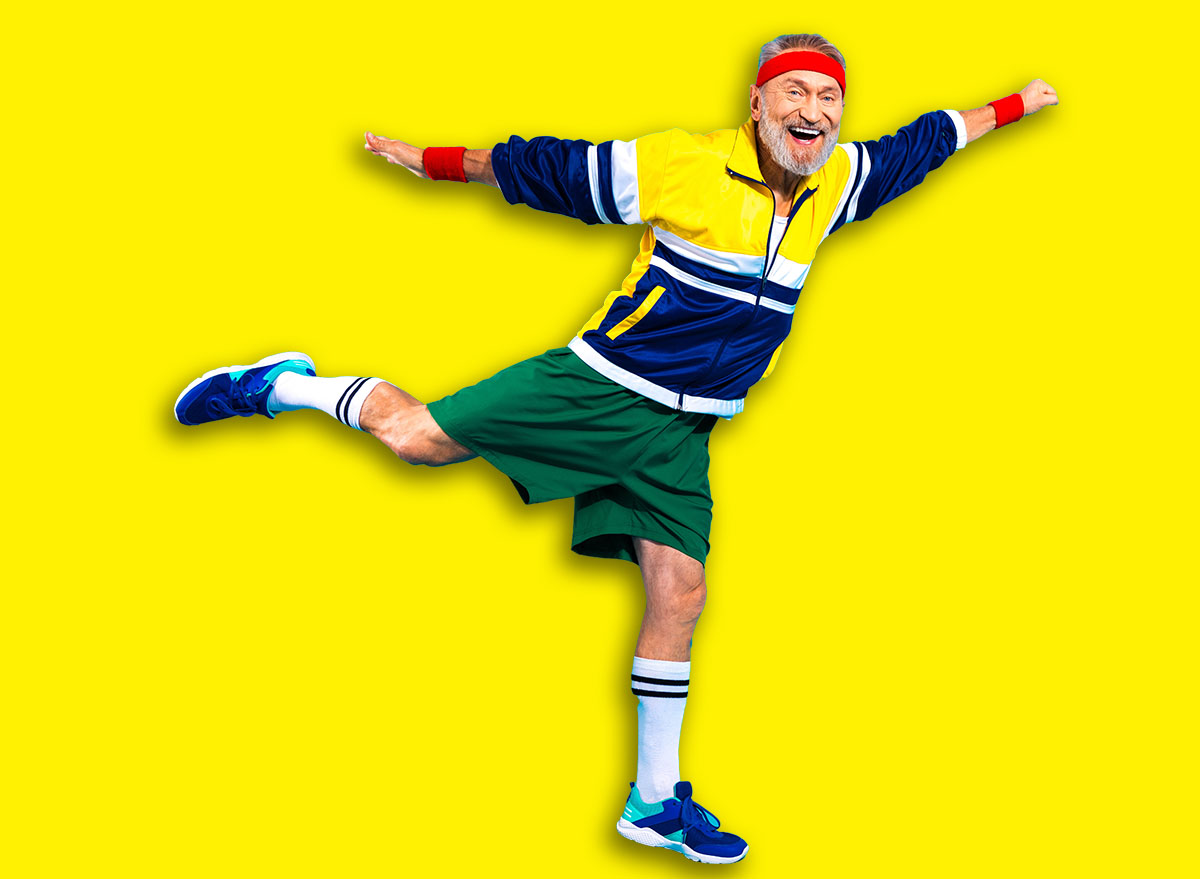

Improving balance as you age is one of the best gifts you can give yourself when it comes to self-care. Doing so can keep you mobile and independent. Without balance, you are at serious risk of falling and getting injured. Surprisingly, balance is strongly connected to your cognitive abilities, too. Your brain continuously processes signals from your muscles, inner ear, and eyes. Having good stability lowers the “cognitive load” on your brain, allowing it to focus on other mental tasks like memory and thinking.
To help you out, we learned four low-key yet effective exercises that can restore your balance better than treadmill springs after 60.
“When it comes to improving balance after 60, faster isn’t always better. In fact, quiet,
controlled movements often do more to restore stability because they train the body to
respond with strength, coordination, and awareness. Balance is about more than leg strength—it involves the muscles, joints, core, posture, and nervous system all working together. That’s why I often recommend slower, low- impact exercises that build confidence and control,” says Corry Matthews, Fitness, Nutrition, Hormone Health Expert, Former Professional Bodybuilder, and the co-founder of Strength & Grace Fitness, where she coaches women—especially throughout perimenopause and menopause on sustainable weight loss and hormone health.
Single-Leg Stand
The single-leg stand tests your stability, boosts coordination, and strengthens your ankles, legs, and feet.
“Since walking and climbing stairs often require single-leg stability, it directly supports everyday movement,” Matthews says.
- Stand tall on a flat surface with your feet hip-width apart and arms at your sides.
- Shift your body weight onto your left foot.
- Lift your right foot off the ground.
- Activate your core while keeping your shoulders stacked over your ribs and your hips level.
- The time begins once your leg comes off the floor and stops when your foot touches the ground.
- Hold the single-leg balance with your eyes closed.
- Repeat on the other side.
RELATED: 4 Classic Exercises That Reverse Aging Faster Than Cardio
Heel-to-Toe Walk
“Heel-to-toe walking improves coordination, posture, and lower-body control while
challenging balance in a safe, low-impact way. It also helps train the body to move more
confidently during daily activities,” Matthews tells us.
- Stand tall.
- Begin walking straight, placing one foot right in front of the other, heel to toe.
Sit-to-Stand
“Strong glutes, legs, and core are essential for balance. This movement improves the
strength needed for everyday independence while helping the body move with better control,” Matthews notes.
- Begin seated at the front of a sturdy chair, feet under your knees.
- Lean forward just a bit.
- Try to stand up without using your knees, hands, or additional support.
- Use control to slowly sit back down.
Standing March
“This exercise helps improve coordination and teaches the body to stabilize during
movement. It also challenges balance without high impact or excessive joint stress,” Matthews tells us.
- Stand tall with your feet shoulder-width apart and your knees soft. Make sure your spine is long and your arms are crossed high in a “genie” position.
- Then, lift one knee up toward your chest.
- Lower it.
- Lift the other knee up toward your chest.