4 Daily Exercises That Rebuild Core Strength Better Than Planks After 50
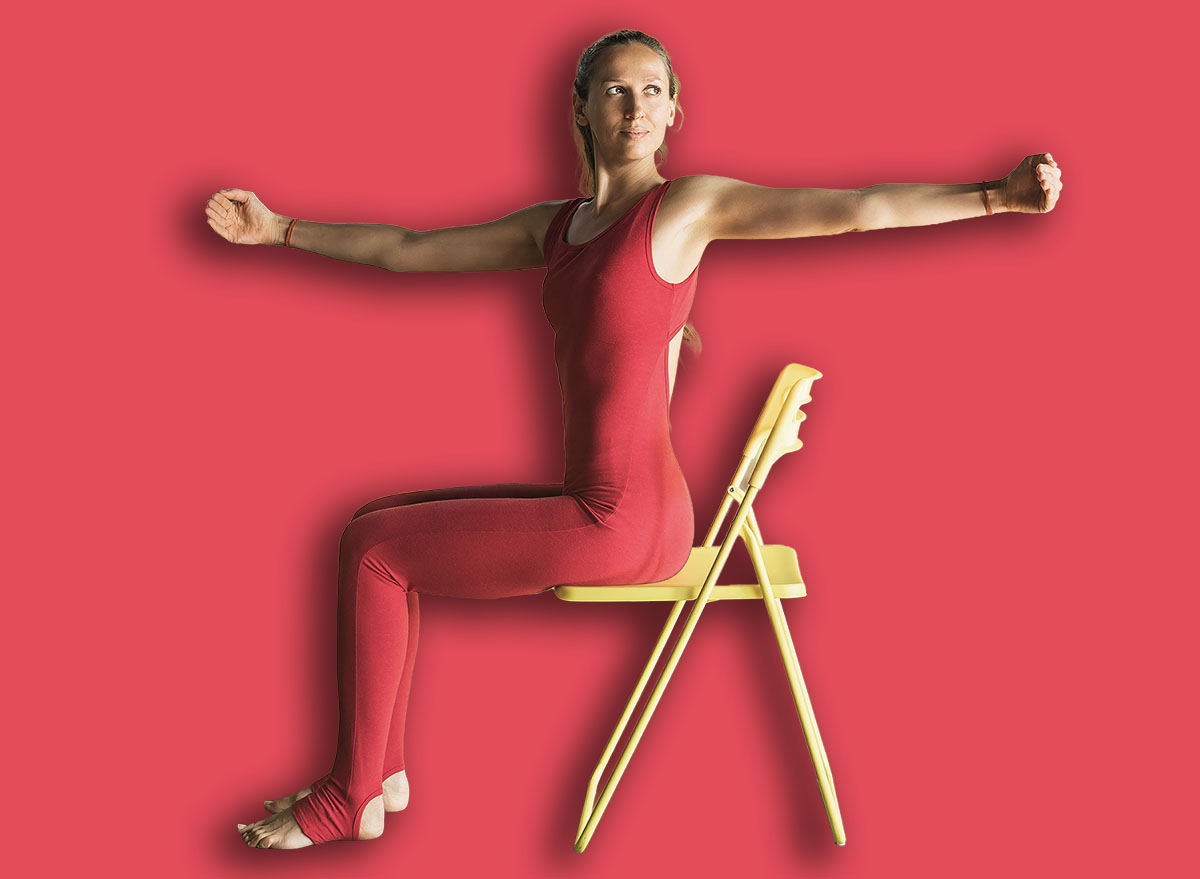

Rebuilding core strength after 50 requires more than holding your body stiff against the floor. While planks look effective on paper, they often limit breathing, reduce movement quality, and place unnecessary strain on the shoulders and lower back for aging joints. A truly strong core must stabilize, rotate, resist motion, and transfer force, all while you move through space the way you do in real life. That type of strength supports your spine, sharpens balance, and protects you every time you bend, twist, or reach.
After 50, your nervous system responds better to dynamic core work than static holds. Movement-based exercises teach your abs, obliques, hips, and lower back to work together under changing loads, rebuilding strength in a way that planks simply cannot match. These patterns improve posture, tighten the waistline, and restore the deep abdominal engagement that naturally declines with age. When your core learns to stabilize while your limbs move, you regain control over your body rather than bracing against gravity and hoping for results.
The four daily exercises below rebuild core strength from the inside out. Each one challenges your midsection to stabilize, rotate, or resist movement while staying upright or supported, no long floor holds required. Perform them consistently, focus on control instead of speed, and you’ll feel your core reconnect, strengthen, and support your body in ways planks never deliver.
Standing Cross-Body Knee Drives
Standing cross-body knee drives rebuild core strength by forcing your upper and lower body to communicate under controlled movement. Each repetition demands rotation, balance, and bracing at the same time, which lights up your obliques and deep stabilizers far more effectively than a static plank hold. Because you remain upright, your core works the way it does in daily life, supporting your spine while your hips and shoulders move independently. This pattern reinforces coordination and restores the ability to transfer force through your torso, a critical component of true core strength after 50. Performed slowly and with intent, this move tightens the waist and improves balance without stressing your neck or shoulders.
How to Do It
- Stand tall with feet hip-width apart and hands at your temples
- Lift your right knee as you rotate your torso toward it
- Return to center with control
- Switch sides and repeat
- Continue for 40–60 seconds with steady rhythm
Seated Lean-Back Rotations
This exercise rebuilds deep core strength by placing your torso in a mechanically disadvantaged position that forces your abs to stabilize continuously. Leaning back shifts the workload away from momentum and directly into your transverse abdominis, the muscle that acts like a natural weight belt around your waist. As you rotate side to side, your core resists collapse while controlling movement, strengthening the muscles responsible for posture and spinal support. Unlike planks, this position allows you to breathe freely, maintain control, and focus on quality contraction rather than simply surviving the hold. Over time, this drill restores endurance and control through your entire midsection.
How to Do It
- Sit with knees bent and feet flat on the floor
- Lean back until your abs engage firmly
- Extend arms forward at chest height
- Rotate slowly from side to side
- Continue for 30–45 seconds without rushing
Standing Marches With Core Lock
Standing marches rebuild core strength by teaching your abs to stabilize your pelvis while your legs move independently. Each knee lift challenges your lower abdominals to prevent rocking, tilting, or collapsing through the hips, exactly the type of control that weakens with age. The standing position adds a balance component that forces your core to fire reflexively, strengthening the muscles that protect your spine during walking, climbing stairs, and getting up from chairs. This move also reinforces upright posture, helping flatten the midsection by keeping your rib cage stacked over your hips. Done daily, it restores stability and confidence through controlled movement rather than static tension.
How to Do It
- Stand tall with hands on hips or at chest height
- Brace your core as if preparing for a cough
- Lift one knee to hip height without leaning back
- Lower slowly and switch sides
- Continue for 45–60 seconds
RELATED: 5 Bed Exercises That Flatten Lower Belly Pooch While You Wake Up After 60
Slow Standing Woodchoppers
Standing woodchoppers rebuild rotational core strength by forcing your abs and obliques to guide controlled movement across your body. This diagonal pattern trains your core to generate and resist force at the same time, a skill planks completely ignore. Moving slowly increases time under tension and teaches your torso to stay stable as your arms travel through space. The result builds functional strength that supports twisting, reaching, and lifting, movements that challenge the spine most after 50. Over time, this exercise sharpens coordination, tightens the waistline, and restores the kind of core power that carries into everyday life.
How to Do It
- Stand with feet shoulder-width apart
- Hold hands together at shoulder height
- Rotate diagonally across your body toward your opposite hip
- Return to start with control
- Perform 8–12 slow reps per side