6 Daily Exercises Men Should Do Each Day to Stay Strong After 60
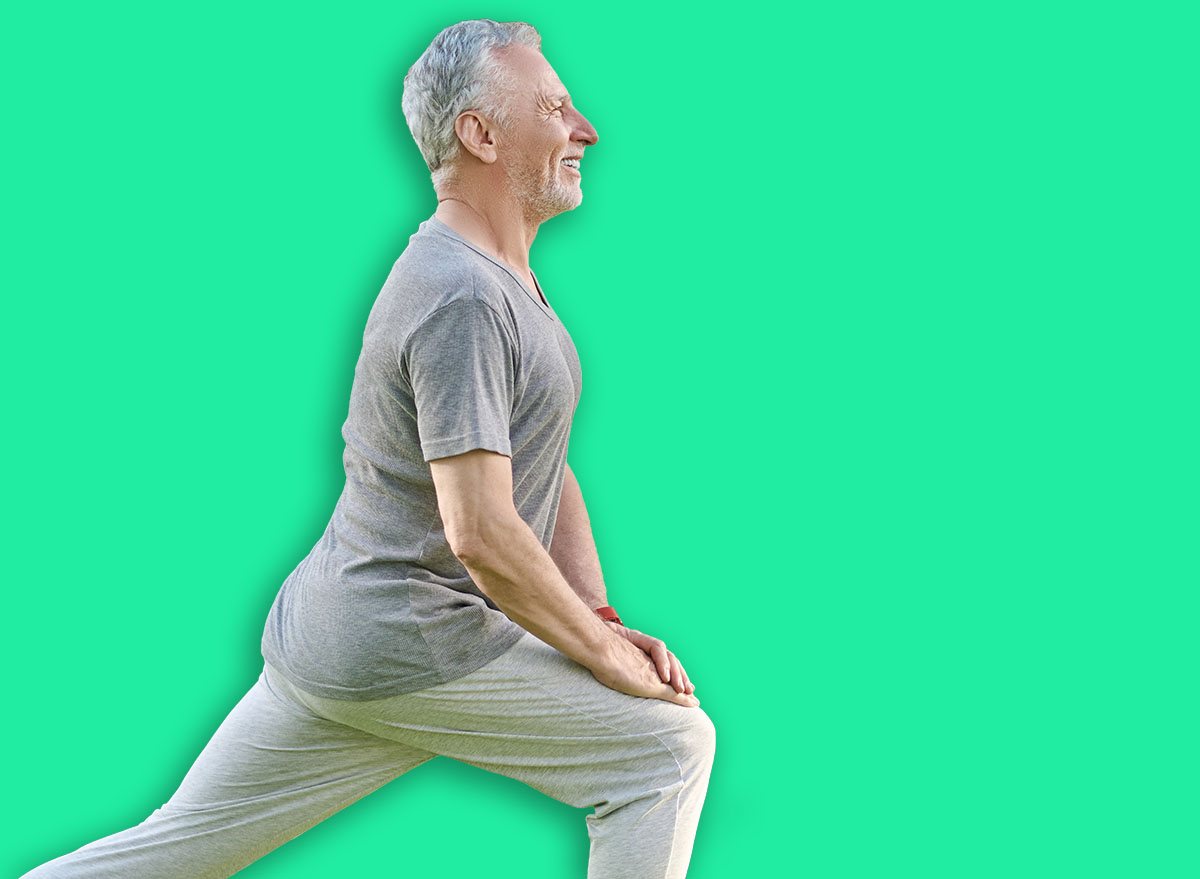

Staying strong after 60 comes back to a few basic jobs your body needs to keep doing well. You want to squat, push, pull, hinge, lunge, and brace. That’s the foundation of functional strength. Stand up from a chair, push yourself off the floor, pull yourself toward something, pick something up, step with control, and keep your core steady as life throws a little chaos your way.
The beauty of these movements is how practical they are. A squat helps with sitting and standing. Push-ups build the strength to press and brace. Deadlifts train the hinge pattern you use when lifting from the floor. Pull-ups build pulling strength, grip, and upper-back power. Lunges keep each leg strong on its own. Forearm planks teach your core to support your spine and hips.
I like this kind of daily strength work because it keeps training honest. You can scale every movement to your current level, then build from there. A squat can be a chair squat. A push-up can happen on a counter. A pull-up can start as a hang, assisted rep, or controlled hold. The version matters less than the quality. Clean reps, steady effort, and consistency make these basics work.
Think of this routine as your daily strength checklist. You’re not trying to bury yourself with volume. You’re giving your body regular practice in the patterns that help you move well, stay capable, and keep strength in the places that matter most.
Squat
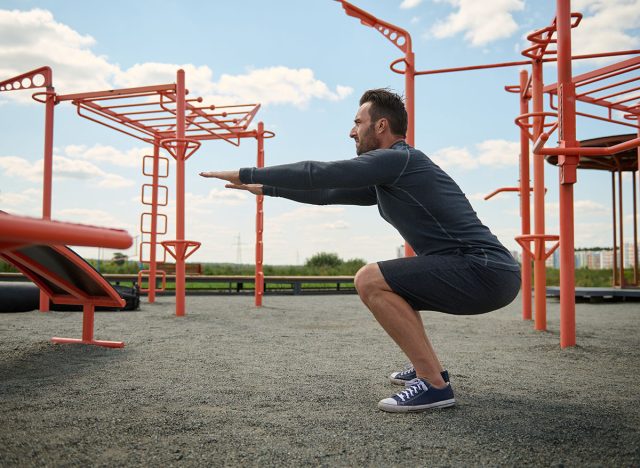
Squats train your quads, glutes, hamstrings, hips, and core while reinforcing one of the most important movements for men after 60. Every time you sit down, stand up, climb stairs, or get out of a low chair, your body uses some version of a squat. Practicing the movement daily helps keep your legs strong and your hips and knees moving through a range you can control. Keep the reps smooth, own your depth, and make each squat feel strong from the floor up.
Muscles Trained: Quadriceps, glutes, hamstrings, hips, core.
How to Do It:
- Stand with your feet about shoulder-width apart.
- Brace your core and keep your chest lifted.
- Push your hips back and bend your knees.
- Lower to a depth you can control.
- Drive through your feet to stand tall.
- Squeeze your glutes at the top.
Recommended Sets and Reps: Perform 2 to 3 sets of 8 to 15 reps. Rest for 45 seconds between each set.
Best Variations: Chair squats, box squats, bodyweight squats, goblet squats.
Form Tip: Keep your knees tracking with your toes and press through your whole foot.
Push-Ups
Push-ups train your chest, shoulders, triceps, and core while teaching your body to stay strong from head to heels. This movement supports pressing strength for getting up from the floor, pushing doors open, bracing with your hands, and keeping your upper body capable. The push-up also scales well, which makes it a strong daily option. Use a wall, counter, bench, or floor based on the version that lets you move with control.
Muscles Trained: Chest, shoulders, triceps, core.
How to Do It:
- Place your hands on the floor, a wall, a bench, or a sturdy, elevated surface.
- Step your feet back until your body forms a straight line.
- Brace your core and squeeze your glutes.
- Lower your chest toward your hands with control.
- Press through your hands to return to the starting position.
- Repeat while keeping your body aligned.
Recommended Sets and Reps: Perform 2 to 3 sets of 6 to 12 reps. Rest for 45 to 60 seconds between each set.
Best Variations: Wall push-ups, incline push-ups, knee push-ups, full push-ups.
Form Tip: Keep your elbows angled slightly back and your hips level.
Deadlift
Deadlifts train your hamstrings, glutes, back, grip, and core while building the hinge pattern you use whenever you pick something up. After 60, a strong hinge helps with lifting groceries, picking something up from the floor, moving yard tools, or carrying heavier objects with greater confidence. The deadlift does not have to mean a heavy barbell. Dumbbells, kettlebells, bands, or even a light object from home can teach the same pattern as long as you keep the movement clean.
Muscles Trained: Hamstrings, glutes, lower back, upper back, grip, core.
How to Do It:
- Stand with your feet hip-width apart and a weight in front of you.
- Brace your core and soften your knees.
- Push your hips back while keeping your back flat.
- Grip the weight with both hands.
- Drive through your feet and stand tall.
- Lower the weight with control by hinging at your hips.
Recommended Sets and Reps: Perform 2 to 3 sets of 6 to 10 reps. Rest for 60 seconds between each set.
Best Variations: Kettlebell deadlifts, dumbbell RDLs, trap bar deadlifts, bodyweight hip hinges.
Form Tip: Keep the weight close to your body and let your hips lead the movement.
Pull-Ups
Pull-ups train your lats, upper back, biceps, forearms, grip, and core. Pulling strength matters for posture, shoulder health, carrying, climbing, and keeping your upper body strong as the years stack up. Full pull-ups are a high-level goal, and there are plenty of solid ways to build toward them. Dead hangs, assisted pull-ups, slow negatives, and chin-up holds all count because they train the same pulling pattern with a level you can control.
Muscles Trained: Lats, upper back, biceps, forearms, grip, core.
How to Do It:
- Grip a pull-up bar with your hands about shoulder width apart.
- Brace your core and keep your legs still.
- Pull your shoulders down away from your ears.
- Drive your elbows toward your ribs.
- Pull your chest toward the bar.
- Lower yourself with control.
Recommended Sets and Reps: Perform 2 to 3 sets of 3 to 8 reps, or 10 to 20 second holds. Rest for 60 to 90 seconds between each set.
Best Variations: Dead hangs, assisted pull-ups, banded pull-ups, chin-up holds, slow negatives.
Form Tip: Start each rep by pulling your shoulders down before bending your elbows.
Lunge
Lunges train your glutes, quads, hamstrings, hips, and core while each leg works on its own. Men over 60 need that kind of one-leg control for walking, stairs, getting out of the car, stepping around objects, and staying steady on uneven ground. Lunges also help your hips stay strong and coordinated. Use a shorter range, hold onto support, or start with reverse lunges if that gives you a better rep.
Muscles Trained: Glutes, quadriceps, hamstrings, hips, core.
How to Do It:
- Stand tall with your feet hip-width apart.
- Step one foot forward or backward into a lunge.
- Brace your core and keep your torso tall.
- Lower until both knees bend comfortably.
- Press through your front foot to return to standing.
- Complete all reps, then switch sides.
Recommended Sets and Reps: Perform 2 to 3 sets of 6 to 10 reps per leg. Rest for 45 to 60 seconds between each set.
Best Variations: Reverse lunges, assisted lunges, split squats, walking lunges.
Form Tip: Keep your front knee tracking with your toes and your weight centered over your front foot.
Forearm Plank
Forearm planks train your abs, obliques, glutes, shoulders, and deep core. Bracing strength ties everything together because your core supports your hips, spine, and shoulders during nearly every movement. A strong plank helps you hold better positions when you squat, deadlift, push, pull, carry, and walk. The goal is a strong, steady hold with good breathing, not a marathon set that turns sloppy.
Muscles Trained: Abs, obliques, deep core, shoulders, glutes.
How to Do It:
- Place your forearms on the floor with your elbows under your shoulders.
- Step your feet back into a plank position.
- Brace your core and squeeze your glutes.
- Keep your body in a straight line from head to heels.
- Breathe steadily while holding tension.
- Lower your knees when the hold is complete.
Recommended Sets and Reps: Perform 2 to 3 sets of 20 to 45 seconds. Rest for 30 to 45 seconds between each set.
Best Variations: Knee planks, incline forearm planks, plank shoulder taps, long-lever planks.
Form Tip: Keep your ribs down and your hips level from start to finish.
How to Build Daily Strength After 60
Daily strength work should feel like practice with purpose. You’re training the patterns that keep men strong for real life: squat, push, pull, hinge, lunge, and brace. Keep the routine short enough to repeat, scale the movements to your ability, and focus on clean reps that leave you feeling better afterward.
- Run through the big six patterns: Squat, push, pull, hinge, lunge, and brace, covering the main ways your body needs to produce and control force.
- Scale every movement to match your body: Chair squats, incline push-ups, assisted pull-ups, light hinges, supported lunges, and shorter planks all work when the effort is honest.
- Keep the volume manageable: One to three rounds can be plenty for daily work. Save harder efforts for the days your body feels ready for more.
- Move with control: Smooth reps help your muscles stay engaged and keep your joints in better positions.
- Progress gradually: Add a rep, extend a plank by a few seconds, lower your push-up incline, use a slightly heavier weight, or reduce assistance over time.
Strong after 60 is built through simple movements done well. Squat, push, pull, hinge, lunge, and brace often enough, and you’ll keep the foundation of functional strength working in your favor.
References
- Brogno B. Aging With Strength: Functional Training to Support Independence and Quality of Life. Inquiry. 2025 Jan-Dec;62:469580251348133. doi: 10.1177/00469580251348133. Epub 2025 Jun 27. PMID: 40575939; PMCID: PMC12205185.
- Ruegsegger GN, Booth FW. Health Benefits of Exercise. Cold Spring Harb Perspect Med. 2018 Jul 2;8(7):a029694. doi: 10.1101/cshperspect.a029694. PMID: 28507196; PMCID: PMC6027933.