5 Daily Moves That Make Getting Off the Floor Easier After 65
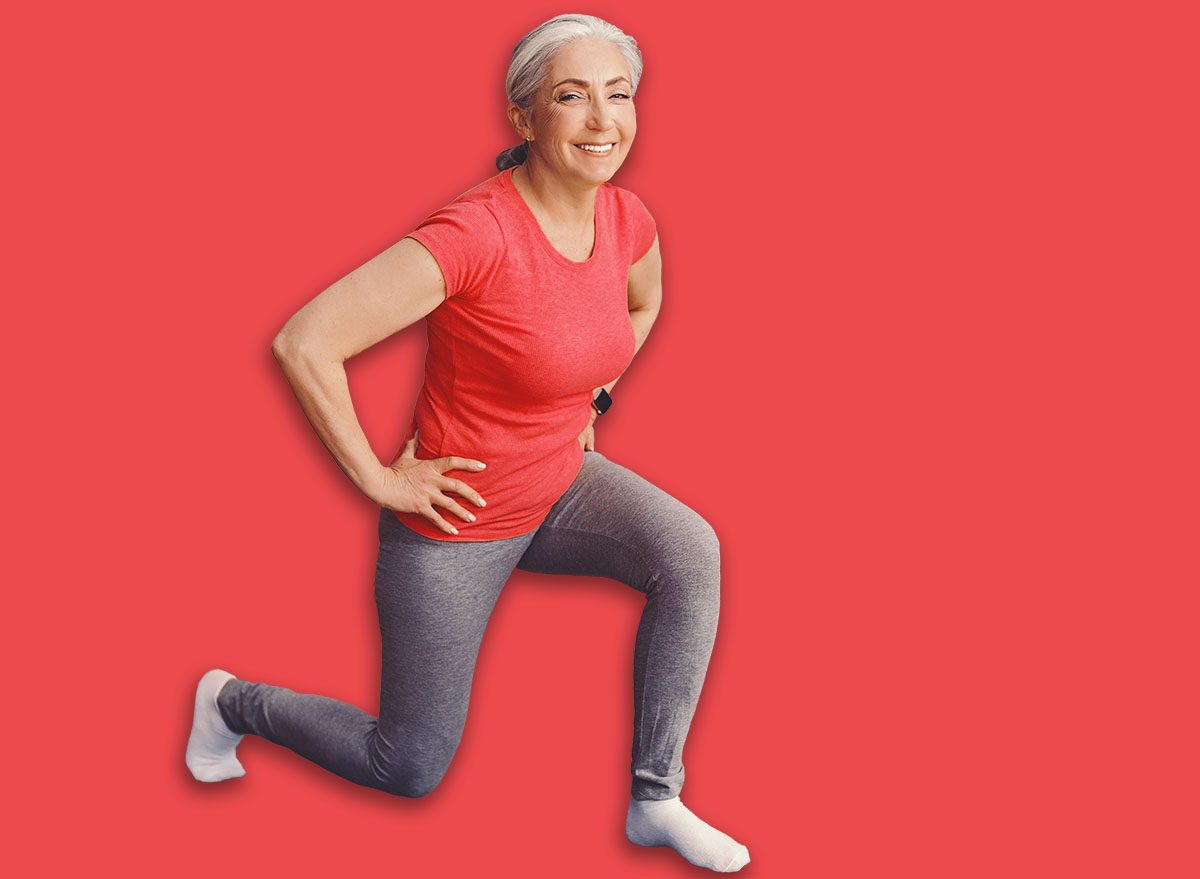

Getting off the floor after 65 is one of those skills people notice right away. It can affect how comfortable you feel stretching, gardening, playing with grandkids, or reaching for something that dropped under the couch. The movement takes strength, mobility, coordination, and enough confidence to trust the next step.
The best way to improve it is to practice the pieces before you need the full move. Your hips need room to shift. Your legs need enough strength to bring you upright. Your arms and core help you stay steady while you change positions.
In training sessions, this is often one of the most useful goals because progress feels immediate. A smoother roll, an easier step forward, or a stronger push from the floor can change how you feel about moving your body. These five moves build the parts of the floor-to-stand pattern without making the practice feel overwhelming.
Glute Bridge
The glute bridge gives your hips a simple job from the floor: press, lift, and control the way back down. That strength helps when you have to shift your pelvis, roll to one side, or start moving from a lower position. It’s also a good confidence builder before the get-up work gets more demanding because you can feel the glutes working without rushing.
Muscles Trained: Glutes, hamstrings, core.
How to Do It
- Lie on your back with your knees bent.
- Place your feet flat on the floor about hip-width apart.
- Rest your arms by your sides.
- Press through your feet and lift your hips.
- Pause briefly at the top.
- Lower your hips with control.
Recommended Sets and Reps: Perform 2 to 3 sets of 10 to 15 reps.
Best Variations: Glute bridge hold, single-leg glute bridge, glute bridge march.
Form Tip: Finish the rep by squeezing your glutes, not arching your lower back.
Quadruped Rock-Back
Getting off the floor usually starts with finding a comfortable hands-and-knees position. The quadruped rock-back helps with that by letting your hips and knees move through a deeper bend at a pace you control. It also teaches your body to shift weight without feeling stuck, which can make the next step of the get-up feel less awkward.
Muscles Trained: Hips, quads, shoulders, core.
How to Do It
- Start on your hands and knees.
- Place your hands under your shoulders.
- Keep your knees under your hips.
- Brace your core lightly.
- Rock your hips back toward your heels.
- Return to the starting position and repeat.
Recommended Sets and Reps: Perform 2 to 3 sets of 8 to 12 reps.
Best Variations: Smaller-range rock-backs, wide-knee rock-backs, hands-elevated rock-backs.
Form Tip: Move through a range that feels smooth on your knees and hips.
Tall Kneeling to Half-Kneeling
This is the point where many people feel that getting up off the floor either comes together or falls apart. Bringing one foot forward from tall kneeling asks your hips to open, your trunk to stay upright, and your balance to settle before you try to stand. Practicing it daily makes that half-kneeling position feel more familiar, which can take a lot of hesitation out of the full movement.
Muscles Trained: Glutes, quads, hips, core.
How to Do It
- Start in a tall kneeling position on a soft mat.
- Keep your torso upright.
- Bring one foot forward into a half-kneeling stance.
- Pause and steady your position.
- Return that knee to the floor.
- Switch sides and repeat.
Recommended Sets and Reps: Perform 2 to 3 sets of 5 to 8 reps per side.
Best Variations: Hands-supported half-kneeling transitions, smaller step forward, half-kneeling hold.
Form Tip: Use a chair, wall, or couch nearby if you need support.
Half-Kneeling Rise With Support
The half-kneeling rise trains the push that brings you from the floor to your feet. Your front leg does the main work while the chair or couch gives you enough support to stay calm and controlled. Keep the assistance light when you can, and let the working leg earn the rep.
Muscles Trained: Quads, glutes, hips, core.
How to Do It
- Start in a half-kneeling position beside a sturdy chair or couch.
- Place one hand lightly on the support.
- Keep your front foot flat on the floor.
- Press through your front foot.
- Rise to standing with control.
- Lower back to the half-kneeling position or reset from the floor.
Recommended Sets and Reps: Perform 2 to 3 sets of 4 to 6 reps per side.
Best Variations: Chair-assisted rise, higher-kneeling rise from a cushion, split squat to stand.
Form Tip: Let the support help your balance while your front leg does the work.
Seated Floor Get-Up to Chair Support
The seated floor get-up is where the practice starts to look like the skill itself. You learn how to turn, place your hands, bring a leg underneath you, and use nearby support without rushing. It’s a useful daily drill because it makes the floor feel less intimidating and gives you a clear path back to standing.
Muscles Trained: Hips, quads, glutes, shoulders, core.
How to Do It
- Sit on the floor beside a sturdy chair or couch.
- Turn onto one hip and place one hand on the floor.
- Bring one knee underneath you.
- Place your other foot forward into a half-kneeling position.
- Use the chair lightly for balance.
- Press through your front foot and stand.
Recommended Sets and Reps: Perform 2 to 3 reps per side, moving slowly.
Best Variations: Assisted floor get-up, couch-supported get-up, partial floor get-up practice.
Form Tip: Break the movement into steps and pause whenever you need to reset.
How to Feel More Confident Getting Off the Floor
Getting off the floor gets easier when you practice it before it feels urgent. These moves help you build the strength and positions that make the full transition smoother, but the biggest change comes from consistency. Keep a sturdy chair or couch nearby so every rep feels safe. Start with the pieces that feel easiest, then spend a little more time on the transition that feels least familiar. A few minutes of daily practice can make the floor feel less like a problem and more like a position you can move through.
- Use padding under your knees: A folded towel or mat can make kneeling work much more comfortable.
- Keep support close: A chair, couch, or wall gives you options while you build confidence.
- Practice both sides: One side may feel smoother, but both sides need attention.
- Move slowly through transitions: Pauses help you stay organized and avoid rushing.
- Build leg strength separately: Sit-to-stands, step-ups, and supported lunges can make floor work feel easier.
- Stay calm if a rep feels awkward: Reset, use more support, and try the movement in smaller pieces.
References
- Brogno, Brian. “Aging With Strength: Functional Training to Support Independence and Quality of Life.” Inquiry : a journal of medical care organization, provision and financing vol. 62 (2025): 469580251348133. doi:10.1177/00469580251348133
- Szychowska, Agnieszka, and Wojciech Drygas. “Physical activity as a determinant of successful aging: a narrative review article.” Aging clinical and experimental research vol. 34,6 (2022): 1209-1214. doi:10.1007/s40520-021-02037-0