6 Home Exercises That Restore Muscle Tone Faster Than Gym Classes After 60

Many adults over 60 notice changes in muscle tone that seem to happen almost overnight. Arms look softer, legs lose some definition, and everyday tasks that once felt effortless suddenly require more effort. As a trainer, I’ve seen this happen countless times, but I’ve also watched clients reverse much of that decline through consistent strength-focused movement at home. You don’t need crowded fitness classes or expensive memberships to rebuild strength and improve muscle tone.
One of the biggest misconceptions about getting toned after 60 involves believing you need long, exhausting workouts. In reality, muscle responds best to consistent resistance and regular movement patterns that challenge the body safely. The people who achieve the best results often stick with simple exercises they can perform several times each week rather than chasing complicated programs. A few effective movements performed regularly create far greater results than occasional bursts of motivation.
I’ve spent years helping older adults regain strength, confidence, and physical capability, and many of the most impressive transformations happened entirely at home. These exercises target the major muscle groups responsible for maintaining posture, mobility, balance, and overall muscle definition. Focus on controlled repetitions and quality movement rather than rushing through each set. Over time, you’ll build stronger muscles that not only look better but also help you move better throughout daily life.
Bodyweight Squats
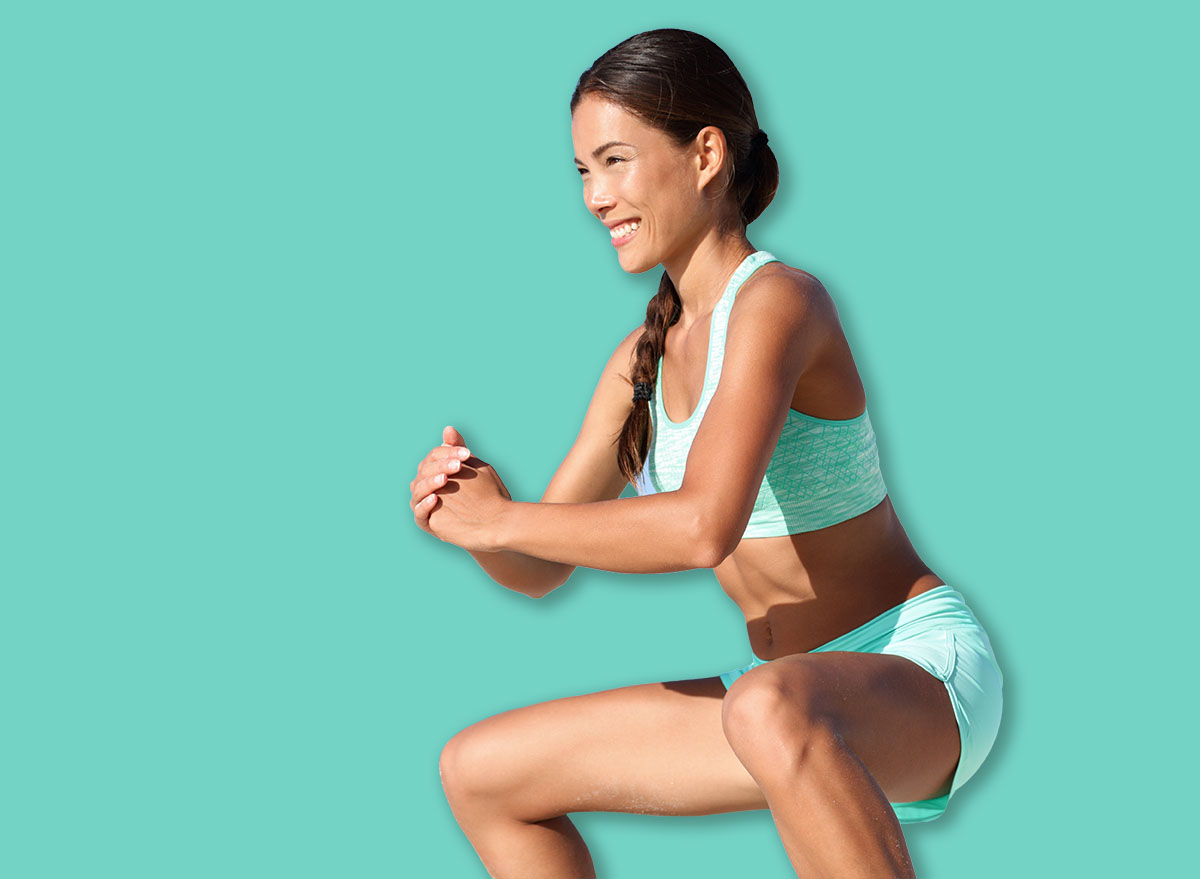
Whenever clients ask me which exercise delivers the most overall value, bodyweight squats almost always make the list. The movement strengthens the quadriceps, glutes, hamstrings, and core while reinforcing one of the most important patterns in daily life: standing up and sitting down. Many adults lose muscle tone in the lower body because they simply don’t challenge those muscles often enough. Squats encourage multiple muscle groups to work together, creating a powerful stimulus for strength and muscle development. Performed consistently, they help restore firmness throughout the legs and hips while supporting better balance and mobility.
How to Do It
- Stand with feet about shoulder-width apart.
- Keep your chest tall and core engaged.
- Push your hips back.
- Lower until comfortable.
- Drive through your heels to stand.
- Complete 10 to 15 repetitions.
Wall Push-Ups
Upper-body muscle tone often declines faster than people expect after 60, especially when daily activities no longer challenge the chest, shoulders, and arms. Wall push-ups provide a safe and highly effective way to rebuild strength without requiring floor work. I frequently prescribe them because they allow clients to control the difficulty while strengthening several muscle groups simultaneously. The movement improves pushing strength, encourages better posture, and helps restore firmness throughout the upper body. Many people feel stronger within just a few weeks of practicing them consistently.
How to Do It
- Stand facing a wall.
- Place your hands slightly wider than shoulder width.
- Step your feet back.
- Bend your elbows and lower toward the wall.
- Push yourself back to the starting position.
- Perform 10 to 15 repetitions.
Glute Bridges
Strong glutes contribute to better posture, stronger walking mechanics, and improved lower-body muscle tone. Unfortunately, prolonged sitting often leaves these muscles underactive. Glute bridges help wake them up while strengthening the hips, hamstrings, and core. I use this movement frequently with older clients because it builds strength without placing pressure on the knees or lower back. Consistent practice helps create a firmer backside while supporting healthier movement patterns during everyday activities.
How to Do It
- Lie on your back with knees bent.
- Place your feet flat on the floor.
- Tighten your core.
- Drive through your heels.
- Lift your hips until your body forms a straight line.
- Lower slowly and repeat 12 to 15 times.
Bird Dog
Few exercises challenge balance, coordination, and core strength as effectively as the bird dog. While it may appear simple, the movement requires multiple muscle groups to stabilize the body at the same time. I often include it in home programs because it strengthens the back, glutes, shoulders, and deep abdominal muscles without requiring equipment. Many clients notice improvements in posture and body control after adding it to their routine. Strong stabilizing muscles help create a more toned appearance while supporting safer movement throughout the day.
How to Do It
- Start on your hands and knees.
- Extend your right arm forward.
- Extend your left leg behind you.
- Hold briefly.
- Return to the starting position.
- Alternate sides for 10 repetitions per side.
Standing Calf Raises
The lower legs often receive very little attention despite playing a critical role in walking, balance, and mobility. Standing calf raises strengthen the calves and ankles while helping improve lower-leg muscle definition. I regularly recommend them because they require no equipment and fit easily into almost any home workout. Strong calves contribute to better stability and confidence during everyday movement. They also help maintain the muscular support needed for active aging.
How to Do It
- Stand tall behind a sturdy chair.
- Hold the chair lightly for support.
- Rise onto your toes.
- Pause at the top.
- Lower slowly.
- Perform 15 to 20 repetitions.
Standing Knee Drives
I like finishing home routines with a movement that combines strength, balance, and cardiovascular activity. Standing knee drives challenge the core, hips, and legs while encouraging better coordination and mobility. The rhythmic motion elevates the heart rate slightly and activates many of the muscles responsible for daily movement. Clients often tell me they feel more energized after completing a set because the exercise engages the entire body. It’s an excellent way to reinforce strength gains while promoting overall physical function.
How to Do It
- Stand tall with feet hip-width apart.
- Lift one knee toward your chest.
- Lower with control.
- Alternate sides.
- Keep your torso upright.
- Continue for 30 to 60 seconds.