4 Morning Exercises That Rebuild Knee Strength Faster Than Squats After 65
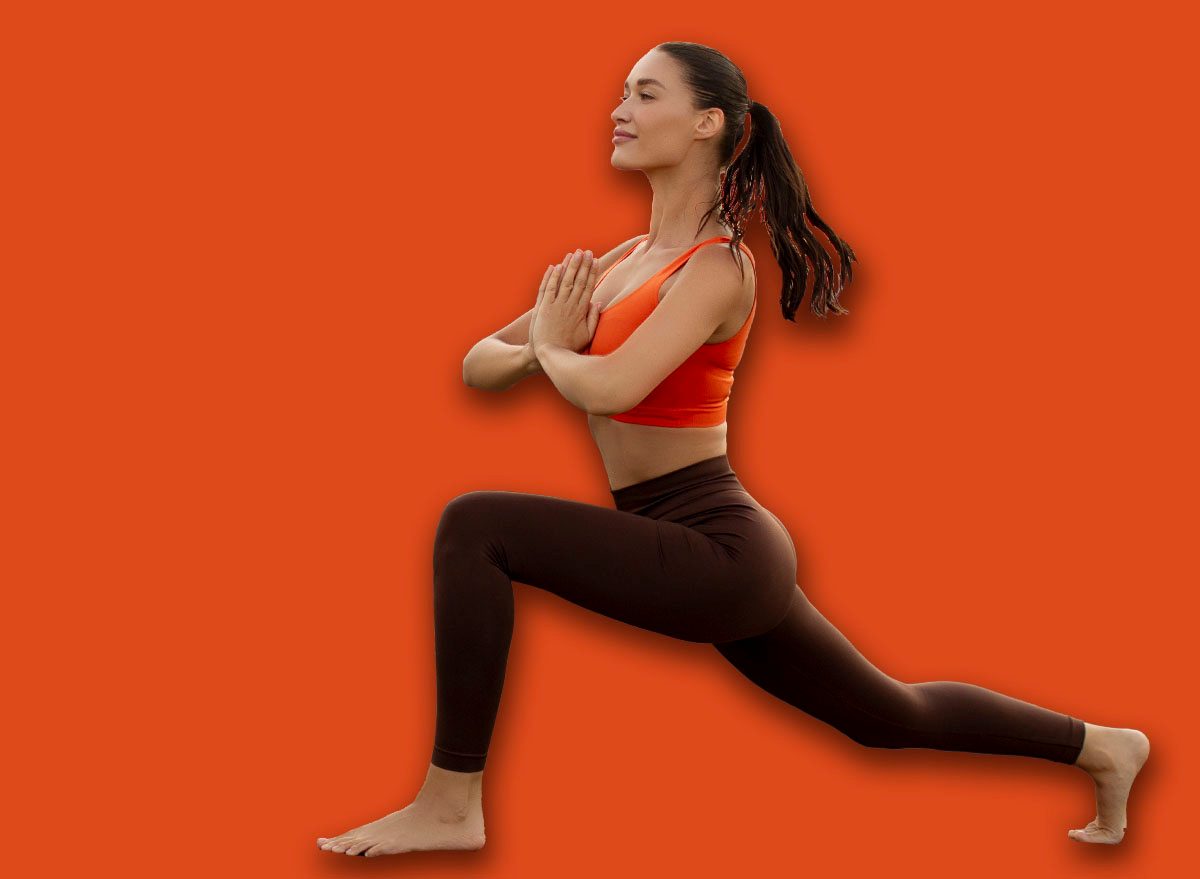

Most of us have been there. You wake up, rise and shine, and next thing you know, your knees start telling you how the day’s going to go before you’ve done much of anything. The first few steps feel stiff. Standing from a chair takes more effort than it should. A short strength routine can help your knees feel more supported before the day asks more of them.
Squats have value, but knee strength typically improves faster when the plan goes beyond one movement. Your knees need stronger thighs, better hip support, and enough control to handle stairs, chairs, and uneven ground. These exercises train those pieces without turning the morning into a long workout.
For clients over 65, I want knee movement that feels clear from the first rep. The goal is to build strength around the joint while keeping the movements joint-friendly and easy to repeat. Start with a comfortable range, use support when needed, and make each rep look clean.
Use these four morning exercises three to five days per week. Start with two rounds, then build to three once your knees feel steady.
Low Box Step-Up
Step-ups are one of the most useful knee-strength exercises because they train the same pattern you use on stairs. The low box keeps the range manageable, while the working leg builds strength through the thigh and hip. I’d start here before chasing deeper squat ranges because the step height is easy to adjust. If the knee feels jumpy, lower the box and slow the rep down.
Muscles Trained: Quads, glutes, hamstrings, calves, core.
How to Do It
- Stand facing a low box or sturdy step.
- Place one foot fully on the box.
- Press through that foot to stand on top.
- Bring your other foot up with control.
- Step back down slowly.
- Complete your reps before switching sides.
Recommended Sets and Reps: Perform 2 to 3 sets of 6 to 10 reps per side.
Best Variations: Lower step-up, supported step-up, step-up with a pause.
Form Tip: Let the top leg lift you without bouncing off the floor.
Split Squat ISO Hold
A steady hold can build knee strength that people often miss when they rush through reps. The split squat ISO hold asks your front leg to stay strong in one position, which helps the thigh muscles learn to support the knee without extra motion. This works well in the morning because you can keep the range small and controlled. Hold a counter, wall, or chair if balance distracts from the leg work.
Muscles Trained: Quads, glutes, hamstrings, calves, core.
How to Do It
- Stand in a split stance with one foot forward and one foot back.
- Hold a sturdy surface for support if needed.
- Bend both knees slightly.
- Lower into a comfortable split squat position.
- Hold steady while breathing.
- Stand tall, reset, and switch sides.
Recommended Sets and Reps: Perform 2 to 3 holds of 15 to 30 seconds per side.
Best Variations: Higher split squat hold, supported split squat hold, shorter-duration hold.
Form Tip: Keep pressure through your whole front foot during the hold.
Glute Bridge
Knees often feel better when the hips do their share of the work. The glute bridge trains the support from the floor, so your legs get a break from standing while the hips still build strength. Stronger glutes help control how the thigh lines up when you walk, step, or rise from a chair. Pause at the top long enough to feel the hips finish the rep.
Muscles Trained: Glutes, hamstrings, core.
How to Do It
- Lie on your back with your knees bent.
- Place your feet flat on the floor about hip-width apart.
- Rest your arms by your sides.
- Press through your feet and lift your hips.
- Pause briefly at the top.
- Lower your hips with control.
Recommended Sets and Reps: Perform 2 to 3 sets of 10 to 15 reps.
Best Variations: Glute bridge hold, elevated glute bridge, single-leg bridge.
Form Tip: Squeeze your glutes at the top without arching your lower back.
Bodyweight Box Squat
Finish with the box squat when your knees and hips feel ready to bend more. The box gives you a clear target, which helps control depth and keeps the movement consistent from rep to rep. This version is often more forgiving than free squats because you can choose the seat height and build strength from a range that feels solid. Start with a taller box, then lower it as your control improves.
Muscles Trained: Quads, glutes, hamstrings, core.
How to Do It
- Stand in front of a sturdy box or chair.
- Set your feet about shoulder-width apart.
- Slightly push your hips back toward the box.
- Bend your knees and lower with control.
- Lightly touch the box.
- Press through your feet to stand tall.
Recommended Sets and Reps: Perform 2 to 3 sets of 8 to 12 reps.
Best Variations: Taller box squat, supported box squat, slow-tempo box squat.
Form Tip: Touch the box lightly instead of fully relaxing onto it.
RELATED: 5 Standing Exercises That Trim Waist Thickening Faster Than Gym Sessions After 60
How to Build Stronger Knees in the Morning

Morning knee work should leave you feeling more prepared, not worn down. Start with the lowest version of each exercise that lets you move well. A low step, a higher split squat hold, or a taller box can still build strength when the reps feel controlled. Give your knees a few minutes to warm up before adding more range. Over time, stronger hips and thighs can make daily movement feel less guarded.
- Start small: Use a lower step and taller box until your knees feel steady.
- Use support early: A hand on the wall or counter helps you focus on the working leg.
- Slow down the lowering phase: Controlled lowering builds strength around the knee without rushing the joint.
- Keep the holds honest: The split squat hold should feel strong, not shaky from the first few seconds.
- Walk after the routine: A short walk keeps your knees warm and makes movement easier.
- Progress one change at a time: Add reps, seconds, or range before adding load.
References
- Park, Soo Yeon et al. “Aging-related changes in knee flexor muscle strength and cross-sectional area.” Medicine vol. 101,42 (2022): e31104. doi:10.1097/MD.0000000000031104
- Rudolph, Katherine S et al. “Age-related changes in strength, joint laxity, and walking patterns: are they related to knee osteoarthritis?.” Physical therapy vol. 87,11 (2007): 1422-32. doi:10.2522/ptj.20060137