5 Bed Exercises That Trim Lower Belly Faster Than Floor Workouts After 60
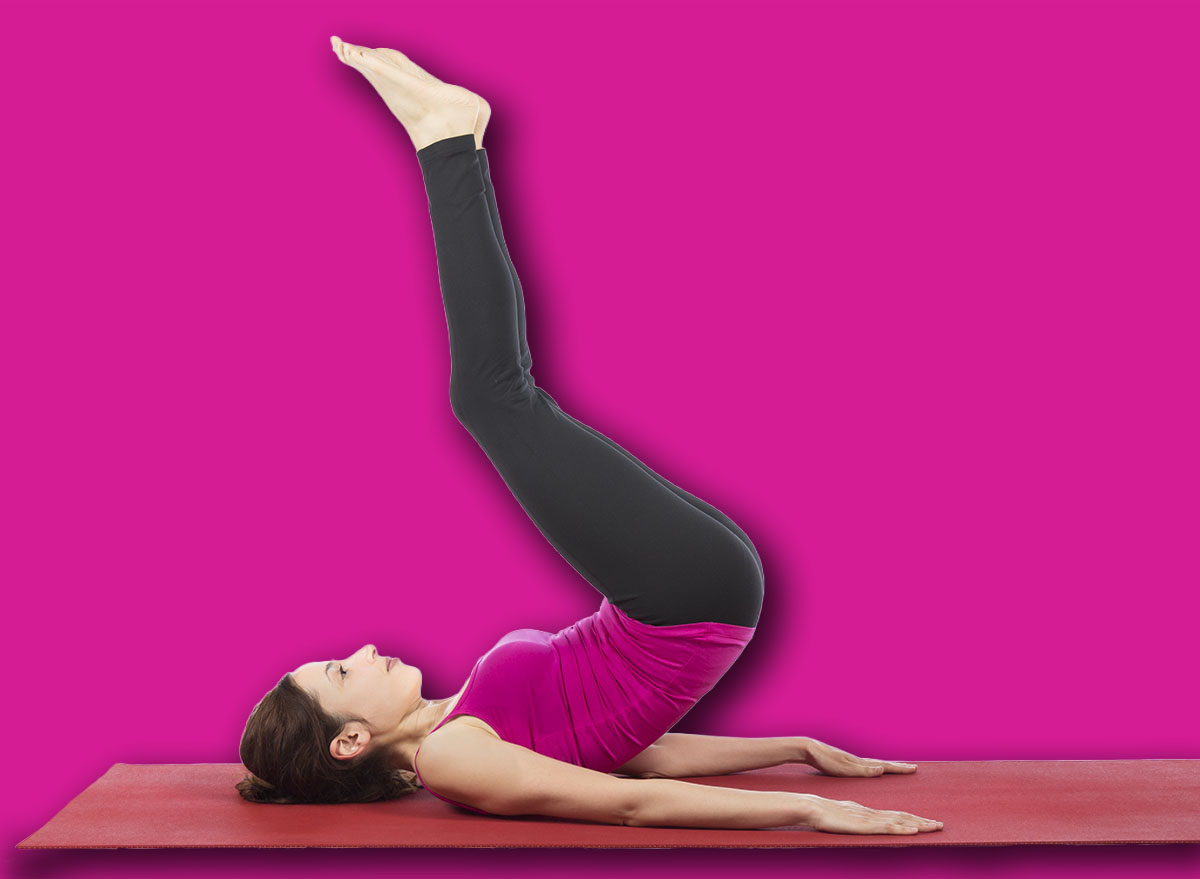

A tighter lower belly after 60 demands movements that challenge your core without stressing your back, hips, or joints. Traditional floor exercises often load your spine in awkward angles, and plenty of people over 60 struggle with discomfort before they even feel their abs activate. Bed-based training removes that barrier by giving you a cushioned surface that protects your tailbone, supports your lower back, and encourages deeper engagement in the muscles that actually flatten the lower abdomen. When your body relaxes into comfort, your core fires more efficiently and consistently, which leads to faster progress with far less strain.
This routine leans into deliberate, controlled tension, the key to reshaping the lower belly at any age, but especially after 60. Each move creates a long-lever challenge that forces your deep stabilizers to brace, tighten, and support your pelvis while your legs move through space. That combination trims the lower-ab “pooch” area far more effectively than standard floor workouts, which often rely on momentum or hip flexors instead of true core engagement. When you slow the pattern down and keep your spine supported by the bed, your abs take over instantly and stay active from start to finish.
You’ll feel these exercises work from the first few reps because each one targets the hard-to-reach layers that influence posture, pelvic control, and waistline shape. The softness of the bed keeps pressure off sensitive joints, making it easier to move through the full range and maintain tension where you need it most. With daily practice, you’ll build a midsection that feels firmer, moves with more power, and sits flatter under clothing. Settle onto your mattress and start this sequence, your core will engage deeply without a single hard floor workout.
Bed Heel Slides
Your lower abs respond best when your pelvis stays stable under slow, precise leg movement, and heel slides drive that exact pattern with minimal strain. The bed’s surface reduces friction just enough to help you move smoothly while still forcing your core to tighten and control every inch of the slide. As your leg extends, your lower belly braces to prevent your hips from tipping, and this subtle stabilization does more for flattening the lower abdomen than most traditional crunch variations. The gentle pressure on the mattress encourages proper pelvic alignment, delivering deep activation through the area people struggle with most after 60.
How to Do It:
- Lie on your back with knees bent and feet on the bed.
- Brace your core and slowly slide one heel forward until your leg nears full extension.
- Pause, then slide it back in with control.
- Switch legs.
- Continue for 40–60 seconds.
Supported Lower-Ab Leg Lifts
This pattern strengthens the deep core while sparing your lower back, making it far more effective and accessible than floor-based leg lift variations. The soft surface allows your tailbone to settle naturally, so your pelvis remains supported instead of tipping forward into strain. As you lift and lower your legs, your lower abs work to keep everything steady, creating the exact type of tension that draws the waistline inward. The movement feels gentle, but the activation runs deep, especially when you slow the lowering phase and avoid momentum entirely.
How to Do It:
- Lie on your back with hands resting lightly beside you.
- Bend your knees and lift your legs so your shins run parallel to the bed.
- Lower your feet point straight above the mattress with slow control.
- Lift them back to the start without swinging.
- Continue for 30–45 seconds.
Bed Pelvic Tilts with Lift
Pelvic tilts engage the deepest layers of your core, and combining them with a small lift intensifies the contraction through the lower belly. The bed’s cushioning helps you access the movement without gripping through your hip flexors or straining your spine. As you tilt your pelvis and lift smoothly, your abs shorten and tighten at an angle that flattens the area below the navel. This controlled pattern teaches your body to brace properly, improving core strength and posture at the same time.
How to Do It:
- Lie on your back with knees bent and feet flat.
- Gently tilt your pelvis toward your ribs until your lower back melts into the bed.
- Lift your hips a few inches using your abs, not your glutes.
- Lower slowly and repeat.
- Continue for 30–45 seconds.
Modified Bed Reverse Crunches
This variation cushions your spine while shifting the load directly into your lower abs. The mattress softens the pressure on your back, helping you curl your hips off the bed with better form and deeper engagement. Each lift activates the muscles that flatten and tighten the lower belly far more effectively than torso-based crunches. The key lies in lifting from your core rather than swinging your legs, and the bed helps guide that stable, controlled form.
How to Do It:
- Lie on your back with hands at your sides.
- Bend your knees and draw them toward your chest.
- Curl your hips slightly off the bed using your lower abs.
- Lower slowly without dropping your legs.
- Repeat for 8–12 reps.
Dead Bug Slides
Dead bugs rank among the best core-stability drills, and doing them on the bed adds an extra layer of control and lower-belly activation. The sliding leg motion forces your deep core to resist rotation while keeping your spine neutral, a combination that tightens the lower abs quickly when performed daily. The softness of the mattress encourages a smooth path for each leg, giving you more control and better form than the hard floor. Every rep reinforces the stability and coordination your midsection needs to stay firm and functional after 60.
How to Do It:
- Lie on your back with arms lifted toward the ceiling and knees bent.
- Extend one leg forward, sliding your heel along the bed.
- At the same time, lower the opposite arm behind you.
- Return to the start and switch sides.
- Continue for 40–60 seconds.