5 Chair Exercises That Restore Walking Endurance Faster Than Treadmills After 60
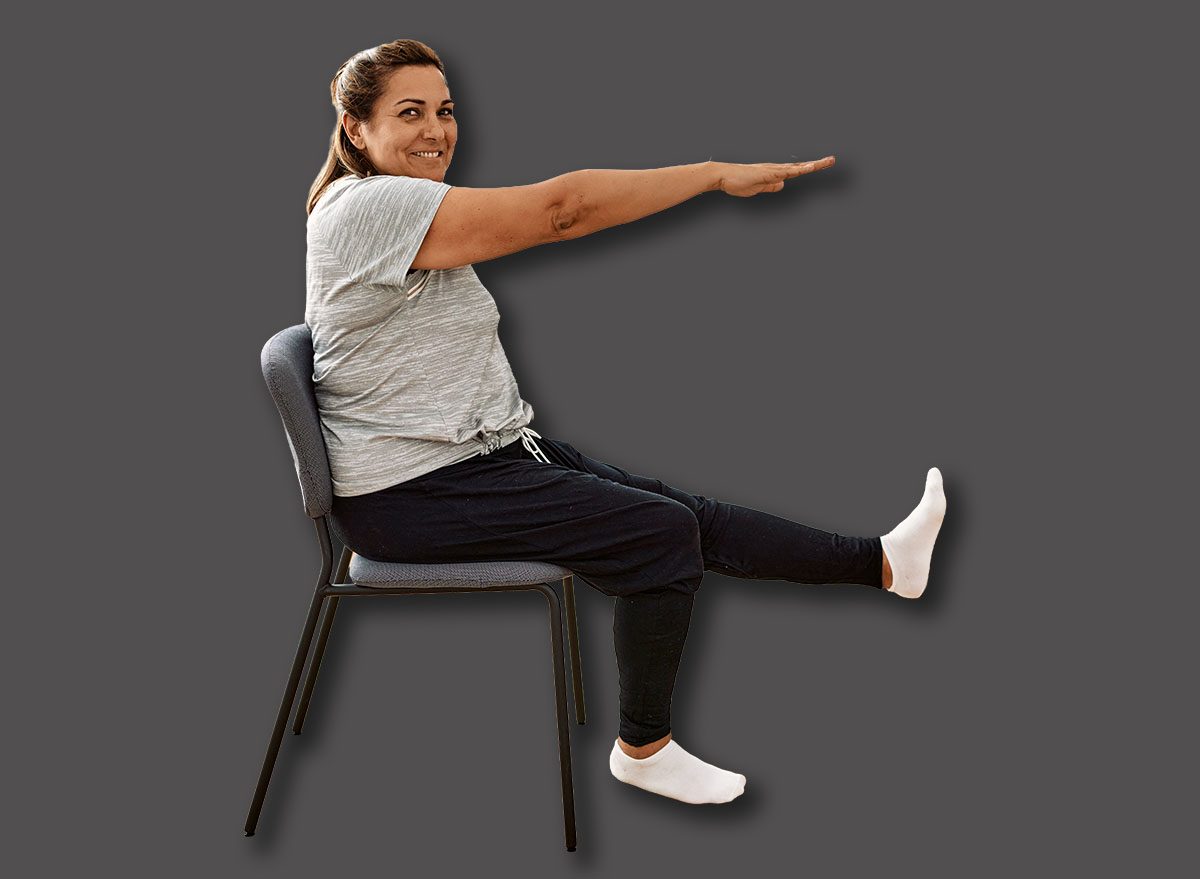

Walking endurance after 60 often declines not because of age alone, but because the muscles that support movement stop working efficiently together. Many people turn to treadmills, which help with repetition, but they don’t always rebuild the strength and coordination needed to sustain longer walks. I’ve coached clients in this stage for years, and the fastest improvements usually come from targeted exercises that strengthen the legs while reinforcing controlled, repeatable movement patterns.
Chair exercises provide the perfect starting point. They reduce impact, improve confidence, and allow you to focus on muscle engagement without worrying about balance or fatigue from standing too long. When the body feels supported, you can move with better control, and that control leads to stronger, more efficient movement over time.
Another key factor involves consistency. Short, daily sessions that activate the legs and core outperform longer, occasional workouts. When those muscles receive regular stimulation, they begin to support your walking stride more effectively, which leads to better endurance.
The following exercises target the muscles used in walking: quads, hips, calves, and core. While also improving coordination and control. Sit tall, move steadily, and focus on smooth, consistent movement.
Seated March With Hold
This movement closely mimics the mechanics of walking while keeping the body supported. I use it often because it trains the hip flexors and upper legs to lift and control each step without relying on momentum. That control becomes essential for improving walking endurance.
Lifting one knee at a time forces the core and legs to work together. Holding briefly at the top increases time under tension and strengthens the muscles responsible for lifting the leg during each step. Over time, this translates directly into a smoother, more efficient walking pattern.
How to Do It
- Sit tall with feet flat
- Lift one knee toward your chest
- Hold for 2–3 seconds
- Lower slowly
- Alternate legs continuously
Seated Leg Extensions With Tempo
This exercise strengthens the quadriceps, which play a major role in supporting each step you take. I include it frequently because stronger quads help reduce fatigue and improve stability during longer walks.
Extending the leg and lowering it slowly keeps the muscle under tension throughout the movement. That controlled effort builds endurance and strength at the same time. Over time, this helps the legs handle longer periods of walking without tiring as quickly.
How to Do It
- Sit upright with feet flat
- Extend one leg forward
- Lower slowly over 3–4 seconds
- Keep your core tight
- Alternate legs.
Seated Heel Raises
The calves play a crucial role in pushing the body forward during walking. I’ve seen many clients struggle with endurance simply because their calves fatigue too quickly. That’s why this exercise remains a staple, it rebuilds that push-off strength.
Raising your heels while seated allows you to focus entirely on the contraction. Holding briefly at the top increases intensity, while lowering slowly keeps the muscles engaged. Over time, this improves walking efficiency and reduces fatigue.
How to Do It
- Sit tall with feet flat
- Lift your heels off the ground
- Hold briefly at the top
- Lower slowly
- Repeat steadily.
Seated Knee Extensions With Hold and Flex
This variation increases intensity by adding a hold and muscle contraction at the top. I use it because it strengthens the legs while improving muscle control, both key factors in walking endurance.
Extending the leg and tightening the thigh at the top forces the muscle to stay fully engaged. That sustained contraction builds endurance and improves the muscle’s ability to handle repeated effort. Over time, this leads to stronger, more reliable movement.
How to Do It
- Sit upright with feet flat
- Extend one leg forward
- Tighten the thigh at the top
- Hold for 2–3 seconds
- Lower slowly and alternate.
Seated Toe Taps
This final movement improves coordination and rhythm, both of which play a major role in walking efficiency. I often finish routines with this exercise because it ties together strength and timing.
Tapping your toes in an alternating pattern keeps the legs moving continuously. This builds endurance while reinforcing a steady pace. Over time, this helps improve walking rhythm and reduces fatigue during longer periods of movement.
How to Do It
- Sit tall with heels on the ground
- Lift one toe at a time
- Alternate quickly but with control
- Keep your core engaged
- Continue steadily.