4 Home Exercises That Firm Love Handles Faster Than Leg Press After 60
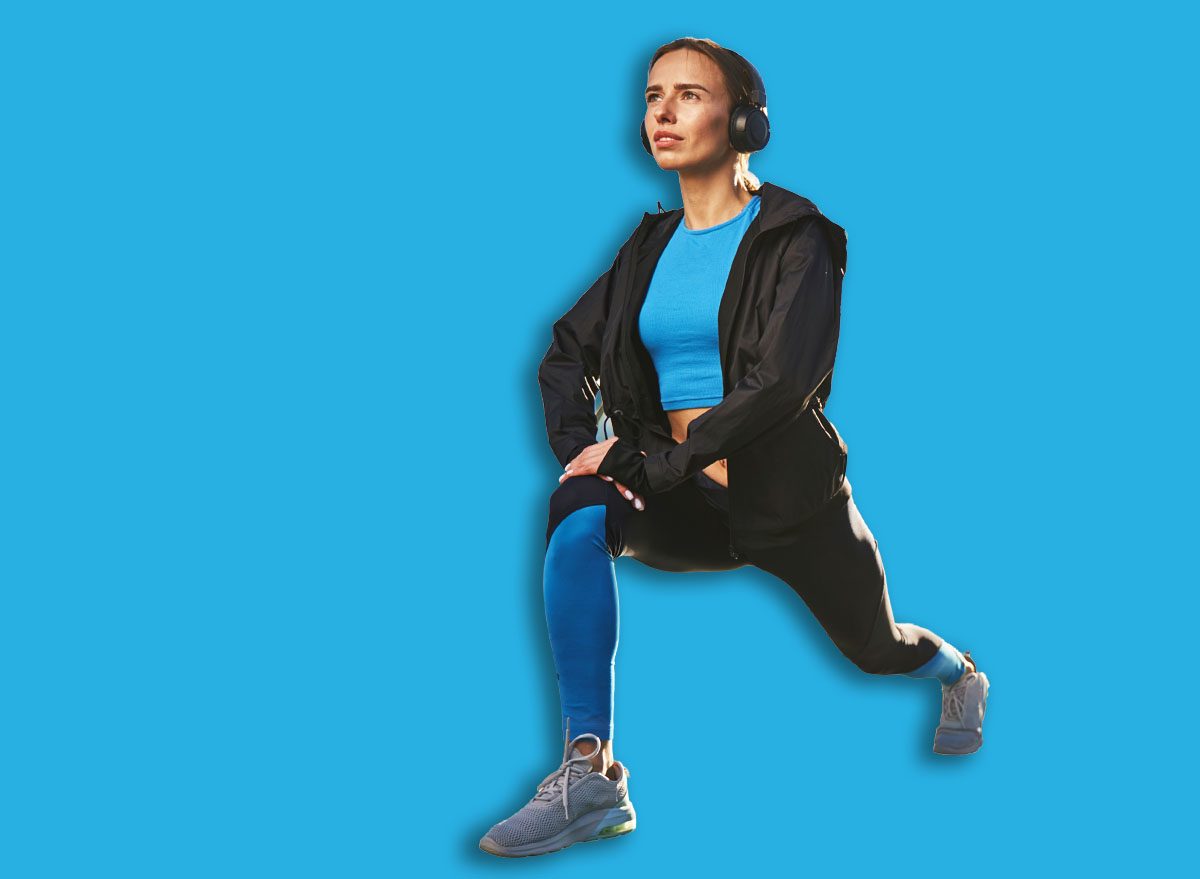

Love handles may get the catchy name, but the real focus is your waist, hips, core, and overall body composition. After 60, the area around the sides of the midsection can feel softer when daily movement drops, lean muscle needs more attention, and nutrition habits drift away from your current goals. A smart home routine can help by training larger muscle groups, strengthening your core, and making movement easier to repeat.
The leg press can build lower-body strength, especially for the quads and glutes. Home exercises offer a more practical full-body advantage. Step-ups and walking lunges train your legs while your core works to keep you steady. Side planks strengthen the muscles along your waist. Weighted walks add simple loaded movement, which supports posture, grip, core strength, and calorie burn.
When I coach this type of goal, I like exercises that feel doable without feeling watered down. You want movements you can perform in a hallway, living room, driveway, or around the block. The simpler the setup, the easier it becomes to stay consistent, and consistency is what helps your body composition move in the right direction.
This routine keeps things accessible while still giving your body meaningful work. You’ll step, lunge, brace, and carry, which engages your legs, hips, obliques, glutes, and core. Keep the reps controlled, use support when helpful, and choose a pace that lets you move well.
Step-Ups
Step-ups train your quads, glutes, hamstrings, calves, and core while building strength through a movement you use every day. Each rep asks one leg to drive your body upward while your midsection keeps your torso steady. This makes step-ups a strong home exercise for firming love handles because they target large muscles, increase overall effort, and challenge balance without requiring a machine. Use a low step at first, then increase the height once the movement feels smooth.
Muscles Trained: Quadriceps, glutes, hamstrings, calves, core.
How to Do It:
- Stand facing a sturdy step, stair, or low box.
- Place your whole foot on the step.
- Brace your core and keep your chest lifted.
- Press through your lead foot to stand tall.
- Step back down with control.
- Complete all reps, then switch sides.
Recommended Sets and Reps: Perform 3 sets of 8 to 10 reps per leg. Rest for 45 to 60 seconds between each set.
Best Variations: Low step-ups, assisted step-ups, slow step-downs.
Form Tip: Let your lead leg lift your body and keep your knee tracking with your toes.
Walking Lunges
Walking lunges train your glutes, quads, hamstrings, hips, and core as you move forward with control. Your legs do the main strength work, while your midsection keeps your posture steady as your weight shifts from one side to the other. This gives the movement more total-body value than a seated machine because your balance, hips, and core all stay involved. Start with shorter steps, then build into a deeper range as your legs feel stronger.
Muscles Trained: Glutes, quadriceps, hamstrings, hips, core.
How to Do It:
- Stand tall with your feet hip-width apart.
- Step forward with one leg into a lunge.
- Lower your back knee toward the floor with control.
- Press through your front foot to step forward.
- Repeat on the opposite leg.
- Continue alternating sides with a steady posture.
Recommended Sets and Reps: Perform 3 sets of 6 to 10 reps per leg. Rest for 45 to 60 seconds between each set.
Best Variations: Reverse lunges, assisted walking lunges, shorter-step lunges.
Form Tip: Keep your torso tall and drive through your whole front foot.
Side Planks
Side planks train your obliques, deep core, shoulders, and outer hips. The muscles along the sides of your waist help support posture, balance, and trunk control, making side planks a smart addition for firming the love-handle area. This exercise also teaches your core to stay steady without requiring much movement. Start with a bent-knee version if needed, then build your hold time as your strength improves.
Muscles Trained: Obliques, deep core, shoulders, outer hips.
How to Do It:
- Lie on your side with your forearm under your shoulder.
- Stack your feet or stagger them for more support.
- Brace your core and lift your hips off the floor.
- Keep your body in a straight line from head to heels.
- Hold the position while breathing steadily.
- Lower with control and switch sides.
Recommended Sets and Reps: Perform 3 sets of 15 to 30 seconds per side. Rest for 30 seconds between each set.
Best Variations: Bent-knee side planks, staggered-feet side planks, side plank with top-leg lift.
Form Tip: Press your forearm into the floor and keep your hips lifted.
Weighted Walks
Weighted walks train your core, grip, shoulders, upper back, glutes, and legs while adding simple loaded movement to your day. Hold dumbbells, kettlebells, grocery bags, or a backpack and walk with a tall posture. Your abs and obliques help keep your body steady, especially when the load feels challenging. Weighted walks fit love handle goals well because they combine strength, posture, and calorie burn in a way that feels natural and easy to repeat.
Muscles Trained: Core, obliques, grip, shoulders, upper back, glutes, legs.
How to Do It:
- Hold a weight in each hand or carry a loaded backpack.
- Stand tall with your shoulders relaxed.
- Brace your core before you start walking.
- Walk forward with smooth, controlled steps.
- Keep your chest lifted and your posture strong.
- Set the weights down with control when the walk ends.
Recommended Sets and Reps: Perform 3 walks of 30 to 60 seconds. Rest for 60 seconds between each carry.
Best Variations: Farmer walks, suitcase walks, backpack walks.
Form Tip: Walk tall and keep your ribs stacked over your hips.
How to Firm Your Waist at Home After 60
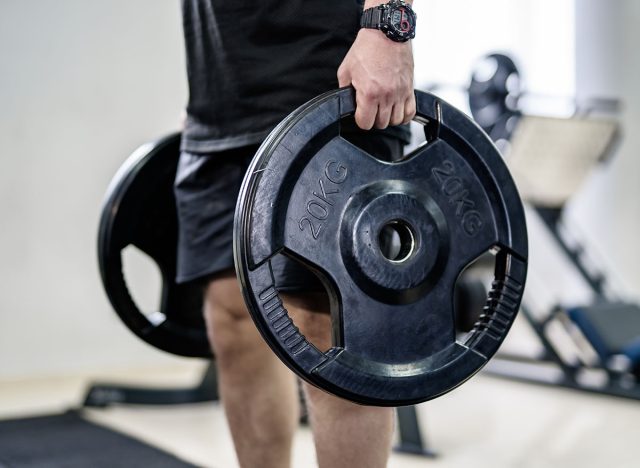
Firming love handles works best when your plan combines strength work, core training, daily movement, and nutrition habits that support body composition. These home exercises help because they engage more of your body than a single-machine pattern. Your legs, hips, glutes, core, grip, and posture all play a role.
- Use lower-body movements for more total work: Step-ups and walking lunges target large muscles and increase the session’s effort. More muscle involvement supports a stronger training effect.
- Train your waist directly: Side planks strengthen the obliques and deep core muscles that support the sides of your midsection. Better core control helps your waist feel firmer and more stable.
- Add loaded walking: Weighted walks build practical strength and increase daily movement. They also train the core in a standing position, which carries over well to real life.
- Keep the routine easy to repeat: A stair, a little floor space, and a pair of weights or loaded bags can cover the whole workout. Simple tools make consistency easier.
- Support the work with steady habits: walking, protein-focused meals, smart portions, and regular strength sessions all help shift body composition over time.
A firmer waist after 60 comes from steady, practical work you can keep doing. Step, lunge, brace, and carry with control, and you’ll train the muscles that help your midsection look and feel stronger.
References
- Lee J, Kim J. Effects of an 8-week lunge exercise on an unstable support surface on lower-extremity muscle function and balance in middle-aged women. Phys Act Nutr. 2022 Dec;26(4):14-21. doi: 10.20463/pan.2022.0020. Epub 2022 Dec 31. PMID: 36775647; PMCID: PMC9925109.
- Melchiorri G, Triossi T, Viero V, Marroni S, D’Arcangelo G, Tancredi V. A Study about a New Standardized Method of Home-Based Exercise in Elderly People Aged 65 and Older to Improve Motor Abilities and Well-Being: Feasibility, Functional Abilities and Strength Improvements. Geriatrics (Basel). 2022 Nov 25;7(6):134. doi: 10.3390/geriatrics7060134. PMID: 36547270; PMCID: PMC9777551.