5 Morning Exercises That Restore Hamstring Strength Faster Than Lunges After 60
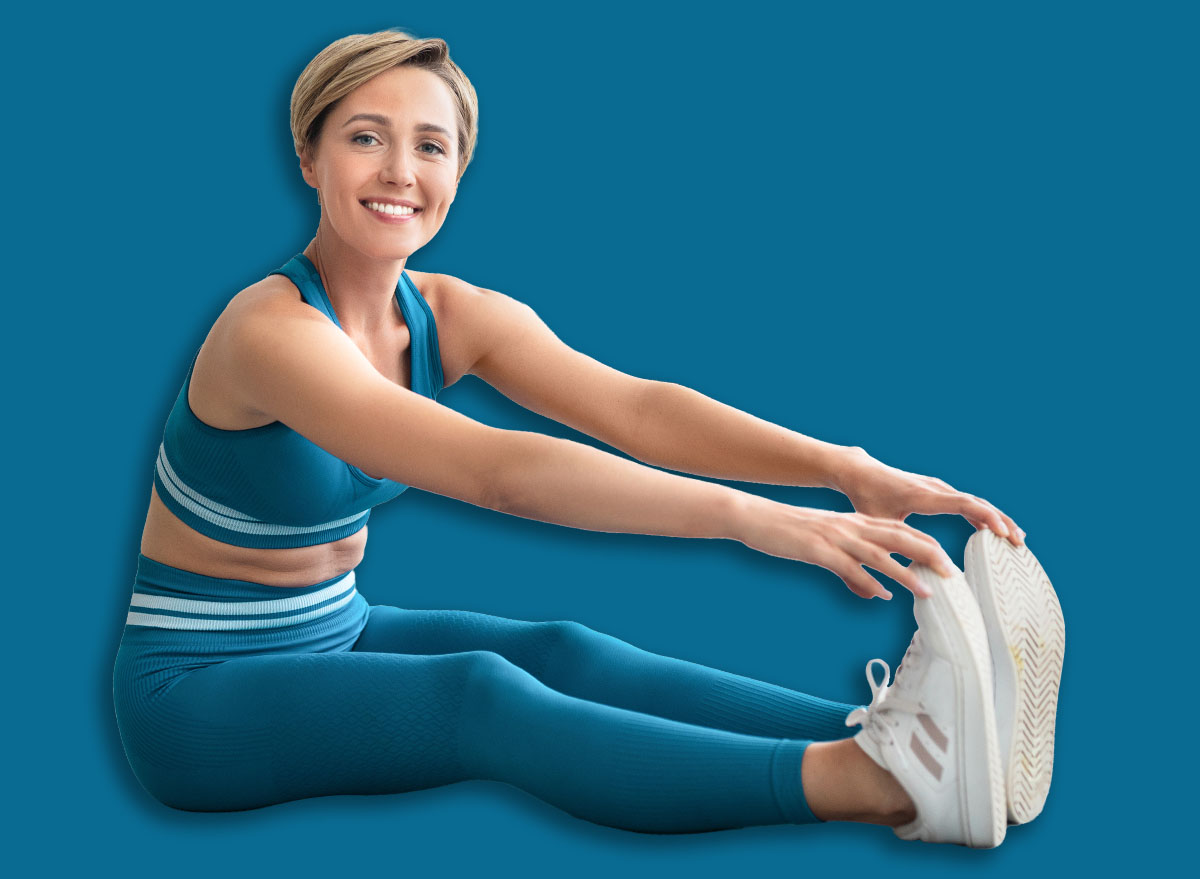

Hamstrings do a lot more than bend your knees. They help your hips extend, support your knees from the back side, give your stride more power, and work with your glutes to make bending, lifting, walking, and climbing stairs feel smoother. After 60, giving the back of your legs some focused morning work can make your whole lower body feel more awake and ready for the day.
Lunges are a solid lower-body exercise, but they tend to spread the work across the quads, glutes, hips, and core. Hamstrings often need a more direct signal. Hinge patterns, bridge variations, curls, and controlled single-leg work give the backs of your legs more time under tension and a clearer job of building strength.
A good hamstring routine should teach you how to lengthen the muscle under control, then shorten it with strength. That’s the coaching cue I’d use here: feel the stretch, own the position, and return with intent. Bands, dumbbells, sliders, and bodyweight movements all work well because each tool gives your hamstrings a slightly different challenge without making the routine complicated.
Use these exercises in the morning as a focused backside-strength reset. Keep the reps smooth, move through a range you can control, and let your hamstrings, glutes, and hips do the work from the first rep.
Banded Good Mornings
Banded good mornings train your hamstrings, glutes, lower back, and core while reinforcing a strong hip hinge. The band adds tension as you stand tall, which teaches your hips to drive forward while your hamstrings help control the movement. This exercise works well in the morning because it wakes up the back of your legs without needing heavy weights. Move slowly on the way down and feel your hamstrings lengthen before returning to standing.
Muscles Trained: Hamstrings, glutes, lower back, core.
How to Do It:
- Stand on the middle of a resistance band with your feet hip-width apart.
- Loop the band around your upper back or hold the ends near your shoulders.
- Brace your core and soften your knees.
- Push your hips back as your torso leans forward.
- Stop when you feel your hamstrings working.
- Drive your hips forward to return to standing.
Recommended Sets and Reps: Perform 3 sets of 10 to 15 reps. Rest for 45 seconds between each set.
Best Variations: Bodyweight good mornings, tempo good mornings, staggered-stance good mornings.
Form Tip: Keep your spine long and make your hips lead the movement.
Dumbbell Romanian Deadlift
Dumbbell Romanian deadlifts train your hamstrings and glutes through a loaded hinge. As the dumbbells lower, your hamstrings lengthen under tension, which builds strength through the back of your legs. Then your hips drive forward, bringing you back to standing. This makes the RDL one of the best exercises for restoring hamstring strength because it trains the exact control you need when bending, lifting, carrying, and standing tall.
Muscles Trained: Hamstrings, glutes, lower back, core, grip.
How to Do It:
- Stand with your feet hip-width apart and hold dumbbells in front of your thighs.
- Brace your core and soften your knees.
- Push your hips back as the dumbbells travel down your legs.
- Lower until you feel a stretch through your hamstrings.
- Drive your hips forward to return to standing.
- Finish tall with your glutes engaged.
Recommended Sets and Reps: Perform 3 sets of 8 to 10 reps. Rest for 60 seconds between each set.
Best Variations: Kettlebell RDLs, tempo RDLs, staggered-stance RDLs.
Form Tip: Keep the dumbbells close to your legs and control the lowering phase.
Glute Bridge Walkouts
Glute bridge walkouts train your hamstrings, glutes, and core while keeping your hips under steady tension. As your feet walk farther from your body, your hamstrings have to work harder to keep your hips lifted. Walking your feet back in adds another strength challenge through the back of your legs. This exercise offers a strong bodyweight option that fits well into a morning routine and builds hamstring control without equipment.
Muscles Trained: Hamstrings, glutes, core.
How to Do It:
- Lie on your back with your knees bent and your feet flat on the floor.
- Press through your heels and lift your hips.
- Brace your core and squeeze your glutes.
- Walk your feet forward one small step at a time.
- Walk your feet back toward your body while keeping your hips lifted.
- Lower your hips with control when the set is complete.
Recommended Sets and Reps: Perform 3 sets of 6 to 8 walkouts. Rest for 45 to 60 seconds between each set.
Best Variations: Glute bridge holds, shorter walkouts, mini-band bridge walkouts.
Form Tip: Keep your hips lifted and make each step small and controlled.
Slider Hamstring Curls
Slider hamstring curls target your hamstrings by engaging knee flexion while your glutes and core maintain a bridge position. Your hamstrings control the slide out, then pull your heels back toward your body to finish the rep. This gives the back of your legs a direct strength challenge that lunges often miss. Use furniture sliders, towels on a smooth floor, or socks on hardwood, and keep the movement slow enough to feel the hamstrings working.
Muscles Trained: Hamstrings, glutes, core.
How to Do It:
- Lie on your back with your heels on sliders, towels, or a smooth surface.
- Press through your heels and lift your hips into a bridge.
- Brace your core and keep your hips lifted.
- Slide your heels away from your body with control.
- Pull your heels back toward your glutes.
- Lower your hips after completing each set.
Recommended Sets and Reps: Perform 3 sets of 6 to 10 reps. Rest for 60 seconds between each set.
Best Variations: Short-range slider curls, eccentric-only slider curls, single-leg slider curls.
Form Tip: Move slowly on the way out and keep your hips from dropping.
Staggered-Stance Dumbbell RDL
Staggered-stance dumbbell RDLs train one hamstring and glute a little more than the other while still giving you balance support from both feet. This makes the exercise a useful step between two-leg RDLs and single-leg RDLs. The front leg handles most of the work, while the back foot helps you stay steady. Training each side this way can help improve strength balance through your hips and hamstrings, which supports walking, stairs, and better control during daily movement.
Muscles Trained: Hamstrings, glutes, core, lower back, grip.
How to Do It:
- Stand tall with dumbbells in front of your thighs.
- Step one foot slightly behind you, keeping most of your weight on your front leg.
- Brace your core and soften your front knee.
- Push your hips back as the dumbbells move down your front leg.
- Drive through your front foot to return to standing.
- Complete all reps, then switch sides.
Recommended Sets and Reps: Perform 3 sets of 8 to 10 reps per side. Rest for 45 to 60 seconds between each set.
Best Variations: Bodyweight staggered hinges, kettlebell staggered RDLs, supported single-leg RDLs.
Form Tip: Keep your front foot grounded and let your front hamstring control the rep.
How to Restore Hamstring Strength After 60

Hamstring strength improves when you train both major jobs of the muscle: controlling the hip hinge and bending the knee. Bands, dumbbells, sliders, and bodyweight exercises give you enough variety to build strength without overcomplicating the routine. Keep the movements controlled, focus on the back of your legs, and let the reps feel smooth before adding more challenge.
- Prioritize the hinge: Good mornings and RDLs teach your hips and hamstrings to work together. A stronger hinge helps with bending, lifting, and standing tall.
- Add direct hamstring curls: Slider curls strengthen the hamstrings through knee flexion. This balances the hinge work and provides your leg backs with a more complete training effect.
- Use bodyweight work for control: Glute bridge walkouts build tension without equipment. Slow steps and steady hips make the exercise more effective.
- Train each side with focus: Staggered-stance RDLs help each hamstring get more individual work while keeping the movement stable and approachable.
- Progress gradually: Add reps, slow the lowering phase, use heavier dumbbells, increase band tension, or extend the slider range once the exercises feel strong.
A strong pair of hamstrings can make your whole lower body feel more capable. Train the hinge, bridge, curl, and staggered-stance patterns consistently, and the back of your legs will be stronger for walking, stairs, lifting, and everyday movement.
References
- Hagos A, Merchant AA, Kayani B, Yasen AT, Haddad FS. Risk factors and injury prevention strategies for hamstring injuries: a narrative review. EFORT Open Rev. 2025 Aug 4;10(8):636-645. doi: 10.1530/EOR-2024-0135. PMID: 40757809; PMCID: PMC12326974.
- Hibbert O, Cheong K, Grant A, Beers A, Moizumi T. A systematic review of the effectiveness of eccentric strength training in the prevention of hamstring muscle strains in otherwise healthy individuals. N Am J Sports Phys Ther. 2008 May;3(2):67-81. PMID: 21509129; PMCID: PMC2953322.