4 Gentle Exercises That Build Shoulder Strength Better Than Heavy Lifting After 60
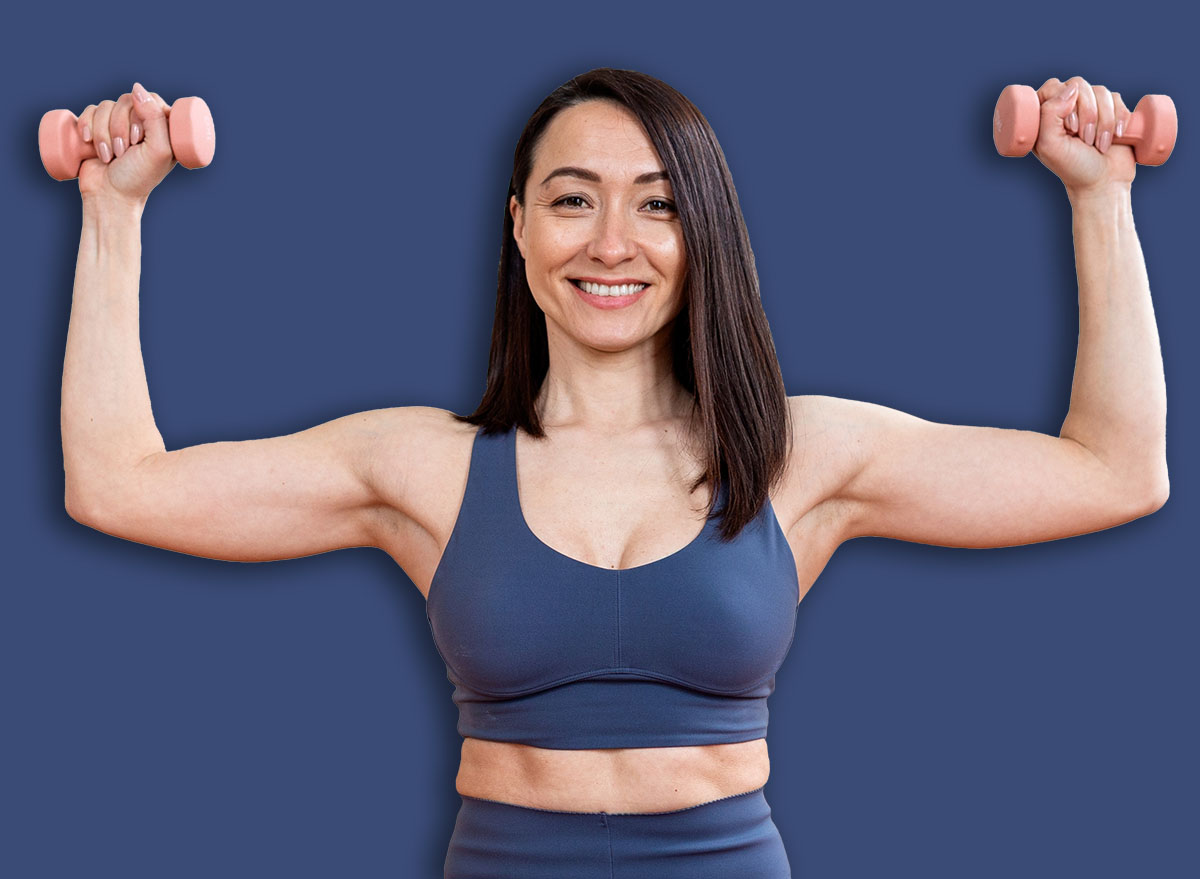

There are many parts of the body that can negatively impact your performance and overall well-being as you age. A prime example is your shoulders. Weak shoulders can compromise your mobility and place you at risk of torn rotator cuffs and arthritis. It’s essential to include just the right exercises in your routine so you can stay in shape and continue to perform everyday tasks with ease.
“For many adults over 60, the goal shifts toward maintaining muscle, mobility, and
independence—not maxing out weights,” explains Corry Matthews, Fitness, Nutrition, Hormone Health Expert, Former Professional Bodybuilder, and the co-founder of Strength & Grace Fitness, where she coaches women—especially throughout perimenopause and menopause on sustainable weight loss and hormone health. “The good news is that shoulder strength can improve significantly with lighter resistance, controlled movement, and consistency. In many cases, gentle strength training performed regularly can be just as effective for improving function and confidence in everyday life.”
A wise approach to take after 60 should emphasize joint-friendly resistance, movement quality, and long-term consistency instead of intensity alone. So, we learned four gentle exercises from the experts that can help build shoulder strength better than heavy lifting after 60.
Resistance Band Pull-Aparts
“This simple exercise strengthens the upper back, rear shoulders, and postural muscles
that support healthy shoulder function,” explains Matthews. “Many adults develop rounded shoulders or upper-body weakness over time. Pull-aparts help improve posture, shoulder stability, and everyday movement without putting excessive stress on the joints.
- Begin by standing tall.
- Hold the resistance band ahead of you with arms fully extended at shoulder height.
- Pull the band apart, stretching your arms laterally while keeping them fully straight.
- Use control to return to the start position.
RELATED: 6 No-Equipment Exercises That Build Shoulder Strength Better Than Weights After 50
Wall Pushups
“Wall pushups are a gentle, joint-friendly way to strengthen the shoulders, chest, arms,
and core,” Matthews says. “They allow older adults to build pressing strength safely while controlling intensity. Because the body angle is more upright than a traditional pushup, there is less pressure on the shoulders and wrists.
- Start standing tall, arms-length away from a wall.
- Place your hands shoulder-width apart on the surface.
- Engage your core and bend your elbows to lower your chest toward the wall.
- Press back up to the starting position, keeping the movement slow and controlled.
Overhead Press With Light Dumbbells
“A controlled overhead press using light resistance can help maintain shoulder strength
and mobility,” Matthews points out. “The key is controlled movement—not heavy loading. This exercise supports functional movements like putting items away, lifting bags, or reaching overhead while improving overall upper-body confidence.”
- Stand tall, holding a lightweight dumbbell in each hand at shoulder level, palms facing inward.
- Press the weights overhead, extending your arms.
- Use control as you lower the weights to shoulder height.
- Perform 3 sets of 10 reps with a weight you can easily work with.
Half-Kneeling Landmine Press
“This movement allows you to put less stress on your spine as you are in a half-kneeling position, and since you’re pressing at an angle, you are training your shoulders without trying to get your arms fully overhead. This makes this a much safer movement for the shoulders and still allows for building strength and muscle,” explains Luka Hocevar, Founder and owner of the Vigor Ground Fitness and Performance in Seattle, WA, who has been a coach for 21 years.
- Start by positioning one end of a barbell in a landmine attachment.
- Assume a half-kneeling position with one knee on the ground and the opposite foot placed in front.
- Hold the end of the barbell at shoulder level with the opposite hand of your front leg.
- Activate your glutes and core and maintain a tall posture.
- Press the barbell up and slightly forward.
- Use control to lower.