If You Can Hold a Squat This Long After 50, Your Leg Strength Is Stronger Than 90% of Peers
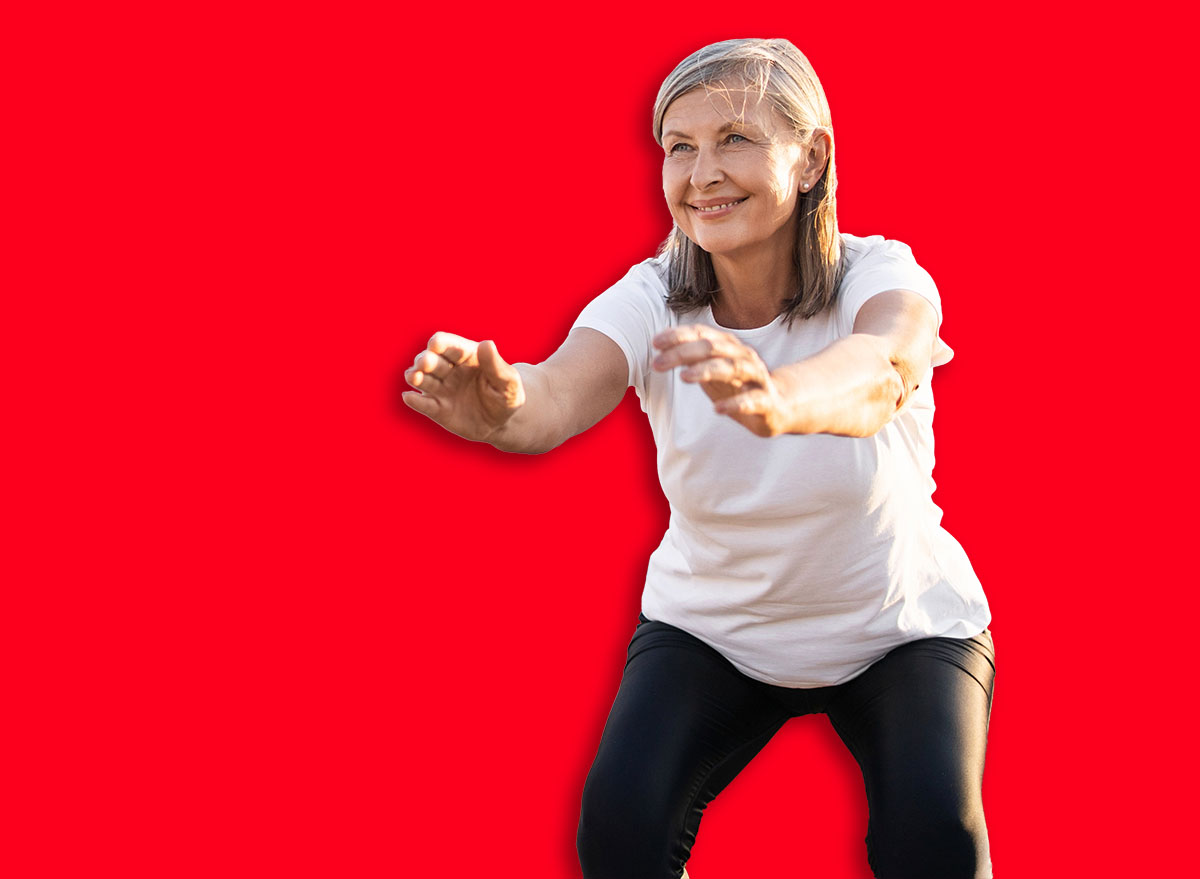

A squat hold looks simple until you sit into it and let the clock run. Your legs start working right away, your hips have to stay open, and your core has to keep your torso from folding forward. After 50, that kind of control says a lot. It shows how well your lower body can create tension, hold its position, and stay steady as the effort builds.
From a coaching standpoint, I like squat holds because they tell you more than a quick set of reps. Regular squats show strength through movement. A squat hold shows whether your legs can stay engaged in a strong position. That matters for real life, where you’re constantly lowering, standing, bracing, stepping, and adjusting without always getting a clean reset between efforts.
The squat hold also gives you a nice blend of strength, mobility, and endurance. Your quads and glutes carry the load, your hips and ankles help you find the position, and your core keeps everything stacked. Since you’re holding still, the muscles stay under tension the entire time. That time under tension builds a deeper kind of lower-body strength, especially when you keep good form.
This test gives you a simple way to check in on how your legs are holding up. You’ll see how long you can maintain a strong squat position without losing depth, posture, or control. Up next, we’ll break down why the squat hold works so well, how to perform it correctly, what your time says about your strength, and how to build stronger legs after 50.
Why Squat Holds Build Serious Leg Strength After 50
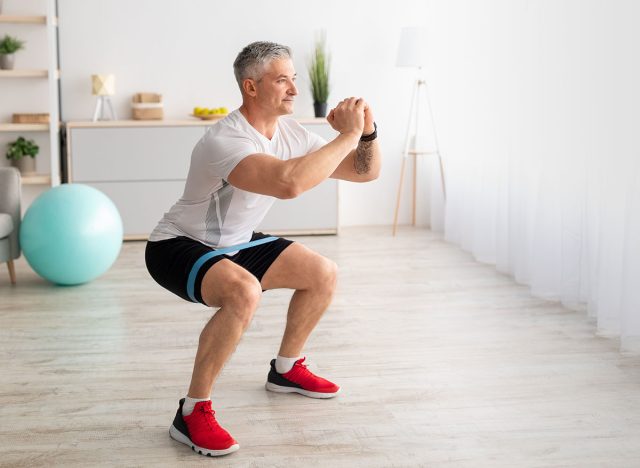
Squat holds help keep your legs strong in a position you use constantly. Sitting down, standing up, picking something up from the floor, and moving up stairs all involve some version of this pattern. Holding the bottom portion of a squat gives your muscles more time to work in a range that tends to matter most for daily movement.
The isometric piece makes this exercise especially useful. Your muscles stay active while your joints remain in one position. That means your quads, glutes, hips, and core have to keep working without help from momentum. More time under tension gives those muscles a reason to adapt, and it builds the staying power that regular reps don’t always capture.
Squat holds can also support better mobility when you use them well. Holding the position gives your hips, knees, and ankles time to settle into the range. You’re teaching your body to feel stronger and more comfortable there, rather than rushing through it. Over time, that can make your squat pattern feel smoother, your stance more stable, and your lower body more confident in deeper positions.
How to Perform a Proper Squat Hold
A strong squat hold starts with a clean setup. You want your feet planted, your torso tall, and your knees tracking well. The goal is to find a depth you can control, then hold that position with steady tension. A squat hold should feel challenging yet still look organized from start to finish.
How to Do It:
- Stand with your feet about shoulder-width apart, and your toes slightly turned out.
- Brace your core by tightening your midsection before lowering.
- Sit your hips back and down while bending your knees.
- Lower until your thighs reach at least parallel or your deepest controlled position.
- Keep your chest tall and your weight balanced through your midfoot and heels.
- Hold the position while breathing steadily and maintaining the same depth.
A quick note on the movement standard. Aim to hold at least parallel, where your thighs line up with the floor. If you’re working toward that range, use a slightly higher position, a box, or a wall for support while your strength and mobility improve.
Best Variations: Wall Sit, Goblet Squat Hold, Box Squat Hold, Heels-Elevated Squat Hold, TRX-Assisted Squat Hold.
Squat Hold Test After 50: What Your Time Means
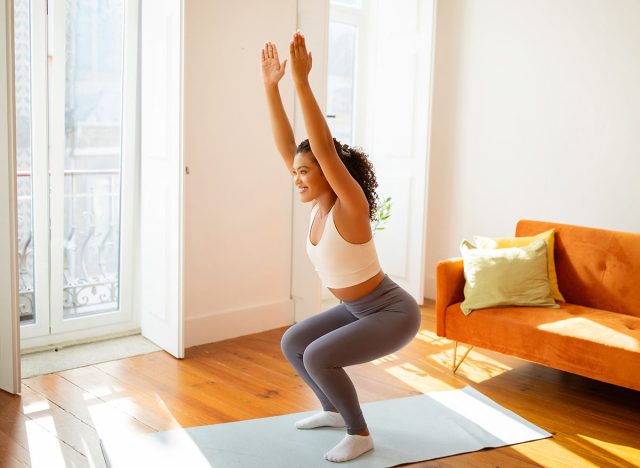
Your time only matters when the position stays consistent. Keep the same depth, posture, and foot pressure from the first second to the last. Once your hips rise, your chest drops, or your weight shifts away from a stable base, record the time you held with clean form.
- Under 20 seconds: You’re building the foundation. Focus on finding a strong position, staying balanced, and getting comfortable under tension.
- 20 to 45 seconds: This is a solid base. Your legs can hold a squat position with good control, and you’re developing the endurance needed for daily movement.
- 45 to 75 seconds: You’re in strong territory. Your quads, glutes, and core can maintain tension while your hips and ankles stay organized.
- 75+ seconds: This is stronger than 90% of peers. Holding this position with steady form shows excellent lower-body strength, muscular endurance, and control after 50.
How to Build a Stronger Squat Hold After 50
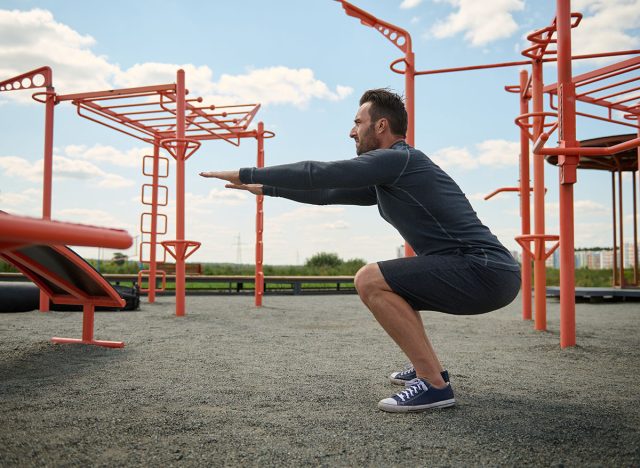
Improving your squat hold comes from building strength you can maintain. The goal is to feel stable in the position, breathe well, and keep your muscles working without rushing to stand up. This is where isometric training shines. You spend more time in the position, your muscles learn to tolerate tension, and your joints gain confidence in the range. Add in smart strength work and a little mobility practice, and the squat hold can improve quickly.
- Practice squat holds regularly: Start with two to three sets a few times per week. Keep each hold clean and controlled.
- Use shorter holds with better form: Sets of 15 to 30 seconds with strong posture build the base for longer holds.
- Add loaded holds when ready: A light goblet squat hold increases the challenge and helps reinforce an upright torso.
- Train full-range squats: Regular squats help build the strength needed to control the hold.
- Strengthen your glutes: Bridges, hip thrusts, and step-ups improve hip control and strengthen squat form.
- Work on ankle and hip mobility: Calf stretches, hip flexor stretches, and controlled squat prying can help you access better depth.
- Use support when needed: Holding a door frame, rack, or suspension trainer lets you practice depth while keeping the movement smooth.
- Retest every few weeks: Use the same depth and setup each time to track real progress.
A squat hold gives you a clear look at leg strength, mobility, and endurance in one simple test. If you can hold a clean squat past 75 seconds after 50, your lower body has serious staying power. That strength carries into the movements you rely on every day, from stairs and chairs to long walks and everything in between.
References
- Hong, Sunghyun et al. “Cardiorespiratory and aerobic demands of squat exercise.” Scientific reports vol. 14,1 18383. 8 Aug. 2024, doi:10.1038/s41598-024-68187-z
- Wei, Wei et al. “Effects of progressive body-weight versus barbell back squat training on strength, hypertrophy and body fat among sedentary young women.” Scientific reports vol. 13,1 13505. 19 Aug. 2023, doi:10.1038/s41598-023-40319-x