If You Can Master These 4 Bodyweight Movements After 50, You’re Stronger Than Most
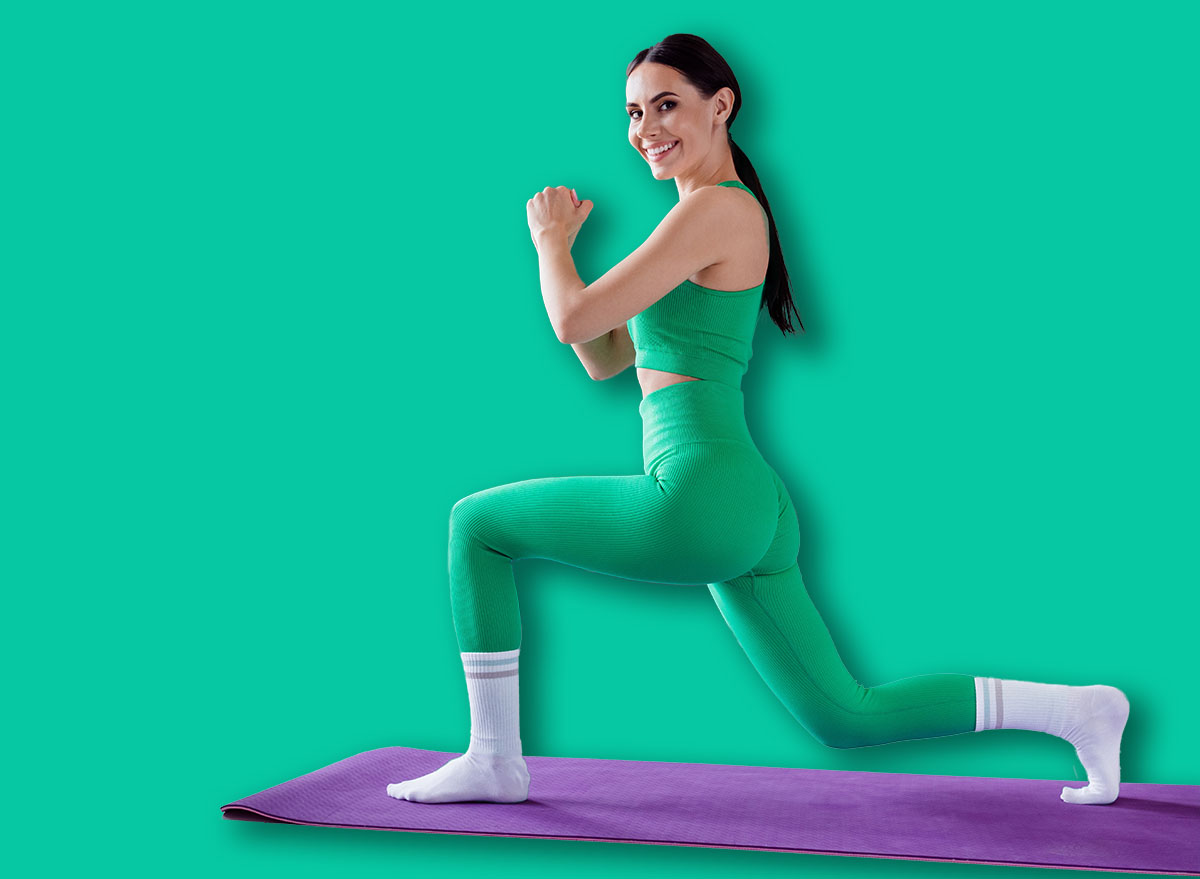

Strength after 50 isn’t built through machines or heavy gym sessions, it’s built through body control, balance, and consistency. Bodyweight training challenges your muscles in the ways that matter most for longevity. Each movement teaches your body how to stabilize, lift, and move powerfully without relying on external weight. The result is real-world strength that shows up in everything from climbing stairs to carrying groceries effortlessly.
As we age, strength fades first in the muscles we don’t use daily, especially in the core, legs, and upper body. Bodyweight exercises restore that foundation by training multiple muscle groups at once. You’re not just working harder, you’re teaching your body to move efficiently again. When done with precision, these movements reignite coordination, protect joints, and keep your body agile no matter your age.
If you can master these four bodyweight exercises, you’re well ahead of the curve. They target strength, balance, and endurance while enhancing your confidence in how your body feels and performs. Think of them as a simple but powerful check-in, each one proving that your strength not only remains intact but continues to grow stronger with every rep.
Push-Up
This timeless move challenges your chest, shoulders, arms, and core all at once. It teaches your body to work as a single unit, building upper-body power and total-body tension. Even modified push-ups build serious strength when you focus on form and full range of motion. Mastering it means you’ve developed true functional strength, the kind that translates to everything from lifting luggage to maintaining posture.
How to Do It:
- Start in a plank position with hands slightly wider than shoulders.
- Keep your body in a straight line from head to heels.
- Lower your chest toward the floor, keeping elbows close to your ribs.
- Press through your palms to return to start.
- Perform 8–12 controlled reps, resting as needed.
Bodyweight Squat
The squat builds the foundation of lower-body power, targeting your quads, glutes, and hamstrings while teaching your body to move with strength and stability. It builds endurance in the muscles you use to rise, sit, and walk every day. Perfecting your squat improves your ability to handle stairs, reduce fall risk, and protect your knees. Done correctly, it shapes lean, powerful legs that hold up for decades.
How to Do It:
- Stand with feet shoulder-width apart and chest tall.
- Push your hips back as if sitting into a chair.
- Lower until your thighs are parallel to the floor, keeping knees behind toes.
- Drive through your heels to stand tall.
- Complete 10–15 reps with full control.
RELATED: 4 Bed Exercises That Flatten Your Lower Belly Faster Than Crunches After 60
Plank Hold
The plank builds deep core strength, the kind that protects your spine and powers every other movement you make. Holding your body steady in a plank forces your abs, shoulders, and glutes to work together under constant tension. It strengthens your midsection from all angles, improving posture and stability. The longer you hold it with perfect form, the more your core learns to support you in motion and stillness.
How to Do It:
- Start on forearms and toes, elbows directly under shoulders.
- Keep your body in a straight line from head to heels.
- Engage your abs, squeeze your glutes, and avoid sagging your hips.
- Hold for 30–60 seconds while breathing steadily.
- Rest and repeat 2–3 rounds.
Reverse Lunge
This movement develops strength, control, and balance, three qualities that define strong legs at any age. Lunging backward targets the glutes, hamstrings, and stabilizers while being gentler on the knees than forward lunges. It builds power for daily movement, improves mobility, and enhances coordination between both sides of the body. If you can perform these with steady control, you’ve built elite lower-body strength.
How to Do It:
- Stand tall with feet hip-width apart and hands on hips.
- Step your right leg back, lowering until both knees form 90-degree angles.
- Press through your front heel to return to standing.
- Alternate sides for 10–12 reps per leg.
- Keep your torso upright and your movements slow and controlled.