5 Bed Exercises That Flatten Apron Belly Faster Than Gym Machines After 55
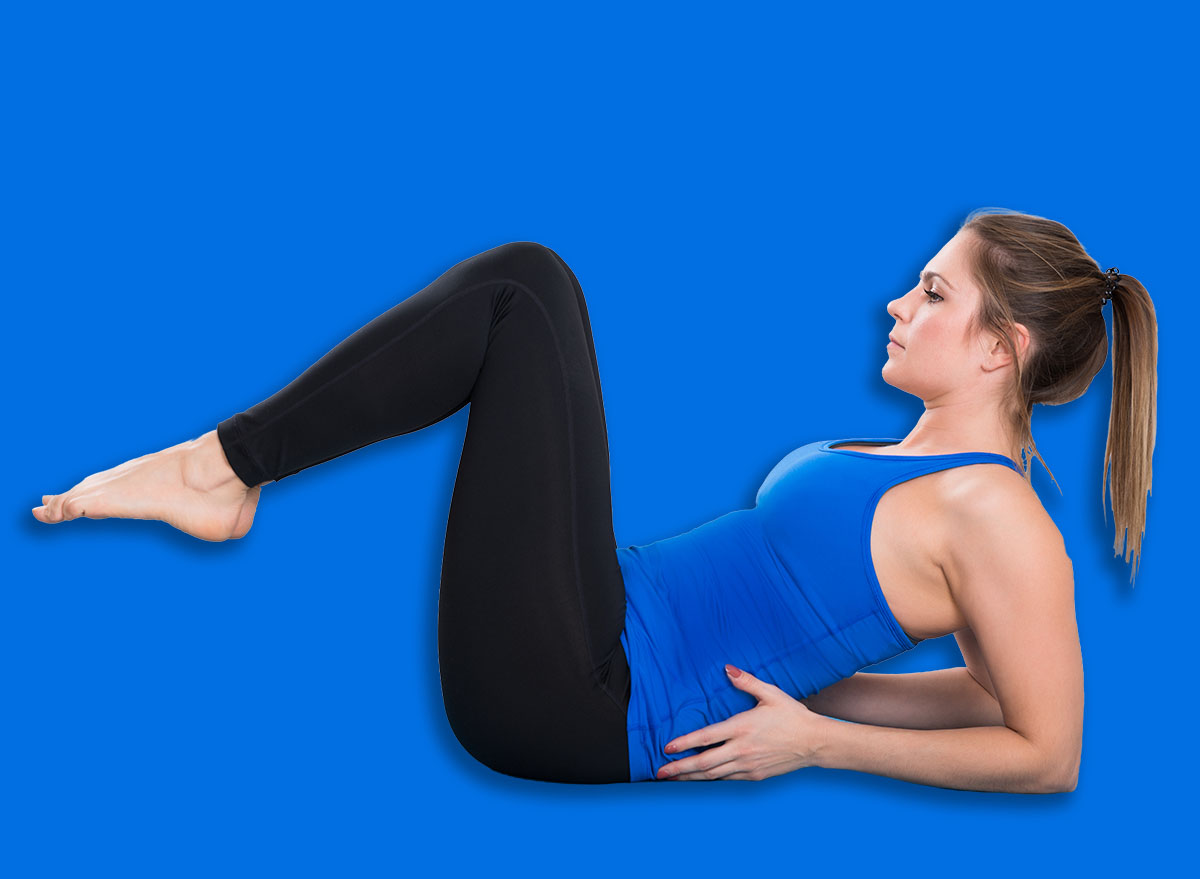

Apron belly after 55 rarely responds to long gym sessions alone. It changes when the deep core muscles start working consistently again, the lower abs that help hold the stomach in. I’ve coached clients in this age group for years, and I’ve seen far better results from simple, controlled movements done daily than from occasional machine-based workouts. Machines often guide the movement for you, but they don’t always force the core to stay fully engaged.
Bed exercises create a completely different challenge. Without external support, your body has to stabilize itself through every inch of the movement. That means the abdominal muscles stay active longer, which leads to better muscle activation and faster tightening through the midsection. On top of that, the bed provides a comfortable, low-impact surface that makes it easier to stay consistent.
Consistency drives everything here. When you train the core daily with slow, controlled reps, you build strength exactly where it’s needed. Over time, the muscles begin to pull inward naturally, which helps flatten the lower belly.
The following bed exercises target the lower abs, deep core stabilizers, and surrounding muscles that support the stomach. Move slowly, stay controlled, and focus on tightening your midsection during every rep.
Lying Knee Tucks
Lying knee tucks directly target the lower abdominal wall, which plays a major role in controlling belly overhang. I use this exercise frequently because it teaches proper core engagement without placing unnecessary stress on the back or hips. Many people think they’re working their abs during similar movements, but without control, the lower abs don’t fully activate. This variation fixes that by slowing everything down.
As you pull your knees toward your chest, the abdominal muscles contract deeply to control the motion. Extending the legs again forces those same muscles to stay engaged instead of relaxing. That constant tension builds strength quickly and improves how the core functions throughout the day. Over time, this helps restore the muscle support needed to flatten the lower belly.
How to Do It
- Lie flat with legs extended
- Pull both knees toward your chest
- Tighten your core at the top
- Extend legs slowly
- Repeat with control.
Heel Slides With Core Brace
Heel slides look simple, but they deliver powerful results when done correctly. I rely on this exercise because it trains the deep stabilizing muscles of the core, the ones responsible for holding the stomach in rather than pushing it outward. Many traditional exercises miss this layer entirely, which slows progress.
Sliding one heel away from the body while keeping the core tight forces the abdominal muscles to stabilize the pelvis. If the core relaxes, the lower back begins to arch, that’s your signal to tighten up again. This constant feedback helps retrain proper engagement patterns. With consistent practice, these deep muscles grow stronger and start supporting the abdomen more effectively.
How to Do It
- Lie on your back with knees bent
- Brace your core firmly
- Slide one heel away slowly
- Pause briefly
- Return and alternate.
Lying Leg Raises With Hold
This exercise strengthens the lower portion of the abdominal wall through controlled lifting and sustained tension. I often include a hold at the top because it forces the muscles to stay fully engaged instead of relying on momentum. That’s where real strength gains happen.
Lifting both legs requires the core to stabilize the pelvis and prevent the lower back from lifting off the bed. Holding that position increases the demand on the lower abs, building endurance and strength at the same time. Over time, this helps tighten the area most responsible for belly overhang and improves overall control through the midsection.
How to Do It
- Lie flat with legs extended
- Lift both legs slightly off the bed
- Hold for 2–3 seconds
- Lower slowly
- Repeat steadily.
Alternating Bed March
The alternating bed march builds coordination and continuous core activation. I use this movement often because it mimics natural leg motion while forcing the core to stay engaged throughout. That combination makes it highly effective for rebuilding strength that carries into everyday movement.
Each time a knee lifts, the abdominal muscles must stabilize the body to prevent shifting or tilting. Performing the movement slowly increases time under tension and improves control. Over time, this strengthens the deep core muscles that support the stomach and helps create a flatter appearance.
How to Do It
- Lie on your back with knees bent
- Lift one knee toward your chest
- Keep your core tight
- Lower slowly
- Alternate legs continuously.
Toe Reach Crunch
The toe reach crunch targets the upper and mid-abdominal muscles while still engaging the lower core for stability. I like using this exercise because it strengthens the entire abdominal wall without requiring a full sit-up, which can strain the neck or back.
Reaching toward your toes creates a strong contraction through the core. Lowering slowly keeps the muscles under tension longer, which improves effectiveness. Over time, this helps tighten the upper portion of the abdomen and supports overall core strength.
How to Do It
- Lie on your back with legs raised
- Reach both hands toward your toes
- Tighten your core at the top
- Lower slowly
- Repeat with control.