5 Bed Exercises That Restore Posture Faster Than Physical Therapy After 60

Posture tends to change gradually over time, often without much notice until stiffness, tightness, or discomfort begins to appear. Hours spent sitting, looking down at screens, or moving less than we used to are the leading culprits for a postural position that doesn’t quite support the spine the way it once did.
When I work with clients who want to improve posture, we don’t jump straight into complicated routines or long sessions. We start by restoring control of the muscles that support the spine. Many of those muscles live in the core, hips, and upper back, and they respond best to slow, intentional movement rather than rushed repetitions. Bed-based exercises are especially useful here because they provide support, reduce strain, and allow you to focus on how each movement feels, often times before your day even begins.
There’s also a big confidence factor that comes into play. When movements feel approachable and comfortable, people are more likely to stick with them. That consistency is what drives change. A short routine performed regularly can help retrain posture, improve alignment, and make standing and moving feel more natural again.
The five exercises below focus on strengthening the muscles that support posture while encouraging the body to move with better alignment. Perform them consistently, and you’ll begin to notice a more upright position, smoother movement, and a body that feels more supported throughout the day.
One quick note before jumping in. This routine is meant to support better movement and posture, not replace professional care. By no means should you stop seeking a physical therapist, and this information is not intended to fill that role. Think of these exercises as a helpful addition to your daily routine that keeps your body moving in the right direction.
Glute Bridge Holds
Glute bridge holds help restore strength in the glutes and hips, which play a major role in supporting proper posture. When the glutes are active, they help position the pelvis correctly, which influences spinal alignment. Holding the top position encourages sustained muscle engagement rather than quick repetitions. This allows the body to build endurance in the muscles that support posture. Over time, stronger glutes contribute to a more stable and upright position.
Muscles Trained: Glutes, hamstrings, and core stabilizers.
How to Do It:
- Lie on your back with your knees bent and your feet flat on the bed.
- Place your arms at your sides for support.
- Press through your heels and lift your hips upward.
- Squeeze your glutes and hold the top position.
- Lower your hips back down with control.
Recommended Sets and Reps: Perform 3 sets of 20 to 30 second holds. Rest for 45 seconds between each set.
Best Variations: Single-leg hold, extended hold, banded hold.
Form Tip: Keep your ribs down and avoid arching your lower back at the top.
Alternating Dead Bugs
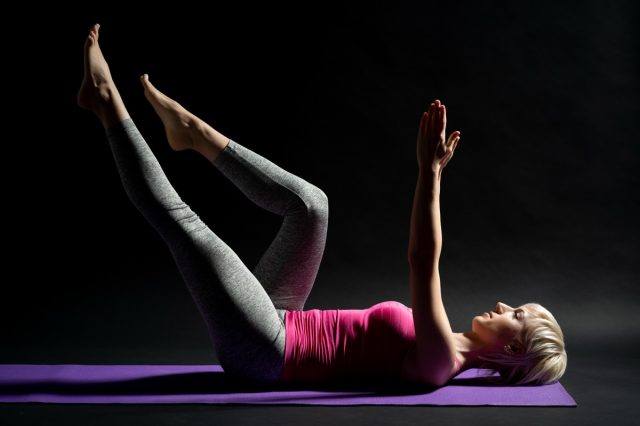
Alternating dead bugs strengthen the deep core muscles that help stabilize the spine. The movement requires the core to stay engaged while the arms and legs move in opposite directions. This coordination helps train the body to maintain alignment during movement. Many people find this exercise improves their awareness of how to control their core. With consistent practice, it supports better posture and spinal stability.
Muscles Trained: Transverse abdominis, rectus abdominis, and hip flexors.
How to Do It:
- Lie on your back with your arms extended toward the ceiling.
- Bring your knees into a tabletop position.
- Brace your core and gently press your lower back into the bed.
- Extend one arm and the opposite leg toward the bed.
- Return to the starting position and alternate sides.
Recommended Sets and Reps: Perform 3 sets of 10 to 12 reps per side. Rest for 45 seconds between each set.
Best Variations: Heel taps, slow tempo dead bugs, pause dead bugs.
Form Tip: Keep your lower back lightly pressed into the bed throughout the movement.
Cat-Cows
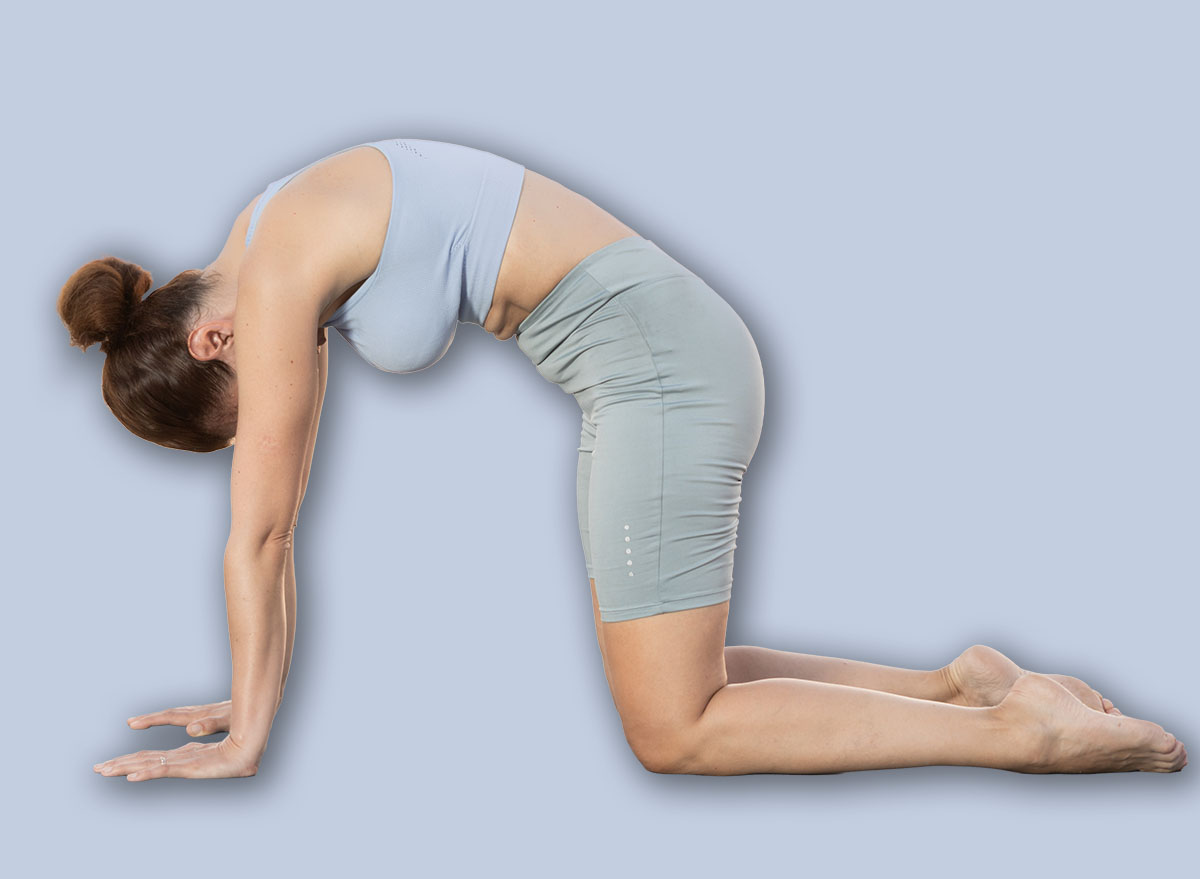
Cat-cows encourage the spine to move through flexion and extension in a controlled way. This movement helps improve spinal mobility while increasing awareness of posture. Many people spend long periods in one position, which can make the spine feel stiff. Moving between these two positions helps loosen the back and promote better alignment. Over time, this exercise supports a more natural and comfortable posture.
Muscles Trained: Spinal stabilizers, core, and upper back muscles.
How to Do It:
- Begin on all fours with your hands under your shoulders and knees under your hips.
- Inhale as you drop your belly and lift your chest.
- Exhale as you round your back and tuck your chin.
- Move slowly between each position.
- Continue for controlled repetitions.
Recommended Sets and Reps: Perform 3 sets of 10 to 12 reps. Rest for 30 seconds between each set.
Best Variations: Slow tempo cat-cow, extended hold cat-cow, segmented cat-cow.
Form Tip: Move slowly and focus on feeling each segment of your spine.
Supine Leg Drops
Supine leg drops challenge the core to stabilize the pelvis while the legs move. Lowering the legs requires the abdominal muscles to control the motion and prevent the lower back from arching. This helps strengthen the muscles that support proper spinal alignment. Many people notice that this exercise quickly engages the lower core. Regular practice contributes to better posture and core control.
Muscles Trained: Lower abdominals, hip flexors, and core stabilizers.
How to Do It:
- Lie on your back with your legs extended toward the ceiling.
- Place your hands at your sides for support.
- Brace your core and press your lower back into the bed.
- Lower one leg toward the bed with control.
- Return to the starting position and alternate legs.
Recommended Sets and Reps: Perform 3 sets of 10 reps per leg. Rest for 45 seconds between each set.
Best Variations: Double leg drop, slow tempo drop, pause drop.
Form Tip: Lower your leg only as far as you can while keeping your lower back stable.
Quadruped Scapula Circles
Quadruped scapula circles target the muscles around the shoulder blades, which are essential for maintaining upright posture. This movement encourages controlled shoulder movement without relying on the arms alone. Many people carry tension in the upper back and shoulders, which can contribute to a rounded posture. This exercise helps improve control and awareness in that area. Over time, it supports better shoulder positioning and upper-body alignment.
Muscles Trained: Upper back, shoulders, and scapular stabilizers.
How to Do It:
- Begin on all fours with your hands under your shoulders.
- Keep your arms straight and your core engaged.
- Slowly move your shoulder blades in a circular motion.
- Complete several circles in one direction.
- Reverse the direction and repeat.
Recommended Sets and Reps: Perform 3 sets of 6 to 8 circles per direction. Rest for 30 seconds between each set.
Best Variations: Slow scapula circles, segmented circles, pause circles.
Form Tip: Keep your arms straight and let the movement come from your shoulder blades.
Daily Strategies to Help Reinforce Better Posture After 60
Improving posture involves more than just a few exercises. It requires consistent movement, awareness, and small adjustments throughout the day. The body adapts to the positions it spends the most time in, which means daily habits play a major role in maintaining alignment.
- Move regularly throughout the day: Frequent movement helps prevent stiffness and encourages better positioning.
- Stay aware of your posture: Sitting and standing tall helps reinforce proper alignment.
- Strengthen supporting muscles: The core, glutes, and upper back all contribute to posture.
- Focus on controlled movement: Slow, intentional exercises improve muscle activation and awareness.
- Stay consistent with your routine: Regular practice allows posture improvements to build over time.
Stick with these strategies and exercises, and your posture will begin to feel more natural, supported, and comfortable as the weeks go on.