5 Doorway Exercises That Firm Belly Overhang Faster Than Gym Workouts After 60
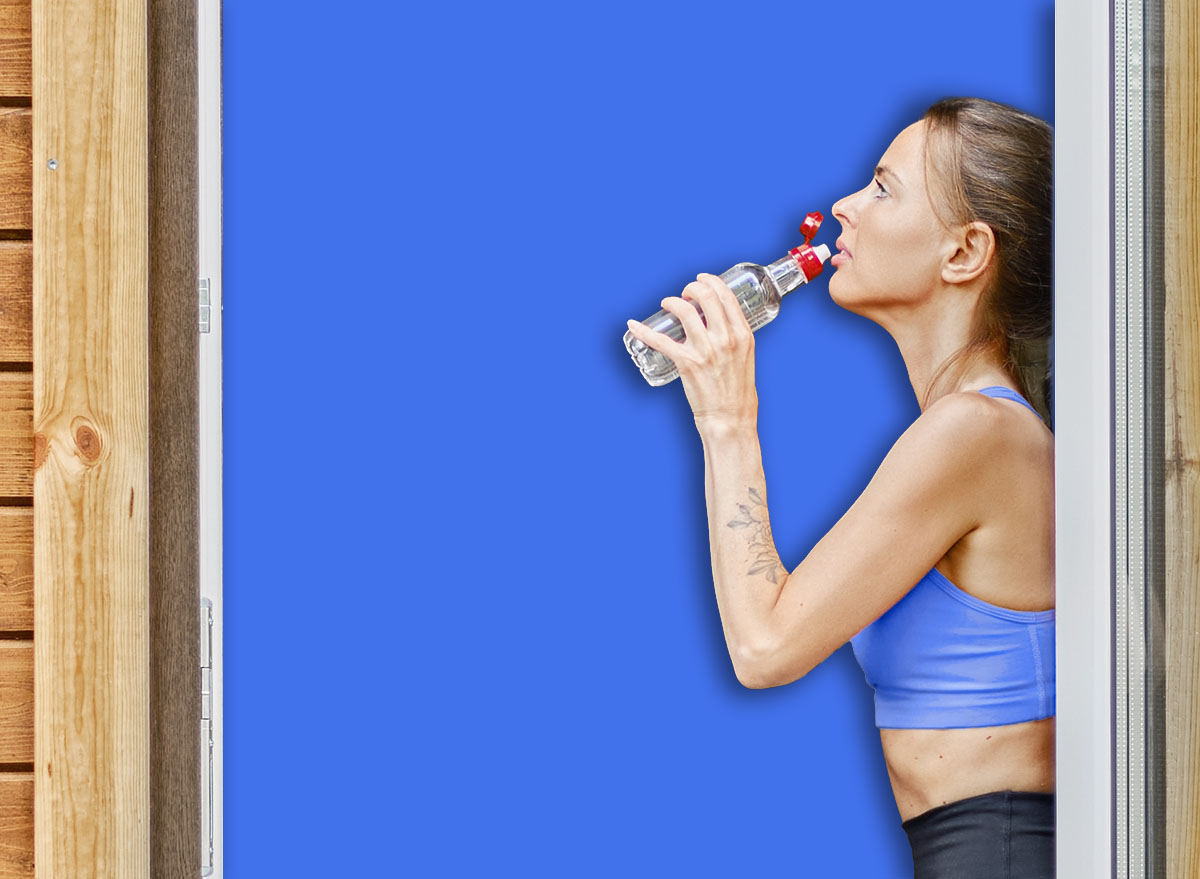
A doorway provides something most home workouts lack: a sturdy place to steady yourself while the rest of your body works. That support can change the whole feel of a session. You can move with more confidence, pick up the pace a little, and challenge larger muscle groups without making balance the main event.
For belly-overhang goals, the workout needs to do more than chase a burn through the abs. The better plan is to bring more of the body into the session and make the movements repeatable. A doorway helps with that by giving your hands a reliable place to hold while your legs, upper body, and core handle the effort.
I use this kind of setup when clients need a workout that feels practical right away. The doorway becomes a guide. It helps them control depth on a squat, stay tall through a lunge, and move through faster intervals without feeling scattered. Once the movement looks clean, progress can come from adding reps, extending the work time, or using less support.
This routine keeps you standing, moving, and working through your whole body. Use a sturdy doorway, grip the frame lightly, and keep each exercise controlled enough that you can repeat the circuit two to four times per week.
Doorway-Supported Squat to Knee Drive
The doorway-supported squat-to-knee drive turns a basic squat into a stronger, full-body movement. Your legs do the heavy work as you lower and stand, while the knee drive adds balance, core control, and a little more pace. Holding the doorway gives you just enough support to move with confidence. Keep the squat smooth and finish each rep tall before lifting the knee.
Muscles Trained: Quadriceps, glutes, hamstrings, hip flexors, calves, core.
How to Do It:
- Stand in the doorway and hold both sides of the frame lightly.
- Set your feet about shoulder-width apart.
- Brace your core and lower into a squat you can control.
- Press through your feet to stand tall.
- Drive one knee toward hip height.
- Lower your foot, squat again, and alternate sides.
Recommended Sets and Reps: Perform 3 sets of 8 to 10 reps per side. Rest for 45 to 60 seconds between sets.
Best Variations: Standard doorway squats, smaller knee drives, slow-tempo squat-to-knee drives.
Form Tip: Use the doorway for balance, but let your legs create the lift.
Doorway Push-Up
Doorway push-ups train your chest, shoulders, triceps, and core from a standing angle. The doorway lets you work your upper body without getting down to the floor, making the movement easier to scale. Step farther back to increase the challenge, or stay closer for more control. Keep your body long and press through both hands evenly.
Muscles Trained: Chest, shoulders, triceps, core.
How to Do It:
- Stand facing a doorway.
- Place your hands on the sides of the frame at chest height.
- Step your feet back until your body forms a straight line.
- Brace your core and lightly squeeze your glutes.
- Bend your elbows and lower your chest toward the doorway.
- Press through your hands to return to the starting position.
Recommended Sets and Reps: Perform 3 sets of 8 to 12 reps. Rest for 45 to 60 seconds between sets.
Best Variations: Wall push-ups, closer-stance doorway push-ups, slow-tempo doorway push-ups.
Form Tip: Keep your elbows angled slightly back and move your body as one piece.
Doorway-Supported Reverse Lunge
Doorway-supported reverse lunges build lower-body strength one leg at a time. The doorway provides a steady handhold, helping you focus on the front leg doing the work. This move targets the thighs, glutes, calves, and core while keeping the movement low-impact. Start with a short step back and build range as the rep feels stronger.
Muscles Trained: Quadriceps, glutes, hamstrings, calves, core.
How to Do It:
- Stand in the doorway and hold both sides of the frame lightly.
- Set your feet hip-width apart.
- Step one foot back into a reverse lunge.
- Lower your back knee toward the floor with control.
- Press through your front foot to stand.
- Complete all reps, then switch sides.
Recommended Sets and Reps: Perform 3 sets of 8 to 10 reps per side. Rest for 45 to 60 seconds between sets.
Best Variations: Short-range reverse lunges, split squats, slow-tempo reverse lunges.
Form Tip: Keep your front heel grounded and avoid pulling yourself up with your arms.
Doorway March Intervals
Doorway march intervals raise your heart rate while training your hips, thighs, calves, and core. The doorway provides support so you can move at a faster pace without compromising your posture. This exercise works well as the conditioning piece of the circuit because it keeps you upright and active. Drive the knees with purpose and keep your footfalls light.
Muscles Trained: Hip flexors, quadriceps, glutes, calves, core.
How to Do It:
- Stand in the doorway and hold the frame lightly.
- Brace your core and stand tall.
- Lift your right knee toward hip height.
- Lower it and immediately lift your left knee.
- Continue alternating sides at a brisk, controlled pace.
- Keep your chest lifted for the full interval.
Recommended Sets and Reps: Perform 3 sets of 20 to 30 seconds. Rest for 30 to 45 seconds between sets.
Best Variations: Slower marches, pause marches, high-knee marches.
Form Tip: Stay tall as your knees lift, rather than leaning backward.
Doorway Side-Step Squat
The doorway side-step squat trains your thighs, glutes, outer hips, and core while adding side-to-side movement. That lateral pattern adds variety to the workout and helps your hips move in directions they may not get from walking alone. The doorway keeps you steady as you step, squat, and return to the middle. Move with a smooth rhythm and keep both feet planted during the squat.
Muscles Trained: Glutes, quadriceps, hamstrings, outer hips, core.
How to Do It:
- Stand in the doorway and hold both sides of the frame lightly.
- Step your right foot out to the side.
- Lower into a small squat with control.
- Press through your feet to stand.
- Bring your right foot back to center.
- Repeat on the left side and continue alternating.
Recommended Sets and Reps: Perform 3 sets of 8 to 10 reps per side. Rest for 45 to 60 seconds between sets.
Best Variations: Smaller side steps, bodyweight lateral squats, slow-tempo side-step squats.
Form Tip: Keep your knees tracking with your toes as you lower.
How to Use Doorway Exercises for a Firmer Midsection After 60
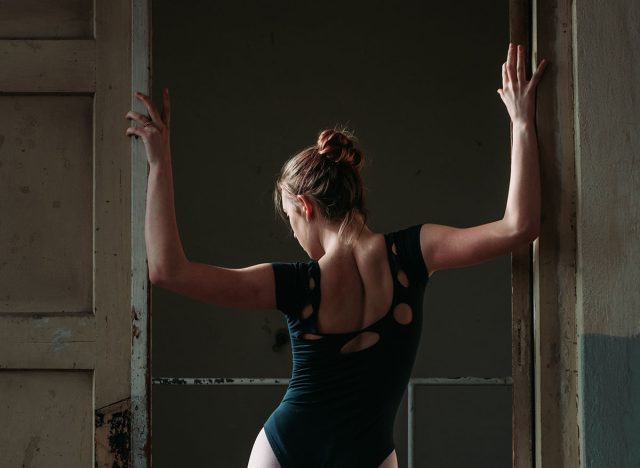
Use these exercises as a standing circuit. Complete one set of each move in order, rest for 60 to 90 seconds after the side-step squats, then repeat for two to three total rounds.
- Keep the support light: The doorway should help you stay balanced while your legs, arms, and core do the work.
- Move with purpose: Controlled reps build strength, while the march intervals add pace, helping the workout feel more metabolic.
- Start with two rounds: Add a third round once you can finish the circuit with steady breathing and clean movement.
- Use small progressions: Add a few reps, extend the march interval, slow the lowering phase, or reduce your reliance on the doorway.
- Support the routine outside the workout: Regular walking, active days, protein-rich meals, hydration, and consistent sleep all help body-composition changes show up more clearly.
A doorway can turn a small space into a useful training station. Use it for support, bring your whole body into the work, and let consistent circuits help build the strength and activity that support a firmer midsection.
References
- Hidayat, Rahmat et al. “Enhancing physical fitness in older adults: a six-month medium intensity training intervention yields significant improvements.” BMC sports science, medicine & rehabilitation vol. 17,1 338. 17 Nov. 2025, doi:10.1186/s13102-025-01401-1
- Kolnes, Kristoffer Jensen et al. “Effect of Exercise Training on Fat Loss-Energetic Perspectives and the Role of Improved Adipose Tissue Function and Body Fat Distribution.” Frontiers in physiology vol. 12 737709. 24 Sep. 2021, doi:10.3389/fphys.2021.737709