6 Daily Exercises To Shrink Hanging Belly Fat Better Than Gym Sessions After 60
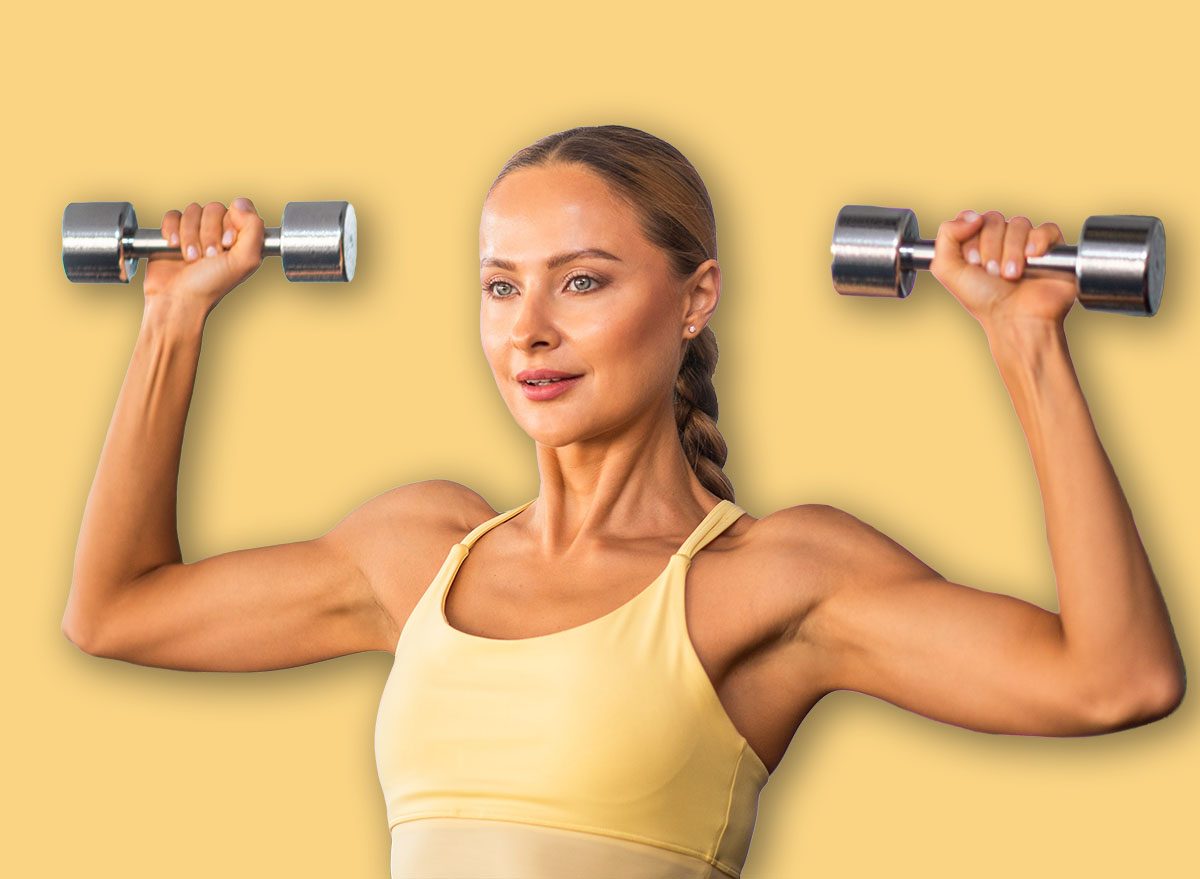

Hanging belly fat is a common term for the softer skin and fat that settles around the lower abdomen. The real goal is to improve body composition while strengthening and better supporting your midsection. After 60, that usually takes a mix of strength training, daily movement, core work, and repeatable effort rather than relying only on occasional long workouts.
Daily exercises can work so well because they keep the signal consistent. Your body gets more chances to move, brace, build muscle, and burn energy across the week. A gym session can be helpful, but a short routine you can repeat at home often gives you more total momentum.
The exercises here use bigger movement patterns, standing core work, and low-impact conditioning. That combination matters because your abs help control movement, but your legs, hips, shoulders, and back produce a greater training effect. More working muscle means more effort, and more effort supports the fat-loss habits that help change the waistline.
The coaching priority is simple: make each rep crisp, keep your posture strong, and finish with enough effort to feel like you trained. You should feel your core working, as well as your legs, glutes, shoulders, and arms. That’s what turns a short daily session into something productive.
Dumbbell Squat to Press
The dumbbell squat-to-press trains your legs, glutes, shoulders, triceps, and core in a single full-body movement. Squatting engages the large lower-body muscles, and the overhead press builds upper-body strength, while your abs brace to keep your torso steady. This exercise supports belly-fat goals by engaging multiple muscles at once and increasing the overall effort of the session. Start with light dumbbells and move with control.
Muscles Trained: Quadriceps, glutes, hamstrings, shoulders, triceps, core.
How to Do It:
- Stand with your feet shoulder-width apart and hold the dumbbells at shoulder height.
- Brace your core and keep your chest lifted.
- Bend your knees and lower into a squat.
- Press through your feet to stand tall.
- Press the dumbbells overhead as you reach the top.
- Lower the dumbbells back to your shoulders and repeat.
Recommended Sets and Reps: Perform 3 sets of 8 to 10 reps. Rest for 60 seconds between each set.
Best Variations: Bodyweight squats, goblet squats, dumbbell shoulder presses, lighter squat-to-press reps.
Form Tip: Stand fully before pressing overhead to keep the movement smooth and controlled.
Standing Cross-Body Knee Drives
Standing cross-body knee drives train your abs, obliques, hip flexors, and balance. Each rep asks your core to pull the knee across your body while your standing leg keeps you stable. This gives your midsection direct work without needing to get on the floor. Keep the rhythm steady and make the movement come from your core and hips rather than swinging your leg.
Muscles Trained: Abs, obliques, hip flexors, glutes, core.
How to Do It:
- Stand tall with your feet hip-width apart.
- Place your hands lightly behind your head or in front of your chest.
- Brace your core and shift your weight onto one foot.
- Drive one knee up and across your body.
- Return your foot to the floor with control.
- Alternate sides for the full set.
Recommended Sets and Reps: Perform 3 sets of 10 to 12 reps per side. Rest for 30 to 45 seconds between each set.
Best Variations: Slower knee drives, supported knee drives, standing marches, faster knee drives.
Form Tip: Keep your chest tall and rotate through your midsection with control.
Low-Impact Skater Steps
Low-impact skater steps train your glutes, hips, thighs, calves, and core while adding a conditioning element. The side-to-side movement wakes up the outer hips and gets your heart rate moving without jumping. This makes it a strong daily option after 60 because it builds athletic movement, balance, and calorie-burning effort in a joint-friendly way. Step wide, land softly, and keep the pace smooth.
Muscles Trained: Glutes, quadriceps, hamstrings, calves, outer hips, core.
How to Do It:
- Stand tall with your feet hip-width apart.
- Brace your core and step your right foot out to the side.
- Sweep your left foot behind you as you bend your right knee slightly.
- Push through your right foot and step to the left.
- Sweep your right foot behind you.
- Continue moving side to side with control.
Recommended Sets and Reps: Perform 3 sets of 20 to 30 seconds. Rest for 30 to 45 seconds between each set.
Best Variations: Smaller side steps, faster skater steps, skater steps with a reach.
Form Tip: Keep your knees soft and stay light on your feet.
Band Pallof Press With March
The band Pallof press with march trains your abs, obliques, hips, and deep core. The band tries to pull you into rotation, and your midsection works to stay steady while your knees lift one at a time. This exercise is excellent for building core support because it trains your abs to resist movement while your legs move. That bracing strength carries over to walking, lifting, carrying, and standing tall.
Muscles Trained: Abs, obliques, deep core, hip flexors, glutes.
How to Do It:
- Anchor a resistance band at chest height.
- Stand sideways to the anchor and hold the band at your chest.
- Step away until the band has light tension.
- Press your hands straight out in front of your chest.
- Brace your core and march one knee up.
- Lower your foot, alternate legs, then switch sides.
Recommended Sets and Reps: Perform 3 sets of 8 to 10 marches per side. Rest for 45 seconds between each set.
Best Variations: Standard Pallof press, Pallof press hold, supported Pallof march.
Form Tip: Keep your hands centered and resist the band’s pull that would pull your torso to the side.
Dumbbell Woodchop to Reach
The dumbbell woodchop to reach trains your obliques, abs, shoulders, hips, and legs. The diagonal pattern helps your core rotate and control movement, while your legs help create a strong base. This gives your midsection a more athletic challenge than basic seated twists. Use a light dumbbell, move through a comfortable range, and keep the rep smooth from low to high.
Muscles Trained: Obliques, abs, shoulders, glutes, hips, legs.
How to Do It:
- Stand with your feet shoulder-width apart and hold one light dumbbell with both hands.
- Brace your core and lower the dumbbell toward the outside of one thigh.
- Bend your knees slightly as you reach down.
- Stand tall and guide the dumbbell diagonally across your body.
- Finish with the dumbbell near the opposite shoulder.
- Complete all reps, then switch sides.
Recommended Sets and Reps: Perform 3 sets of 8 to 10 reps per side. Rest for 45 seconds between each set.
Best Variations: Bodyweight woodchops, band woodchops, smaller-range woodchops.
Form Tip: Rotate through your torso and hips while keeping the weight light enough to control.
Farmer March in Place
The farmer march trains your grip, shoulders, upper back, core, hips, and legs. Holding weights at your sides engages your postural muscles, and marching adds a steady core-and-balance challenge. This exercise supports belly-fat goals by combining loaded strength work with controlled movement and a higher heart rate. Use dumbbells, kettlebells, or loaded bags you can hold safely.
Muscles Trained: Core, grip, shoulders, upper back, hip flexors, glutes, legs.
How to Do It:
- Stand tall with a dumbbell or kettlebell in each hand.
- Brace your core and keep your shoulders level.
- Lift one knee to hip height or as high as you can control.
- Lower your foot with control.
- March with the opposite leg.
- Continue alternating while maintaining a tall posture.
Recommended Sets and Reps: Perform 3 sets of 20 to 40 seconds. Rest for 45 to 60 seconds between each set.
Best Variations: Bodyweight marches, suitcase marches, lighter farmer marches, slow marching holds.
Form Tip: Walk your knees up without leaning back or letting the weights pull your shoulders down.
How to Shrink Hanging Belly Fat With Daily Exercise
Shrinking hanging belly fat requires a plan that supports overall fat loss while strengthening your midsection. These exercises help because they engage large muscle groups, train your core from multiple angles, and provide daily movement you can repeat without a complicated setup.
- Train more than your abs: Full-body moves like squat-to-press, skater steps, and farmer marches engage larger muscles. That creates a stronger training effect than small core-only work.
- Brace during every rep: Your core should stay active during presses, marches, woodchops, and knee drives. Better bracing helps your midsection feel stronger and more supported.
- Keep the routine daily but manageable: Perform all six exercises in a longer session, or choose three on busier days. Consistency matters more than making every workout long.
- Use a circuit for more calorie burn: Move from one exercise to the next with 30 to 45 seconds of rest between exercises. Complete 2 to 4 rounds to raise your heart rate while still building strength.
- Pair exercise with daily steps and protein: Walking, protein-focused meals, hydration, and steady portions help the training show up through better body composition.
A smaller waistline after 60 comes from repeatable action. Train your body with strength, move your core in multiple directions, and keep the daily effort realistic enough to repeat. Over time, those small sessions can create a visible and useful change.
References
- Holmes CJ, Racette SB. The Utility of Body Composition Assessment in Nutrition and Clinical Practice: An Overview of Current Methodology. Nutrients. 2021 Jul 22;13(8):2493. doi: 10.3390/nu13082493. PMID: 34444653; PMCID: PMC8399582.
- Schumacher LM, Kalala S, Thomas JG, Raynor HA, Rhodes RE, Bond DS. Consistent exercise timing as a strategy to increase physical activity: A feasibility study. Transl J Am Coll Sports Med. 2023 Spring;8(2):e000227. doi: 10.1249/tjx.0000000000000227. Epub 2023 Apr 5. PMID: 38107165; PMCID: PMC10722958.