I’m a Trainer and These 6 Stretches Are Non-Negotiable for Everyone Over 60
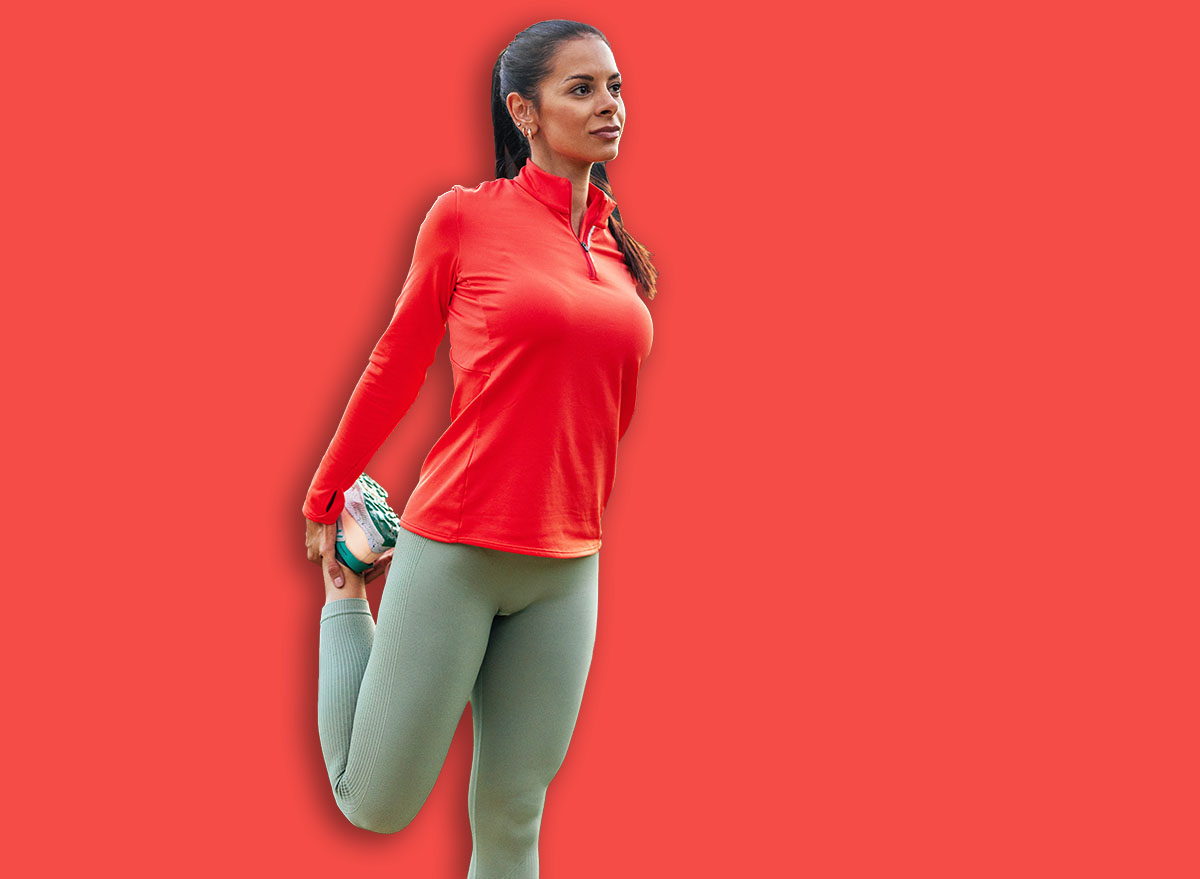

Stretching is the aspect of fitness most people over 60 drop, usually because it feels less productive than walking or strength work. That’s a mistake. I’ve been a personal trainer for almost 40 years and have spent the last 20 training the next generation of fitness professionals at TRAINFITNESS, the UK’s leading provider of personal training courses. Six well-chosen stretches, done a few times a week, can give you back the range of motion that makes everyday life feel easier and a great deal safer.
What I See Most Often

The same three or four issues come up almost every time. Tight hip flexors from years of sitting, which pull people into a slightly hunched posture and shorten their stride. Stiff shoulders that make it hard to reach overhead or behind the back without compensating with the lower back. Poor ankle mobility, which is one of the biggest hidden factors in balance problems. And tight hamstrings that make bending forward feel like a workout in itself.
The other thing I see constantly is people stretching in ways that don’t help them. Bouncing in and out of a position, holding the breath, pushing into sharp pain rather than a steady pull. Or stretching only what already feels tight while ignoring the bits that are limiting them.
Why Flexibility Matters After 60
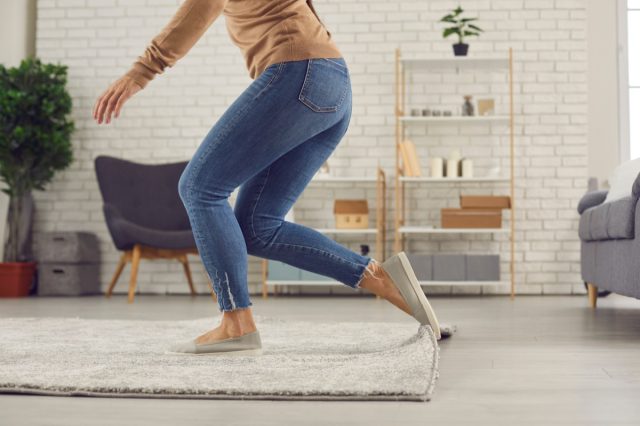
Almost every balance recovery you make in real life depends on how far your joints can move at speed. If you trip on a paving slab, the body needs your ankles, hips and shoulders to react quickly through their full range. Stiff ankles in particular are a huge problem. If you can’t shift your weight forward over your foot, you can’t catch yourself when you stumble; you just go over. Tight hips shorten your stride and make people shuffle, which is one of the biggest predictors of falls in older adults.
Tight shoulders make reaching for the banister or a worktop slower and less reliable. Flexibility on its own won’t prevent every fall, but the combination of mobile joints and stronger legs is what gives you a fighting chance to stay upright when something goes wrong.
Standing Calf Stretch
Ankle mobility is one of the biggest factors in balance and a normal walking gait. Lose it and you lose your ability to catch yourself when you stumble.
Muscles Trained: Calves and ankles
How to Do It:
- Stand facing a wall with your hands at shoulder height
- Step one foot back and keep the back leg straight with the heel firmly on the floor
- Bend the front knee and lean gently into the wall until you feel a steady pull in the back calf
- Hold for 30 seconds, then swap sides
Avoid These Mistakes:
- Don’t lift the back heel off the floor, which removes the stretch
- Don’t lean so far forward that the back knee bends
- Don’t bounce in and out of the position.
Half-Kneeling Hip Flexor Stretch
This loosens the front of the hip so you stand taller and walk with a longer stride. Tight hip flexors are behind a huge amount of lower back ache in older adults.
Muscles Trained: Hip flexors
How to Do It:
- Kneel on one knee with the other foot flat on the floor in front of you, knee at roughly 90 degrees
- Place a folded towel under the kneeling knee for comfort
- Tuck the pelvis under and squeeze the back glute
- Gently shift your weight forward until you feel a pull in the front of the back hip
- Hold for 30 seconds and swap sides
Avoid These Mistakes:
- Don’t arch the lower back instead of tucking the pelvis, which puts the stretch into the spine rather than the hip
- Don’t lean so far forward that you lose balance
- Don’t forget to squeeze the back glute, which is what protects the lower back.
Doorway Chest Stretch
This counters the rounded posture most of us develop from years of sitting and looking at screens. Without this one, reaching overhead becomes a strain.
Muscles Trained: Chest and front of the shoulders
How to Do It:
- Stand in a doorway and place your forearms on the door frame with elbows at about shoulder height
- Step one foot through the doorway
- Let your chest move forward gently until you feel a stretch across the front of the chest and shoulders
- Hold for 30 seconds
Avoid These Mistakes:
- Don’t push too far and strain the shoulder joint
- Don’t arch the lower back to fake more range
- Don’t set the elbows too high, which moves the stretch into the neck.
Seated Hamstring Stretch
This helps with bending forward, picking things up off the floor, and getting in and out of cars without grunting.
Muscles Trained: Hamstrings
How to Do It:
- Sit on the edge of a sturdy chair
- Straighten one leg out in front with the heel on the floor and toes pointing up
- Keep the back straight, place your hands on the bent thigh for support
- Tip forward from the hips, not the spine, until you feel a strong but tolerable pull behind the straight leg
- Hold for 30 seconds, then swap
Avoid These Mistakes:
- Don’t round the back to reach further, which stretches the spine rather than the hamstrings
- Don’t lock the bent knee
- Don’t hold your breath, which always tightens the muscle you’re trying to lengthen.
Seated Thoracic Rotation
This restores the ability to turn and look behind you, which matters for driving, reversing the car, putting on a seatbelt, and avoiding shoulder strain when reaching across the body.
Muscles Trained: Mid-back
How to Do It:
- Sit tall in a sturdy chair with feet flat on the floor
- Cross your arms over your chest
- Slowly turn your upper body to the right, leading with the chest, not the head
- Pause at the end of your range
- Return to center and repeat on the other side
- Do five rotations on each side
Avoid These Mistakes:
- Don’t turn the head and shoulders without actually rotating the spine
- Don’t let the knees swing round, which takes the work out of the mid-back
- Don’t rush the movement, which means you never reach the end of range.
Standing Quad Stretch With Chair Support
This helps with stair climbing, kneeling, and getting up off the floor. Tight quads also pull on the kneecap, which is a common cause of knee niggles in older adults.
Muscles Trained: Front of the thigh
How to Do It:
- Stand behind a sturdy chair and rest one hand on the back of it for balance
- Bend the opposite knee and bring the heel up towards your bottom
- Take hold of the ankle, or the trouser leg if you can’t reach the ankle
- Keep the knees close together and the pelvis tucked under
- Hold for 30 seconds and swap
Avoid These Mistakes:
- Don’t pull the foot out to the side, which strains the knee
- Don’t arch the lower back rather than tucking the pelvis
- Don’t skip the balance support and turn the stretch into a wobble.
How This Pays Off Daily

Every one of them has a direct payoff in something you do every day. The calf stretch makes walking feel smoother and helps when you catch a toe on a kerb. The hip flexor stretch lets you stand taller, which makes getting out of a chair noticeably easier because you’re not fighting against tight hips every time you stand. The doorway chest stretch puts you in a position where reaching overhead, into a kitchen cupboard for example, stops being an effort and stops causing the little twinges in the shoulder so many older clients put up with.
Hamstring flexibility makes bending down to put on shoes or pick up a grandchild’s toy feel less like a maneuver. Thoracic rotation is the one most people don’t appreciate until they get it back. Reversing the car, turning to look at someone next to you on the bus, putting on a seatbelt. All of it gets easier. And the quad stretch helps with stairs, particularly coming down, when the front of the thigh is doing most of the work.
How Often to Stretch
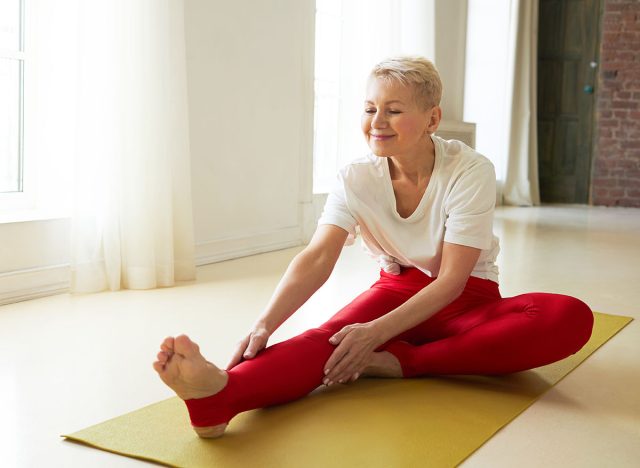
Five times a week is the realistic minimum to see change. Daily is better, and it doesn’t have to be in one long session. Two short blocks of about ten minutes work very well, and people stick to them, which matters more than anything else.
The best time of day is whenever you’ll actually do them, but a couple of guidelines help. Don’t do deep static stretching first thing in the morning before you’ve moved around at all. The body is stiff, and you’ll get less out of it. A short walk first, even just round the kitchen for a few minutes, makes a real difference.
Stretching in the evening, particularly before bed, often feels best and can help with sleep quality. If you’re stretching after a walk or a strength session, the tissues are already warm, so that’s an ideal window.
What Results to Expect
Within a fortnight, most people notice things feel a bit easier. Getting out of a chair, putting socks on, turning to look behind in the car. Within six weeks, if you’ve stayed consistent, the change is significant enough that family members tend to comment on it. By three months, the difference can be quite dramatic, particularly in posture and stride length.
The flip side is that flexibility is lost almost as quickly as it’s gained. Stop for a month, and you’ll feel it. This isn’t a six-week program that finishes. It’s something you do for the rest of your life, in the same way you brush your teeth.
Working Around Arthritis or Injury

All three are reasons to modify, not to avoid stretching altogether. With arthritis, the rule is gentle, frequent, and never pushing into sharp pain. A steady pull is fine; a sharp catch is not. Warm joints respond much better than cold ones, so a warm shower or a few minutes of walking first makes a real difference.
For stiff joints, reduce the range and hold for less time, perhaps fifteen seconds rather than thirty, and build up gradually over weeks.
Old injuries usually need specific advice, particularly anything involving the spine, knees or shoulders. The general principle is to avoid the position that originally caused the injury but to stretch around it. If you’ve had a hip replacement, for instance, certain ranges are out of bounds and your surgeon will have told you which. Stick to those instructions.
When to Check With a Doctor

If you have any heart condition, recent surgery, unmanaged blood pressure, severe osteoporosis, or have had a fall recently that hasn’t been investigated, talk to your GP before you start. Anyone with a diagnosed joint condition should also check, particularly if they’ve been told to avoid certain movements.
The warning signs to stop are clear:
- Sharp pain rather than a steady pull
- Pain that lingers for more than an hour or two after stretching
- Numbness or tingling, particularly down a limb
- Dizziness, especially when changing positions
Any of these is a reason to stop that stretch and get it looked at before continuing.